Analysis of "从军行·青海长云暗雪山" - Classical Chinese Poetry
Introduction
The poem 从军行·青海长云暗雪山 (Cóng Jūn Xíng: Qīng Hǎi Cháng Yún Àn Xuě Shān) is one of the most famous works by Wang Changling (王昌龄, 698–756), a renowned poet of the Tang Dynasty. Known for his mastery of the jueju (绝句, quatrain) form, Wang often wrote about frontier life and the hardships of soldiers, blending vivid imagery with deep emotional resonance.
This poem is part of a series titled 从军行 (Cóng Jūn Xíng, "Joining the Army"), which reflects the realities of military service during the Tang Dynasty. It captures the desolation of the frontier, the bravery of soldiers, and the unyielding spirit of patriotism—a recurring theme in Tang poetry.
The Poem: Full Text and Translation
青海长云暗雪山
Qīng Hǎi cháng yún àn xuě shān
Over Qinghai Lake, long clouds darken the snow-capped mountains,孤城遥望玉门关
Gū chéng yáo wàng Yùmén Guān
A lone fortress gazes afar toward the Jade Gate Pass.黄沙百战穿金甲
Huáng shā bǎi zhàn chuān jīn jiǎ
In yellow sands, a hundred battles wear through golden armor,不破楼兰终不还
Bù pò Lóulán zhōng bù huán
We will not return until we crush the Loulan foe.
Line-by-Line Analysis
Line 1: "青海长云暗雪山"
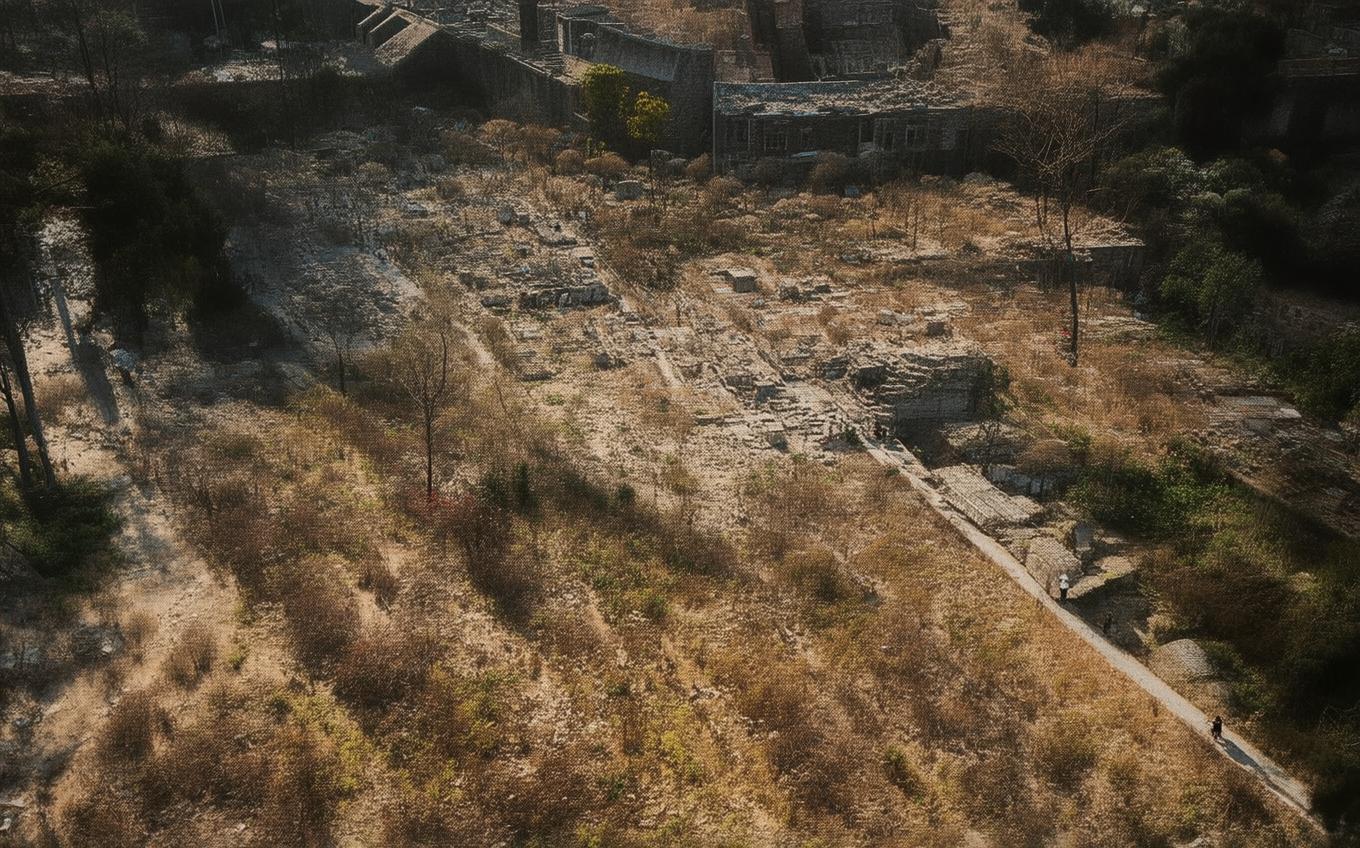
- Imagery: The vast Qinghai Lake and the "long clouds" stretching over snow-capped mountains create a bleak, oppressive atmosphere. The "darkening" suggests both the harsh weather and the looming threat of war.
- Emotion: A sense of isolation and foreboding is conveyed, setting the tone for the poem.
Line 2: "孤城遥望玉门关"
- Symbolism: The "lone fortress" represents the soldiers' solitude and vigilance. The Jade Gate Pass (Yumen Guan) was a key defensive point on the Silk Road, symbolizing both protection and the distant homeland.
- Emotion: The line evokes longing and duty—the soldiers watch the horizon, guarding the empire’s borders.
Line 3: "黄沙百战穿金甲"
- Metaphor: The "yellow sands" and "hundred battles" illustrate relentless warfare. The "golden armor" (symbolizing elite Tang soldiers) being "worn through" shows the brutal toll of combat.
- Emotion: Resilience and sacrifice are emphasized—the soldiers endure despite exhaustion.
Line 4: "不破楼兰终不还"
- Historical Reference: "Loulan" was an ancient kingdom hostile to China; here, it represents all enemies of the Tang.
- Emotion: A vow of unwavering determination—victory or death. The line embodies the Tang military ethos of loyalty and courage.
Themes and Symbolism
1. Patriotism and Duty
The poem glorifies the soldiers' commitment to defending their homeland, a core Confucian value. Their refusal to return without victory reflects the Tang ideal of zhong (忠, loyalty).
2. Hardship and Sacrifice
The harsh landscape (snow, sand, isolation) mirrors the soldiers' suffering. The "worn armor" symbolizes their physical and emotional endurance.
3. Nature as a Reflection of Emotion
Wang Changling uses nature to amplify the poem’s mood—the dark clouds and endless sands mirror the soldiers' grim resolve.
Cultural Context
Tang Dynasty Frontier Poetry
During the Tang Dynasty, frontier poetry (biansai shi, 边塞诗) flourished, often depicting the lives of soldiers stationed along the Silk Road. These poems balanced admiration for bravery with critiques of war’s futility.
The Jade Gate Pass
A symbol of China’s western frontier, the Jade Gate Pass (玉门关) separated civilization from the "barbarian" lands. Its mention underscores the soldiers' distance from home.
Loulan’s Significance
Loulan (楼兰) was a real kingdom in the Tarim Basin, often portrayed as a treacherous foe in Tang literature. Its mention here serves as a metaphor for any threat to the empire.
Conclusion
Wang Changling’s 从军行·青海长云暗雪山 is a masterpiece of Tang frontier poetry, blending stark imagery with profound emotion. Its depiction of soldiers' resilience and patriotism resonates across centuries, offering a window into the Tang Dynasty’s martial spirit and cultural values.
Today, the poem remains relevant as a meditation on duty, sacrifice, and the human cost of conflict. Its power lies in its simplicity—a few brushstrokes of words painting an enduring portrait of courage in the face of desolation.
For readers exploring Chinese literature, this poem is a perfect introduction to the beauty and depth of classical poetry, where every character carries the weight of history.

Comments (0)
No comments yet. Be the first to comment!