Analysis of "凉州词·黄河远上白云间" - Classical Chinese Poetry
Introduction
The poem "凉州词·黄河远上白云间" (Liángzhōu Cí · Huáng Hé yuǎn shàng bái yún jiān) was written by Wang Zhihuan (王之涣), a renowned poet of the Tang Dynasty (618–907 AD). This period is often considered the golden age of Chinese poetry, and Wang Zhihuan was one of its most celebrated figures, known for his vivid depictions of frontier landscapes and emotional depth.
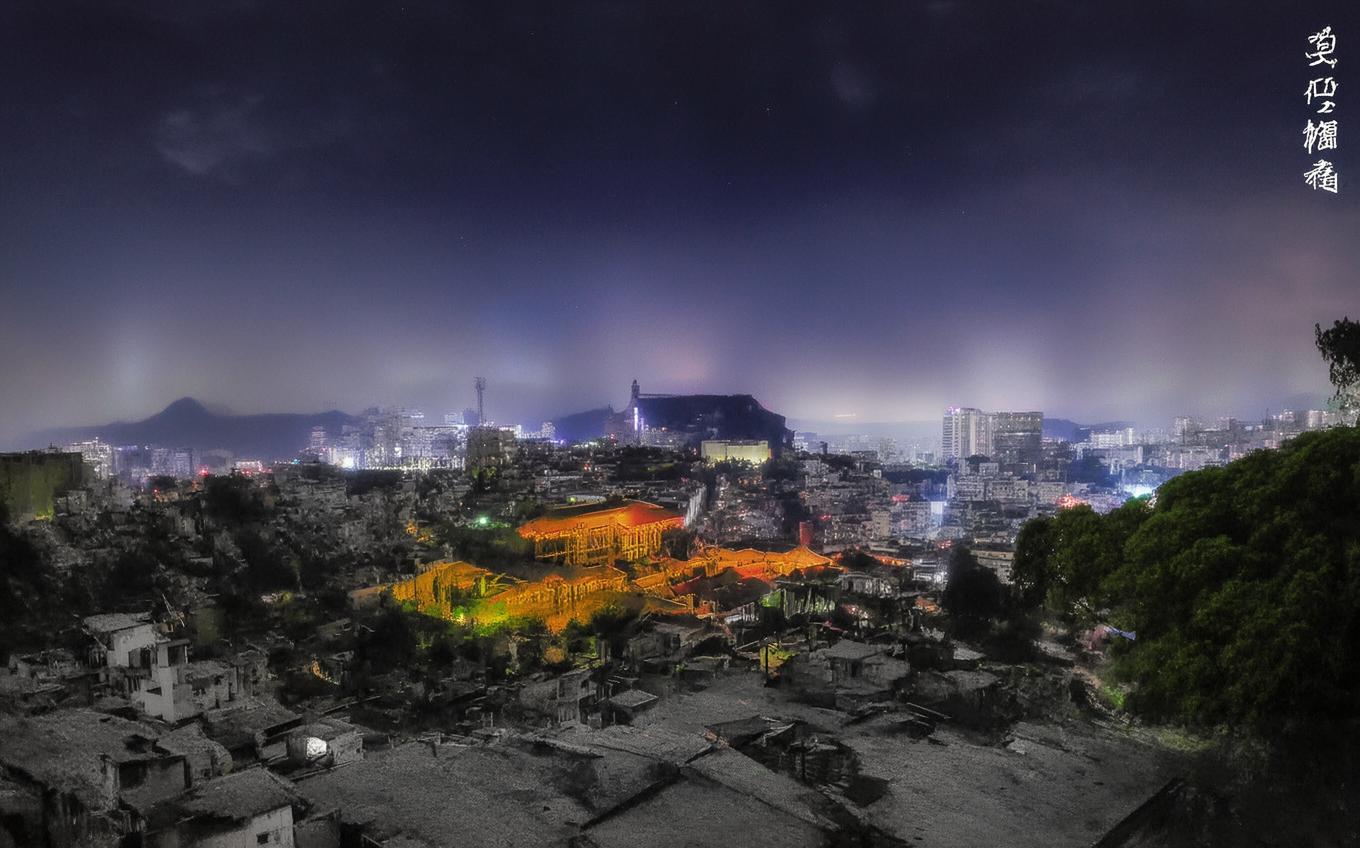
This poem is part of the Liángzhōu Cí ("Songs of Liangzhou") series, which describes the vast and desolate scenery of China's northwestern frontier. It captures the grandeur of nature while subtly conveying a sense of loneliness and longing, making it a masterpiece of Tang poetry.
The Poem: Full Text and Translation
黄河远上白云间
Huáng Hé yuǎn shàng bái yún jiān
The Yellow River ascends far into white clouds,一片孤城万仞山
Yī piàn gū chéng wàn rèn shān
A lone fortress stands amid towering mountains.羌笛何须怨杨柳
Qiāng dí hé xū yuàn yáng liǔ
Why should the Qiang flute lament the willow trees?春风不度玉门关
Chūn fēng bù dù Yùmén Guān
The spring breeze never crosses the Jade Gate Pass.
Line-by-Line Analysis
-
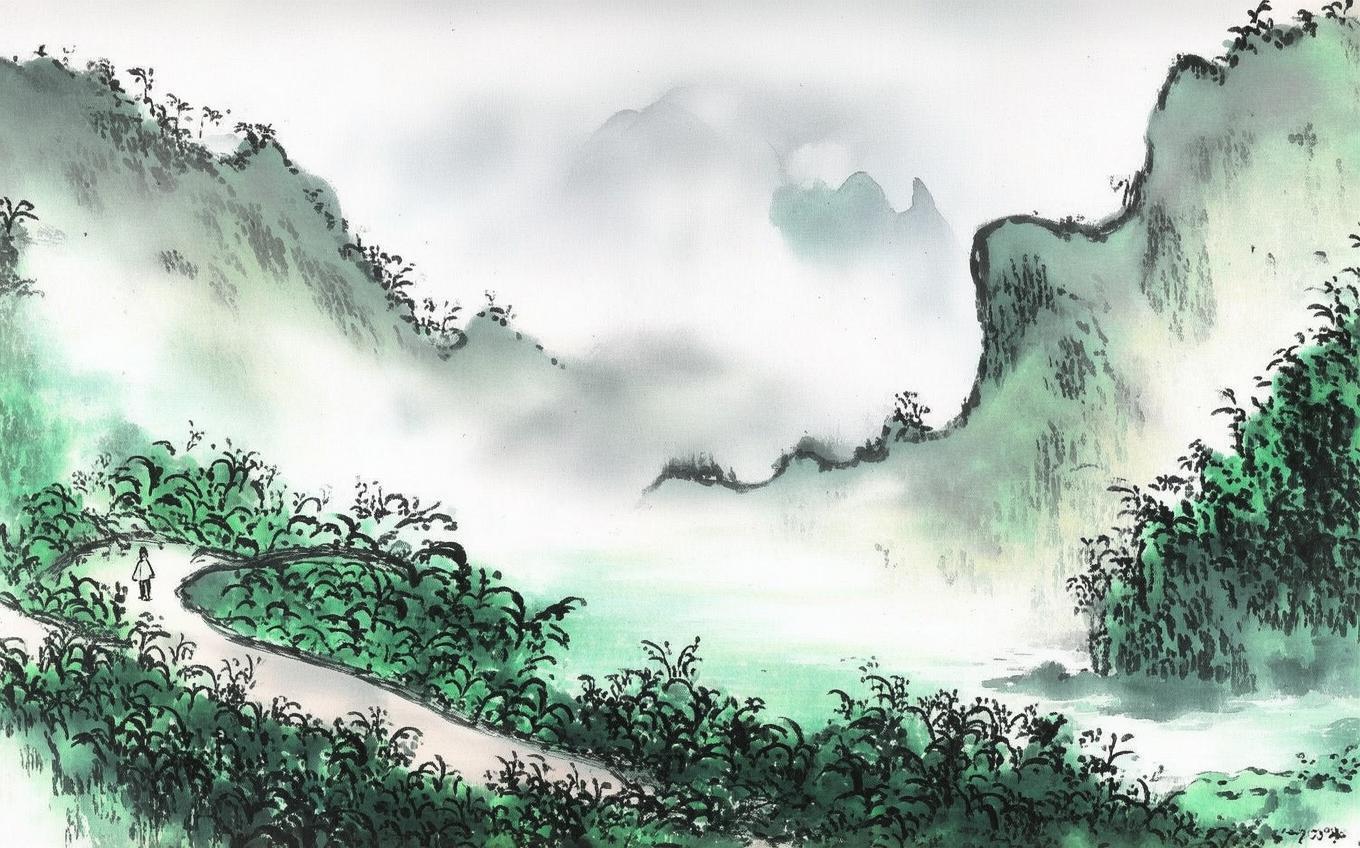
"The Yellow River ascends far into white clouds"
- The Yellow River, a symbol of Chinese civilization, is depicted as stretching endlessly into the sky, blending with the clouds. This hyperbolic imagery emphasizes the vastness and majesty of the landscape. -
"A lone fortress stands amid towering mountains"
- The "lone fortress" represents a military outpost on the frontier, isolated and surrounded by steep mountains. The contrast between human structures and nature highlights the harshness of life in the borderlands. -
"Why should the Qiang flute lament the willow trees?"
- The Qiāng people, a nomadic group, played flutes that often expressed sorrow. "Willow trees" symbolize parting and homesickness ("liǔ" sounds like "stay" in Chinese). The poet questions the need for sorrow, suggesting resilience. -
"The spring breeze never crosses the Jade Gate Pass"
- The Jade Gate Pass was a key frontier gate on the Silk Road. The absence of spring breeze implies that warmth and comfort do not reach this desolate place, reinforcing the theme of isolation.
Themes and Symbolism
-
Nature’s Majesty vs. Human Solitude
The poem contrasts the grandeur of the Yellow River and mountains with the loneliness of the fortress, reflecting the smallness of human existence in the face of nature. -
Frontier Hardship
The "lone fortress" and "Jade Gate Pass" symbolize the harsh life of soldiers and travelers on the frontier, far from home and comfort. -
Resignation and Stoicism
The rhetorical question ("Why lament?") suggests acceptance of hardship, a common theme in Tang frontier poetry.
Cultural Context
During the Tang Dynasty, China's northwestern frontier was a contested region, often guarded by soldiers far from their families. Poems like this were popular among scholars and officials who admired the resilience of those living in such conditions.
The Liángzhōu Cí genre often blended natural beauty with melancholy, reflecting Confucian ideals of duty and Daoist appreciation of nature. Wang Zhihuan’s work exemplifies this balance, making his poetry timeless.
Conclusion
"凉州词·黄河远上白云间" is a masterpiece of Tang poetry, blending breathtaking natural imagery with profound emotional depth. Its depiction of the frontier—both awe-inspiring and desolate—resonates with themes of endurance and solitude.
Even today, the poem reminds us of the human capacity to find beauty in hardship, making it a timeless reflection on life’s challenges. For English-speaking readers, it offers a glimpse into the soul of classical Chinese literature—where nature and emotion intertwine seamlessly.

Comments (0)
No comments yet. Be the first to comment!