Analysis of "凉州词二首·其一" - Classical Chinese Poetry
Introduction
"凉州词二首·其一" (Liángzhōu Cí Èr Shǒu: Qí Yī, "Song of Liangzhou: First of Two") is a famous Tang Dynasty poem by Wang Zhihuan (王之涣, 688–742), a celebrated frontier poet known for his vivid depictions of life along China’s northwestern borders. This poem captures the desolate beauty of the frontier and the melancholy of soldiers stationed far from home. It remains one of the most iconic works of 边塞诗 (biānsài shī, frontier poetry), reflecting themes of isolation, resilience, and the vastness of nature.
The Poem: Full Text and Translation
Original Text and Translation
黄河远上白云间
Huáng Hé yuǎn shàng bái yún jiān
The Yellow River climbs far into white clouds,一片孤城万仞山
Yī piàn gū chéng wàn rèn shān
A lone fortress stands among ten-thousand-foot mountains.羌笛何须怨杨柳
Qiāng dí hé xū yuàn yáng liǔ
Why must the Qiang flute lament the willow trees?春风不度玉门关
Chūn fēng bù dù Yùmén Guān
The spring wind never crosses the Jade Gate Pass.
Line-by-Line Analysis
-
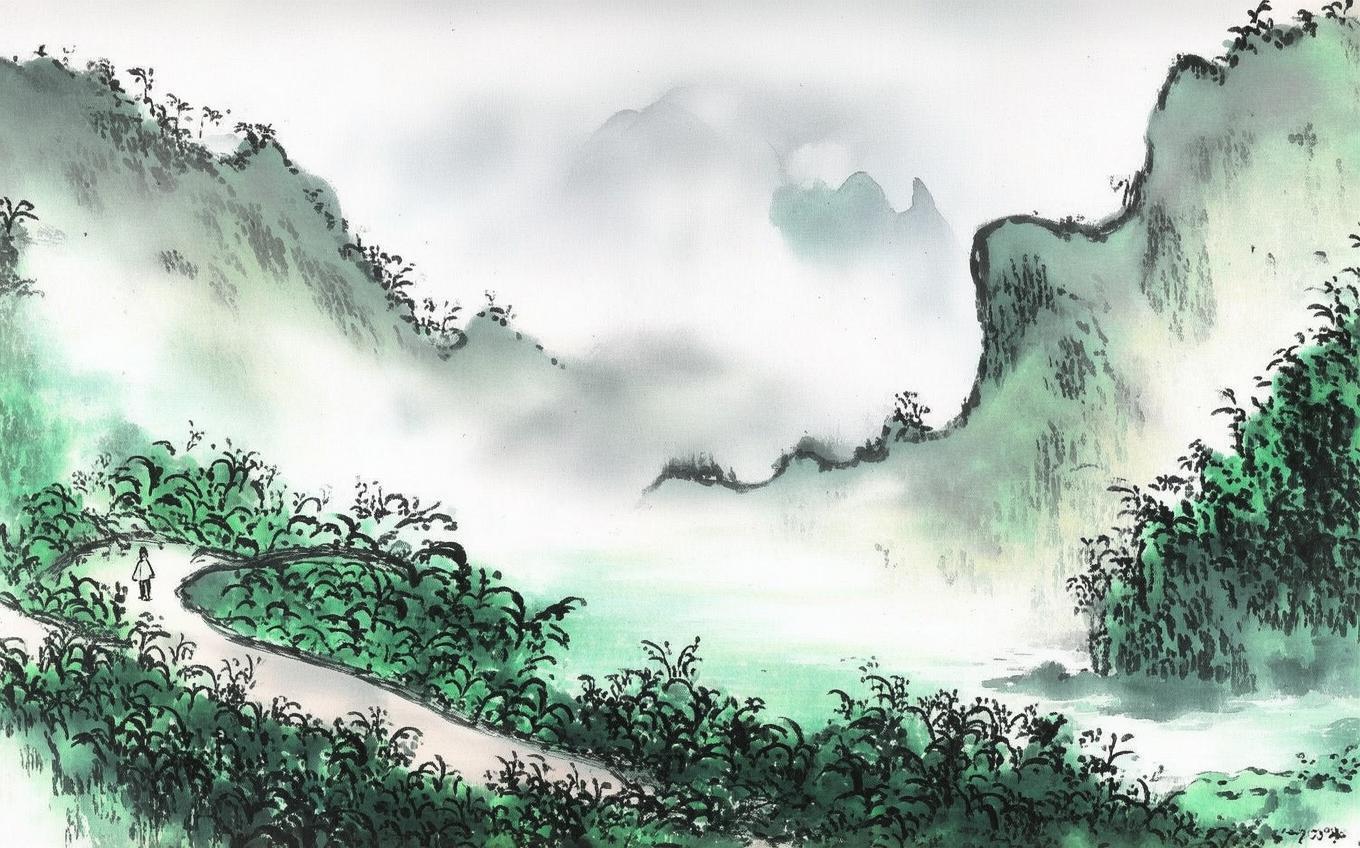
"The Yellow River climbs far into white clouds"
- The Yellow River (黄河), a symbol of Chinese civilization, is depicted as stretching endlessly toward the sky. The imagery conveys both grandeur and remoteness. -
"A lone fortress stands among ten-thousand-foot mountains"
- The "lone fortress" (孤城) represents the isolation of frontier soldiers. "Ten-thousand-foot mountains" (万仞山) exaggerate the imposing landscape, emphasizing human insignificance against nature. -
"Why must the Qiang flute lament the willow trees?"
- The Qiang flute (羌笛), a nomadic instrument, plays a mournful tune. "Willow trees" (杨柳) symbolize parting (as liǔ 柳 sounds like liú 留, "to stay"). The line critiques unnecessary sorrow—since the frontier is harsh, longing for home is futile. -
"The spring wind never crosses the Jade Gate Pass"
- Jade Gate Pass (玉门关) marked China’s western frontier. The "spring wind" (春风) symbolizes warmth and renewal, but here, it never arrives, reinforcing the idea of an unrelenting, lifeless borderland.
Themes and Symbolism
Key Themes
- Isolation vs. Duty: The poem contrasts the soldiers’ loneliness with their unspoken resolve to defend the frontier.
- Nature’s Dominance: The landscape dwarfs human presence, a common motif in frontier poetry.
- Futility of Longing: The flute’s lament is deemed pointless—accepting hardship is the only option.
Symbolism
- Yellow River: Represents China’s heartland, now distant and unreachable.
- Jade Gate Pass: A literal and metaphorical boundary between civilization and the unknown.
- Spring Wind: A metaphor for imperial care (or lack thereof)—the frontier is abandoned by the capital’s comforts.
Cultural Context
Historical Background
- Written during the Tang Dynasty (618–907), a golden age of poetry and territorial expansion.
- Frontier poetry (边塞诗) often depicted the lives of soldiers and the clash between Han Chinese and nomadic tribes.
Philosophical Undercurrents
- Reflects Daoist acceptance of nature’s power and Confucian loyalty to duty, despite suffering.
- The poem’s bleak tone critiques war’s human cost while acknowledging its necessity.
Conclusion
Wang Zhihuan’s "凉州词" masterfully blends stark imagery with emotional restraint, offering a window into the Tang Dynasty’s frontier spirit. Its enduring appeal lies in its universal themes—resilience in adversity, the tension between duty and desire, and the awe of untamed nature. For modern readers, it serves as a poignant reminder of the sacrifices hidden behind historical grandeur.
"The spring wind never crosses the Jade Gate Pass"—yet the poem itself has crossed centuries, carrying the voices of those long silenced by time.
Further Reading:
- The Great Tang Poets by Stephen Owen (translations of frontier poetry).
- The Columbia Anthology of Traditional Chinese Literature (for context on Tang Dynasty literature).
Would you like a similar analysis of the second poem in the series?

Comments (0)
No comments yet. Be the first to comment!