Analysis of "后出塞·其二" - Classical Chinese Poetry
Introduction
"后出塞·其二" (Hòu Chū Sài·Qí Èr, "Frontier Songs: Second of the Sequel") is a famous poem by the Tang Dynasty poet Du Fu (杜甫, 712–770), one of China’s greatest literary figures. Written during a turbulent period of the Tang Dynasty, this poem reflects the hardships of soldiers stationed at the frontier and critiques the human cost of imperial expansion.
Du Fu is renowned for his socially conscious poetry, often depicting the struggles of ordinary people. "后出塞" is a series of five poems, with the second piece standing out for its vivid imagery and emotional depth. It captures the loneliness and disillusionment of a soldier far from home, embodying Du Fu’s compassion for those affected by war.
The Poem: Full Text and Translation
朝进东门营,暮上河阳桥。
Zhāo jìn dōng mén yíng, mù shàng hé yáng qiáo.
At dawn, I enter the camp at the East Gate; by dusk, I cross the bridge at Heyang.落日照大旗,马鸣风萧萧。
Luòrì zhào dà qí, mǎ míng fēng xiāoxiāo.
The setting sun lights the great banners; horses neigh as the wind howls.平沙列万幕,部伍各见招。
Píng shā liè wàn mù, bù wǔ gè jiàn zhāo.
On the flat sands, tents stretch endlessly; troops gather as orders are called.中天悬明月,令严夜寂寥。
Zhōng tiān xuán míng yuè, lìng yán yè jìliáo.
A bright moon hangs in the sky; strict commands deepen the night’s solitude.悲笳数声动,壮士惨不骄。
Bēi jiā shù shēng dòng, zhuàngshì cǎn bù jiāo.
The mournful sound of horns stirs; brave men are somber, no longer proud.借问大将谁?恐是霍嫖姚。
Jièwèn dà jiàng shéi? Kǒng shì Huò Piāoyáo.
Who is the great general? Perhaps Huo Qubing, the Swift Cavalry.
Line-by-Line Analysis
-
"At dawn, I enter the camp at the East Gate..."
The poem opens with a soldier’s journey, emphasizing the swift transition from civilian life to military duty. The East Gate and Heyang Bridge symbolize the threshold between safety and the unknown. -
"The setting sun lights the great banners..."
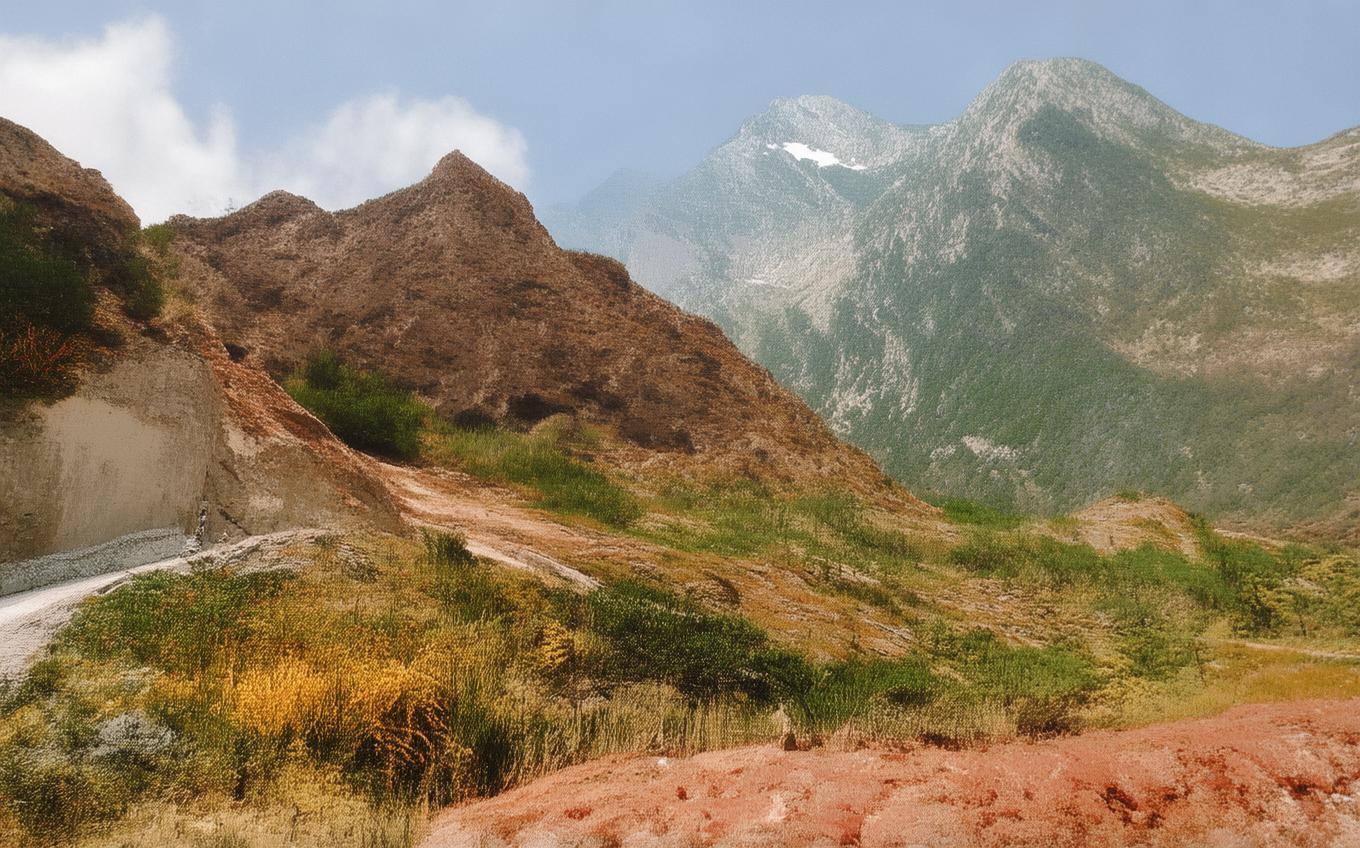
The imagery of the sunset and fluttering banners evokes both grandeur and transience. The howling wind and neighing horses create an atmosphere of tension. -
"On the flat sands, tents stretch endlessly..."
The vastness of the encampment highlights the scale of the military operation, while the orderly assembly suggests discipline—yet also anonymity. -
"A bright moon hangs in the sky..."
The moon, a classic symbol of longing, contrasts with the strict military commands, underscoring the soldiers’ isolation. -
"The mournful sound of horns stirs..."
The jia (笳), a reed instrument used in the military, conveys sorrow. The soldiers’ pride has faded into grim resignation. -
"Who is the great general?..."
The reference to Huo Qubing (霍去病), a Han Dynasty general famed for his victories, may carry irony—glory for the empire, but suffering for the soldiers.
Themes and Symbolism
- Loneliness and Disillusionment: The poem contrasts the soldier’s initial pride with his later despair, revealing the psychological toll of war.
- Nature’s Indifference: The moon and wind are indifferent to human struggles, emphasizing the soldiers’ vulnerability.
- Critique of War: While the Tang Dynasty celebrated military triumphs, Du Fu highlights the personal cost, questioning the value of conquest.
Cultural Context
Du Fu wrote during the An Lushan Rebellion (755–763), a devastating conflict that weakened the Tang Dynasty. His poems often criticized the government’s neglect of soldiers and peasants. "后出塞·其二" reflects Confucian values of compassion (ren, 仁) and the idea that rulers should prioritize people’s welfare over expansion.
Conclusion
"后出塞·其二" is a masterpiece of emotional depth and social critique. Through stark imagery and subtle irony, Du Fu humanizes the soldiers, reminding us that behind every battle are individuals yearning for home. Its themes of sacrifice and the futility of war remain relevant today, making it a timeless work of world literature.
For readers exploring Chinese poetry, Du Fu’s works offer not just beauty, but a profound window into history and humanity.

Comments (0)
No comments yet. Be the first to comment!