Analysis of "行香子·述怀" - Classical Chinese Poetry
Introduction
"行香子·述怀" (Xíng Xiāng Zǐ · Shù Huái) is a famous lyric poem (cí) written by Su Shi (苏轼, 1037–1101), one of the greatest poets of the Song Dynasty. Su Shi, also known as Su Dongpo, was a polymath—poet, painter, calligrapher, and statesman—whose works reflect deep philosophical insights and emotional richness.
This poem is a reflection on life’s fleeting nature and the poet’s yearning for spiritual freedom. It embodies the Daoist and Buddhist influences prevalent in Song Dynasty literati culture, blending melancholy with transcendent wisdom.
The Poem: Full Text and Translation
清夜无尘,月色如银。
Qīng yè wú chén, yuè sè rú yín.
A clear night, dustless; the moonlight like silver.酒斟时、须满十分。
Jiǔ zhēn shí, xū mǎn shí fēn.
When pouring wine, fill the cup to the brim.浮名浮利,虚苦劳神。
Fú míng fú lì, xū kǔ láo shén.
Fleeting fame and fortune—vain toil that wearies the spirit.叹隙中驹,石中火,梦中身。
Tàn xì zhōng jū, shí zhōng huǒ, mèng zhōng shēn.
Sigh—life is like a steed glimpsed through a crack, a spark struck from stone, a body in a dream.虽抱文章,开口谁亲。
Suī bào wénzhāng, kāi kǒu shéi qīn.
Though I possess literary talent, who truly understands me when I speak?且陶陶、乐尽天真。
Qiě táotáo, lè jìn tiānzhēn.
Let me instead be joyfully drunk, delighting in my natural innocence.几时归去,作个闲人。
Jǐ shí guī qù, zuò gè xián rén.
When can I return home, to live as a carefree recluse?对一张琴,一壶酒,一溪云。
Duì yī zhāng qín, yī hú jiǔ, yī xī yún.
Facing a lute, a jug of wine, and a streamside cloud.
Line-by-Line Analysis
-
"A clear night, dustless; the moonlight like silver."
- The opening sets a serene, almost ethereal scene, symbolizing purity and clarity—a contrast to worldly chaos. -
"When pouring wine, fill the cup to the brim."
- A call to embrace life fully, echoing the memento mori theme—urging appreciation of the present. -
"Fleeting fame and fortune—vain toil that wearies the spirit."
- Su Shi critiques materialism, reflecting his Daoist disdain for artificial pursuits. -
"Sigh—life is like a steed glimpsed through a crack, a spark struck from stone, a body in a dream."
- Three metaphors for life’s brevity:- Steed glimpsed through a crack (from Zhuangzi)—life passes in an instant.
- Spark from stone—ephemeral, like a fleeting light.
- Body in a dream—Buddhist notion of existence as illusory.
-
"Though I possess literary talent, who truly understands me when I speak?"
- A lament of isolation, common among scholar-officials who faced political exile (as Su Shi did). -
"Let me instead be joyfully drunk, delighting in my natural innocence."
- Embraces spontaneity (tiānzhēn, "natural innocence"), a Daoist ideal of unpretentious living. -
"When can I return home, to live as a carefree recluse?"
- The poet’s longing for retreat mirrors the yǐnshì (hermit) tradition in Chinese literati culture. -
"Facing a lute, a jug of wine, and a streamside cloud."
- The closing image epitomizes the scholar’s ideal: music (art), wine (joy), and nature (tranquility).
Themes and Symbolism
-
Transience of Life
- The poem dwells on impermanence, using metaphors like the "spark from stone" to emphasize life’s fragility. -
Rejection of Worldly Pursuits
- Su Shi dismisses fame and wealth as empty, advocating inner peace over external validation. -
Nature as Sanctuary
- The "streamside cloud" symbolizes harmony with nature, a refuge from societal pressures. -
Joy in Simplicity
- The lute, wine, and cloud represent the wényǎ (elegant) lifestyle—finding fulfillment in modest pleasures.
Cultural Context
- Song Dynasty Literati Culture: Scholar-officials like Su Shi often faced political turmoil, leading to a dual identity—public servant and private recluse. Poetry became an outlet for their conflicts.
- Influence of Daoism & Buddhism: The poem’s themes of detachment and impermanence reflect these philosophies, which were integral to Song intellectual life.
- Cí Poetry: Unlike regulated verse (shī), cí was set to musical tunes, allowing freer expression of emotion. Su Shi expanded the form’s thematic range beyond love to include philosophical musings.
Conclusion
"行香子·述怀" is a masterpiece of introspection, blending lyrical beauty with profound existential thought. Su Shi’s yearning for simplicity and his meditation on life’s brevity resonate across centuries, offering timeless wisdom. In today’s fast-paced world, his call to "delight in natural innocence" remains a poignant reminder to seek meaning beyond material pursuits.
For readers exploring Chinese poetry, this poem is a gateway to understanding the interplay of emotion, philosophy, and nature in classical literati culture. Its enduring appeal lies in its universal message: true contentment is found not in external achievements, but in the quiet moments of harmony with oneself and the world.
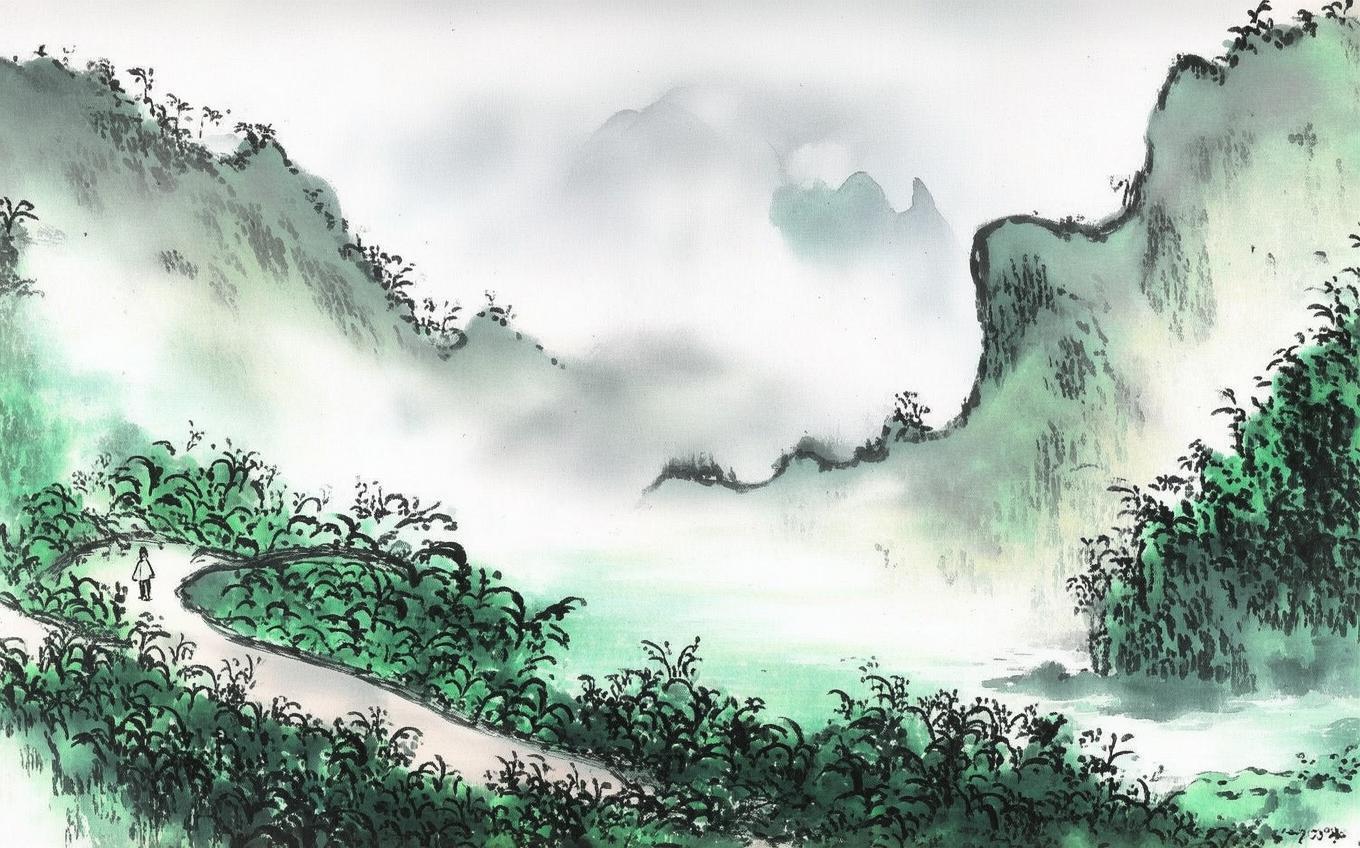
"Facing a lute, a jug of wine, and a streamside cloud."—perhaps this is all we need.

Comments (0)
No comments yet. Be the first to comment!