
Analysis of "鹧鸪天·林断山明竹隐墙" - Classical Chinese Poetry
Introduction
The poem "鹧鸪天·林断山明竹隐墙" (Zhè Gū Tiān · Lín Duàn Shān Míng Zhú Yǐn Qiáng) was written by Su Shi (苏轼, 1037–1101), one of the most celebrated poets of the Song Dynasty. Known by his courtesy name Dongpo (东坡), Su Shi was a master of ci poetry (lyrical verse) and prose, blending deep philosophical reflections with vivid natural imagery.
This poem belongs to the "Zhè Gū Tiān" tune, a popular ci form. It captures a tranquil rural scene while subtly expressing the poet’s inner solitude and resignation after political exile. The work is admired for its elegant simplicity and profound emotional depth, embodying the refined aesthetic of Song Dynasty poetry.
The Poem: Full Text and Translation
鹧鸪天·林断山明竹隐墙
Zhè Gū Tiān · Lín Duàn Shān Míng Zhú Yǐn Qiáng
Partridge Sky · Where Woods End, Hills Emerge, Bamboo Hides the Wall林断山明竹隐墙
Lín duàn shān míng zhú yǐn qiáng
Where woods end, hills emerge; bamboo hides the wall,乱蝉衰草小池塘
Luàn chán shuāi cǎo xiǎo chí táng
Cicadas drone through withered grass by a small pond.翻空白鸟时时见
Fān kōng bái niǎo shí shí jiàn
White birds flicker against the sky, now and then seen,照水红蕖细细香
Zhào shuǐ hóng qú xì xì xiāng
Red lotus blooms mirror the water, their fragrance faint.村舍外,古城旁
Cūn shè wài, gǔ chéng páng
Beyond the village huts, near the ancient town’s remains,杖藜徐步转斜阳
Zhàng lí xú bù zhuǎn xié yáng
Leaning on a cane, I stroll as the sun slants low.殷勤昨夜三更雨
Yīn qín zuó yè sān gēng yǔ
Last night’s rain at midnight came so earnest,又得浮生一日凉
Yòu dé fú shēng yī rì liáng
Granting this fleeting life one more day of cool.
Line-by-Line Analysis
-
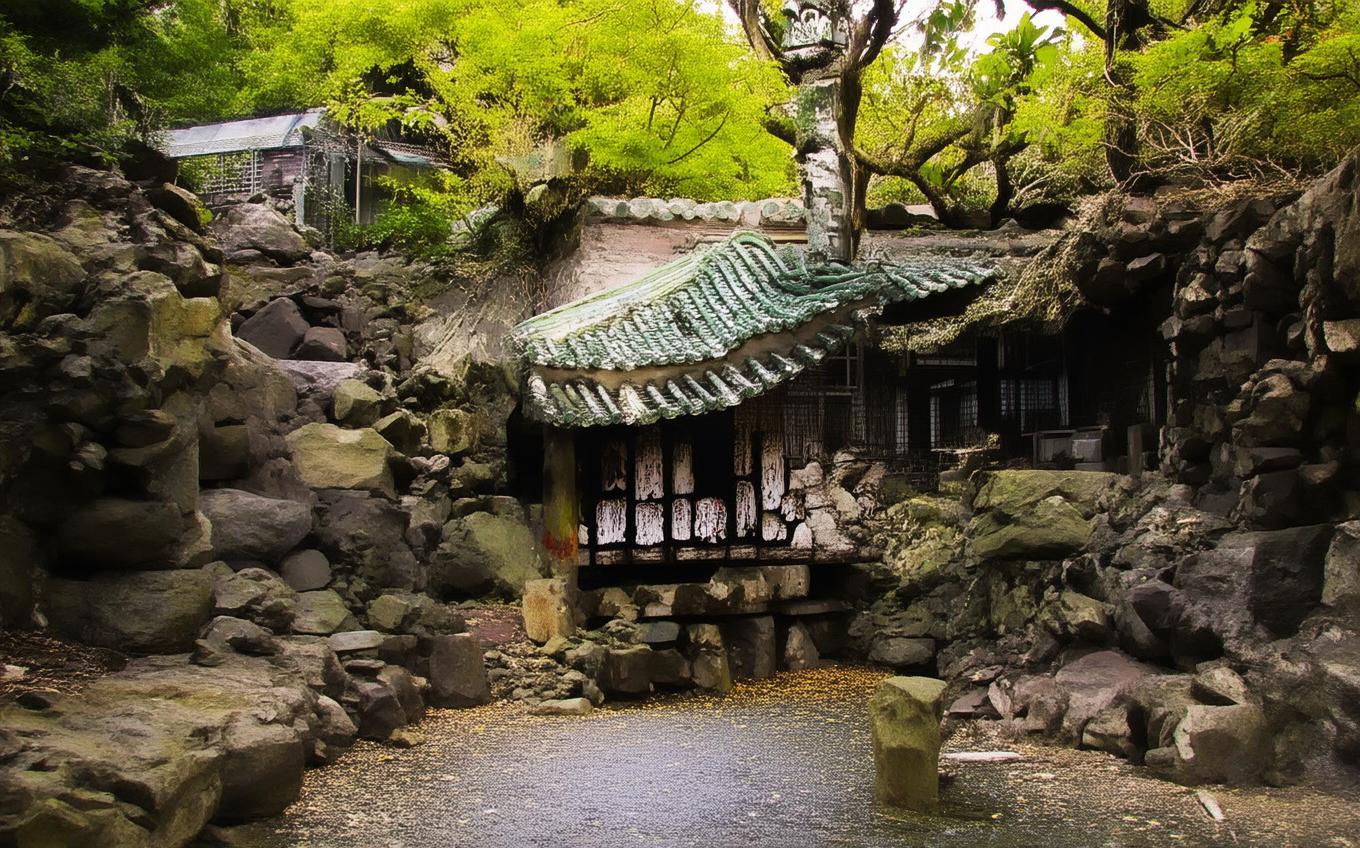
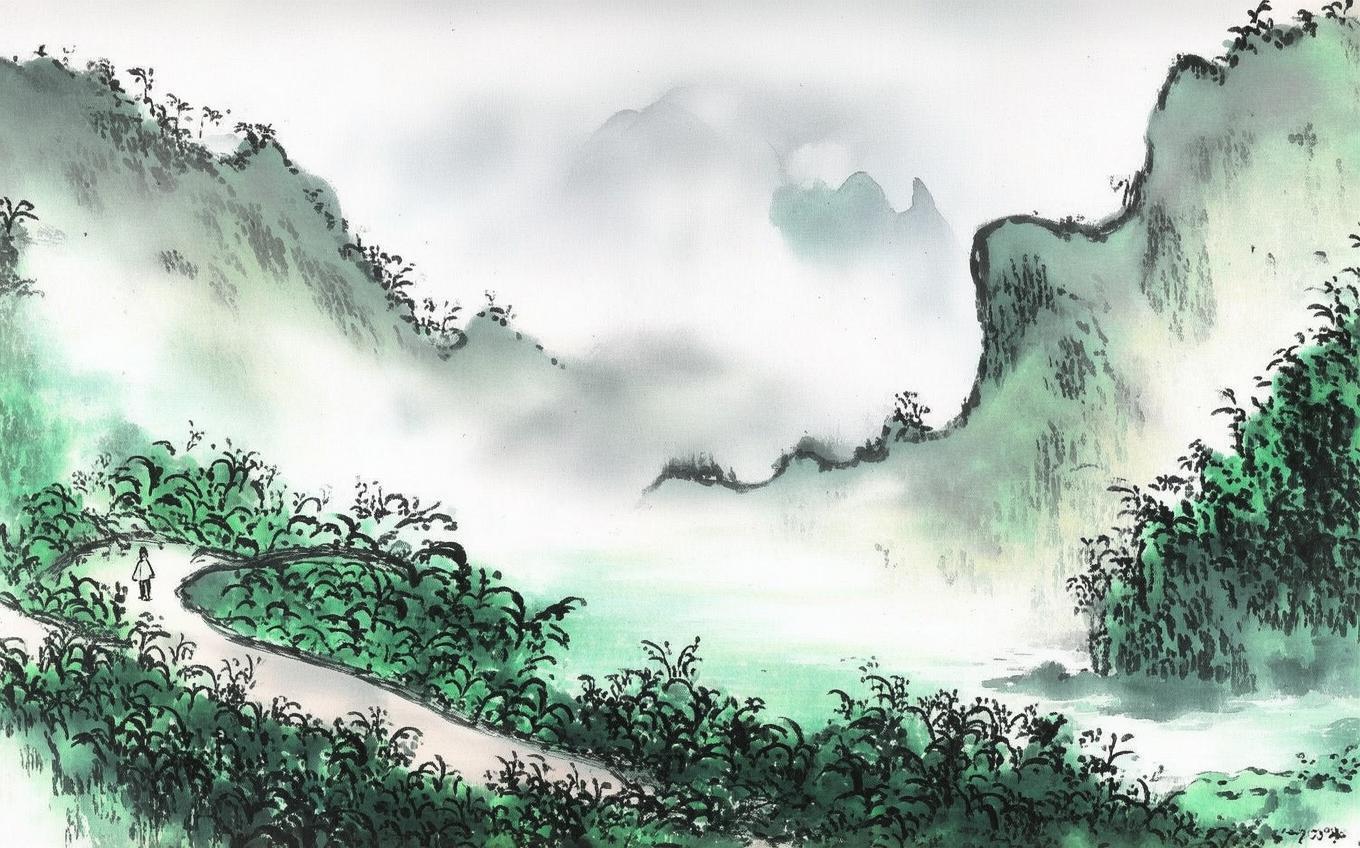
"Where woods end, hills emerge; bamboo hides the wall"
- The opening line paints a layered landscape: dense woods give way to distant bright hills, while bamboo thickets obscure a wall. This imagery suggests a secluded, harmonious retreat. -
"Cicadas drone through withered grass by a small pond"
- The "withered grass" hints at late summer or early autumn, a season of transition. The cicadas’ chaotic chirping contrasts with the stillness of the pond, evoking a melancholic undertone. -
"White birds flicker against the sky, now and then seen"
- The fleeting glimpses of birds symbolize freedom and impermanence—a recurring theme in Su Shi’s exiled poetry. -
"Red lotus blooms mirror the water, their fragrance faint"
- The lotus, a Buddhist symbol of purity, reflects both literally and metaphorically. Its delicate scent underscores the quiet beauty of solitude. -
"Beyond the village huts, near the ancient town’s remains"
- The ruins of the "ancient town" evoke history’s passage, reminding readers of life’s transience. -
"Leaning on a cane, I stroll as the sun slants low"
- The poet, aging and exiled, walks slowly, savoring the fading light—a metaphor for his acceptance of life’s twilight. -
"Last night’s rain at midnight came so earnest"
- The rain symbolizes renewal, yet its timing ("midnight") suggests unseen struggles or introspection. -
"Granting this fleeting life one more day of cool"
- The final line reflects Daoist and Buddhist ideas of "浮生" (fú shēng, fleeting life). The "cool" is both literal relief from heat and spiritual respite from worldly troubles.
Themes and Symbolism
- Nature’s Tranquility vs. Human Transience: The poem juxtaposes serene landscapes with hints of decay (e.g., "withered grass," "ancient town"), mirroring Su Shi’s resignation to life’s impermanence.
- Solitude and Contentment: Despite exile, the poet finds solace in small pleasures—a cooling rain, lotus fragrance—embodying the Confucian ideal of harmony with nature.
- Symbols:
- Bamboo: Resilience and integrity.
Lotus: Spiritual purity amid muddy circumstances (a nod to Su Shi’s unjust exile).
White birds: Freedom and the elusive nature of happiness.
Cultural Context
Written during Su Shi’s exile to Huangzhou (1080–1086), this poem reflects his philosophical resilience. Demoted for political reasons, he turned to nature and Daoist/Buddhist thought, crafting works that celebrated simplicity. The ci form, often sung in courts, here becomes a medium for personal reflection, showcasing the Song Dynasty’s shift toward introspection.
Conclusion
"鹧鸪天·林断山明竹隐墙" is a masterpiece of understated elegance. Through delicate imagery and quiet emotion, Su Shi transforms a rural vignette into a meditation on life’s fleeting beauty. Its message—finding joy in small moments despite adversity—resonates across cultures and centuries, reminding us that grace often lies in the ordinary.
For modern readers, the poem invites a slower, more mindful engagement with the world—a lesson as vital today as it was in the Song Dynasty.

Comments (0)
No comments yet. Be the first to comment!