Analysis of "崔濮阳兄季重前山兴" - Classical Chinese Poetry
Introduction
The poem "崔濮阳兄季重前山兴" (Cuī Púyáng Xiōng Jì Zhòng Qián Shān Xìng) was written by the Tang Dynasty poet Wang Wei (王维, 699–759), one of China's most celebrated literary figures. Known for his tranquil and meditative verses, Wang Wei was a master of landscape poetry, blending Buddhist philosophy with natural imagery.
This poem reflects Wang Wei's signature style—capturing the serenity of nature while subtly expressing deeper philosophical reflections. It was composed as a response to or in honor of his friend Cui Jizhong (崔季重), likely during a shared retreat in the mountains. The poem exemplifies the Tang Dynasty's artistic ideals, where nature served as both a physical and spiritual refuge.
The Poem: Full Text and Translation
Here is the full text of the poem, along with pinyin and an English translation:
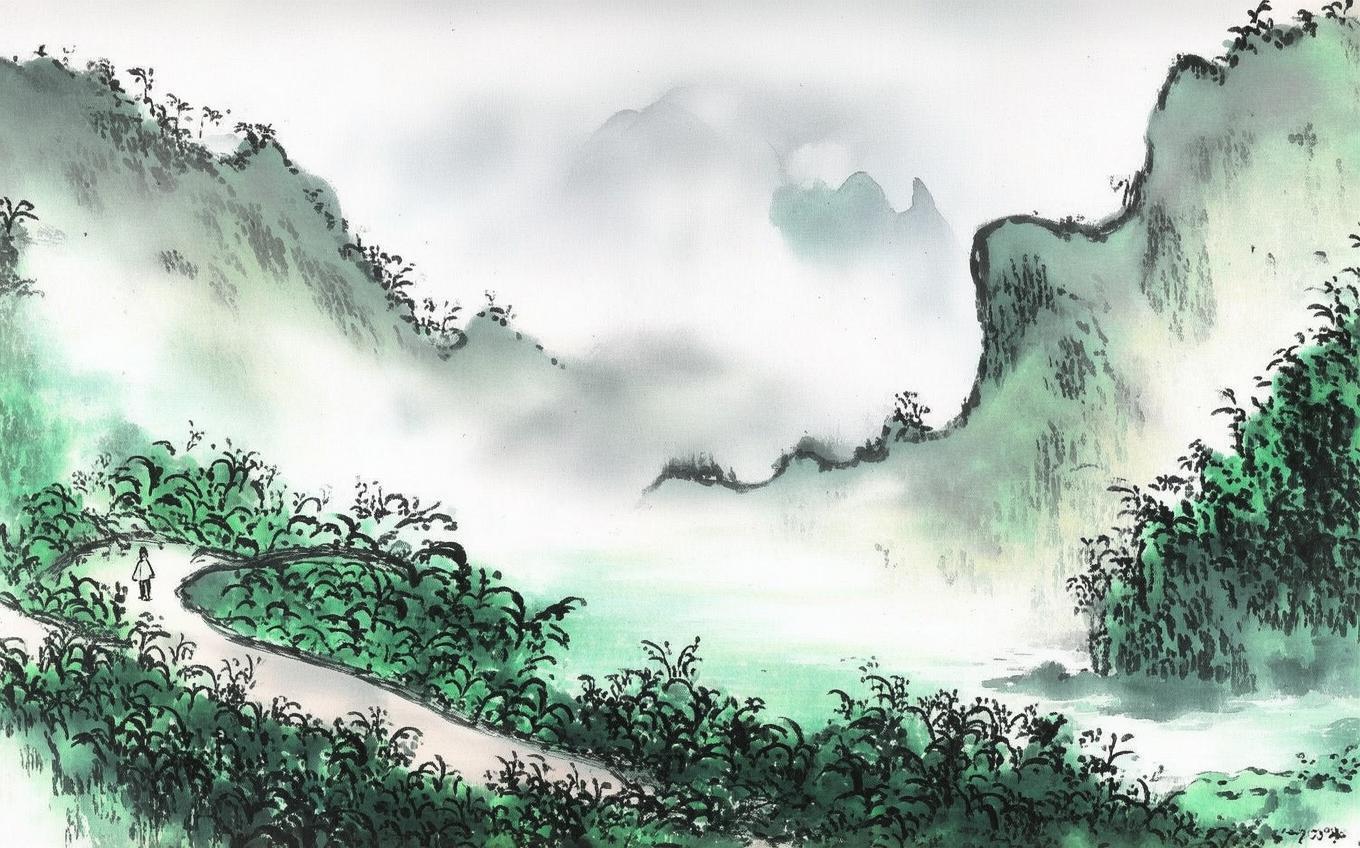
秋山敛余照
Qiū shān liǎn yú zhào
Autumn mountains gather the last rays of sunset,飞鸟逐前侣
Fēi niǎo zhú qián lǚ
Birds in flight chase their companions ahead,彩翠时分明
Cǎi cuì shí fēnmíng
Colors of emerald and gold flicker bright,夕岚无处所
Xī lán wú chù suǒ
Evening mists drift without a fixed place.
Line-by-Line Analysis
-
"秋山敛余照" (Qiū shān liǎn yú zhào)
- The poem opens with an image of autumn mountains absorbing the fading sunlight. The word "敛" (liǎn), meaning "to gather" or "collect," suggests a quiet, almost reverent absorption of light, evoking a sense of transition from day to night. -
"飞鸟逐前侣" (Fēi niǎo zhú qián lǚ)
- Birds are a common motif in Chinese poetry, symbolizing freedom and the passage of time. Here, they chase their companions, perhaps reflecting human relationships—friendship, companionship, or even the poet’s own bond with Cui Jizhong. -
"彩翠时分明" (Cǎi cuì shí fēnmíng)
- The interplay of colors ("彩翠" – cǎi cuì, "emerald hues") suggests the fleeting beauty of nature. The phrase "时分明" (shí fēnmíng) implies that these colors appear vividly but transiently, reinforcing the Buddhist idea of impermanence. -
"夕岚无处所" (Xī lán wú chù suǒ)
- The evening mist ("夕岚" – xī lán) drifts without a fixed destination, mirroring the wandering mind in meditation. This line embodies the Daoist and Buddhist concept of wuwei (无为)—effortless action and natural flow.
Themes and Symbolism
1. Nature as a Spiritual Refuge
Wang Wei often used nature to convey inner peace. The autumn mountains and evening mist create a meditative atmosphere, inviting the reader to contemplate life’s transient beauty.
2. Impermanence (无常, Wúcháng)
The flickering colors and drifting mist symbolize the Buddhist teaching that all things are fleeting. The poem subtly reminds us to appreciate the present moment.
3. Friendship and Solitude
While the poem describes a shared retreat, the imagery of birds and mist also suggests solitude—a balance between companionship and introspection.
Cultural Context
Wang Wei lived during the Tang Dynasty (618–907), a golden age of Chinese poetry. He was influenced by Chan Buddhism (Zen) and Daoism, which emphasized harmony with nature. His works often reflect the "mountain-and-water" (山水, shānshuǐ) aesthetic, where landscapes serve as metaphors for spiritual states.
This poem, like many of his others, aligns with the "Wangchuan style"—named after his estate, where he composed many verses blending nature and philosophy.
Conclusion
"崔濮阳兄季重前山兴" is a masterpiece of understated beauty, capturing the quiet majesty of autumn evenings while hinting at deeper truths about life and friendship. Wang Wei’s ability to merge visual imagery with philosophical depth makes his poetry timeless.
For modern readers, the poem serves as a gentle reminder to pause, observe nature, and reflect on the transient yet profound moments that shape our lives. Whether read as a tribute to friendship or a meditation on existence, its elegance continues to resonate across centuries.
Would you like to explore more of Wang Wei’s works or other Tang Dynasty poets? Let me know in the comments!
Enjoyed this analysis? Share your thoughts below! 🎋

Comments (0)
No comments yet. Be the first to comment!