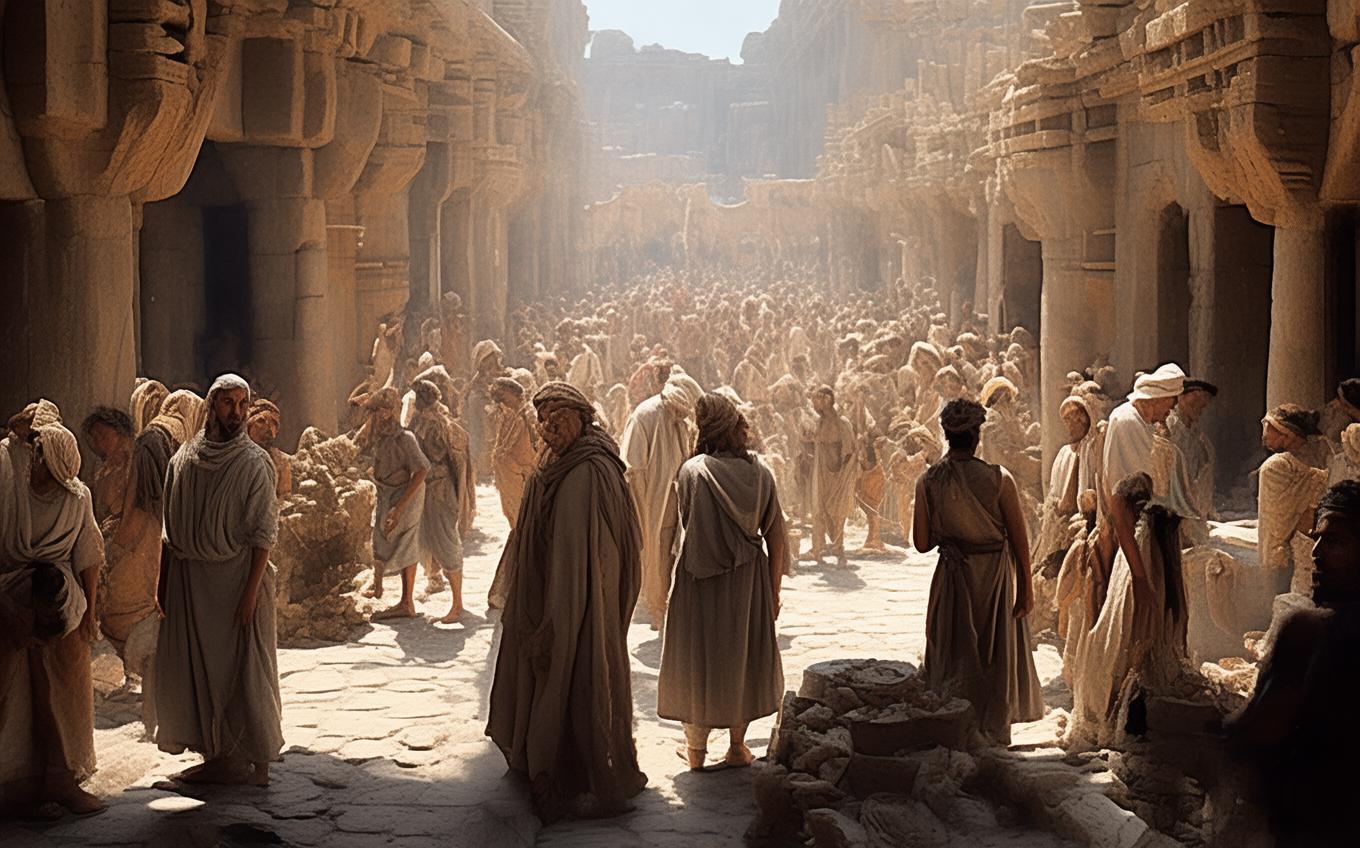
Understanding "古老" - Chinese Word Explanation
1. Basic Information
- Word: 古老
- Pinyin: gǔ lǎo
- Literal Meaning: "ancient" (古) + "old" (老)
- Primary Meaning: Describes something that is ancient, age-old, or has existed for a very long time. It often carries a sense of historical significance or timelessness.
2. In-depth Explanation
Context and Usage
"古老" is used to describe objects, traditions, places, or cultures that have a long history. It conveys respect and admiration for things that have endured through time. Unlike just "old" (老), which can refer to age in general, "古老" emphasizes a connection to antiquity or heritage.
Character Breakdown
- 古 (gǔ): Means "ancient" or "old" in a historical sense.
- 老 (lǎo): Means "old" in terms of age or longevity.
Together, they reinforce the idea of something being deeply rooted in the past.
3. Example Sentences
-
Chinese: 这座城市有许多古老的建筑。
Pinyin: Zhè zuò chéngshì yǒu xǔduō gǔlǎo de jiànzhú.
English: This city has many ancient buildings. -
Chinese: 中国有古老的文化传统。
Pinyin: Zhōngguó yǒu gǔlǎo de wénhuà chuántǒng.
English: China has ancient cultural traditions. -
Chinese: 这个故事来自一个古老的传说。
Pinyin: Zhège gùshi láizì yī gè gǔlǎo de chuánshuō.
English: This story comes from an ancient legend.
Cultural Notes
In Chinese culture, "古老" is often associated with pride in historical achievements, such as the Great Wall, traditional medicine, or classical literature. It reflects a reverence for the past and its enduring influence on modern life.
Conclusion
"古老" (gǔ lǎo) is a poetic and respectful way to describe things with deep historical roots. Remember it for talking about ancient artifacts, traditions, or places that have stood the test of time.




Comments (0)
No comments yet. Be the first to comment!