Analysis of "早秋山中作" - Classical Chinese Poetry
Introduction
"早秋山中作" (Zǎo Qiū Shān Zhōng Zuò, Early Autumn in the Mountains) is a poem by Wang Wei (王维, 699–759), one of the most celebrated poets of the Tang Dynasty. Known for his Buddhist-inspired tranquility and mastery of landscape poetry, Wang Wei often depicted nature as a reflection of inner peace. This poem captures the quiet beauty of early autumn in the mountains, blending sensory imagery with meditative stillness. It exemplifies Chinese pastoral poetry and the Daoist ideal of harmony with nature.
The Poem: Full Text and Translation
早秋山中作
Zǎo qiū shān zhōng zuò
Early Autumn in the Mountains无才不敢累明时,
Wú cái bù gǎn lèi míng shí,
Talentless, I dare not burden this enlightened age,思向东谿守故篱。
Sī xiàng dōng xī shǒu gù lí.
Longing to guard my old fence by the eastern stream.岂厌尚平婚嫁早,
Qǐ yàn shàng píng hūn jià zǎo,
Why resent Shang Ping, who married off his children early?却嫌陶令去官迟。
Què xián táo lìng qù guān chí.
Yet blame Tao Qian for resigning his post too late.草间蛩响临秋急,
Cǎo jiān qióng xiǎng lín qiū jí,
Among grass, crickets sing urgently as autumn nears,山里蝉声薄暮悲。
Shān lǐ chán shēng bó mù bēi.
In the mountains, cicadas cry mournfully at dusk.寂寞柴门人不到,
Jì mò chái mén rén bù dào,
Lonely, my wooden gate sees no visitors,空林独与白云期。
Kōng lín dú yǔ bái yún qī.
In the empty woods, I keep company only with white clouds.
Line-by-Line Analysis
-
Self-Deprecation & Reclusion
- The opening lines reveal Wang Wei’s modesty ("talentless") and desire to retreat from politics ("guard my old fence").
- References to Shang Ping (a hermit who prioritized family) and Tao Qian (the famous recluse poet) highlight his admiration for reclusive lives. -
Autumn Imagery
- The crickets and cicadas symbolize the passage of time and melancholy. Their sounds are "urgent" and "mournful," reflecting the poet’s awareness of life’s transience. -
Solitude & Transcendence
- The "lonely wooden gate" and "empty woods" emphasize isolation, yet the final line elevates this solitude into spiritual communion with nature (white clouds = Daoist freedom).
Themes and Symbolism
-
Nature as Refuge
- The mountains and streams represent an escape from societal duties, a common theme in Tang Dynasty literati culture. -
Buddhist-Daoist Tranquility
- Wang Wei’s "empty woods" mirror the Buddhist concept of emptiness (空, kōng), while the white clouds evoke the Daoist ideal of wuwei (无为, effortless action). -
Melancholy of Autumn
- In Chinese poetry, autumn often symbolizes decay and reflection. The crickets and cicadas act as memento mori, reminding readers of life’s fleeting beauty.
Cultural Context
- Tang Dynasty Reclusion: Many scholars, disillusioned by court politics, chose rural seclusion. Wang Wei himself alternated between official posts and retreats.
- Influence of Tao Qian: The poem echoes Tao Qian’s (陶渊明) famous retreat to nature, as in "Returning to Dwell in Gardens and Fields".
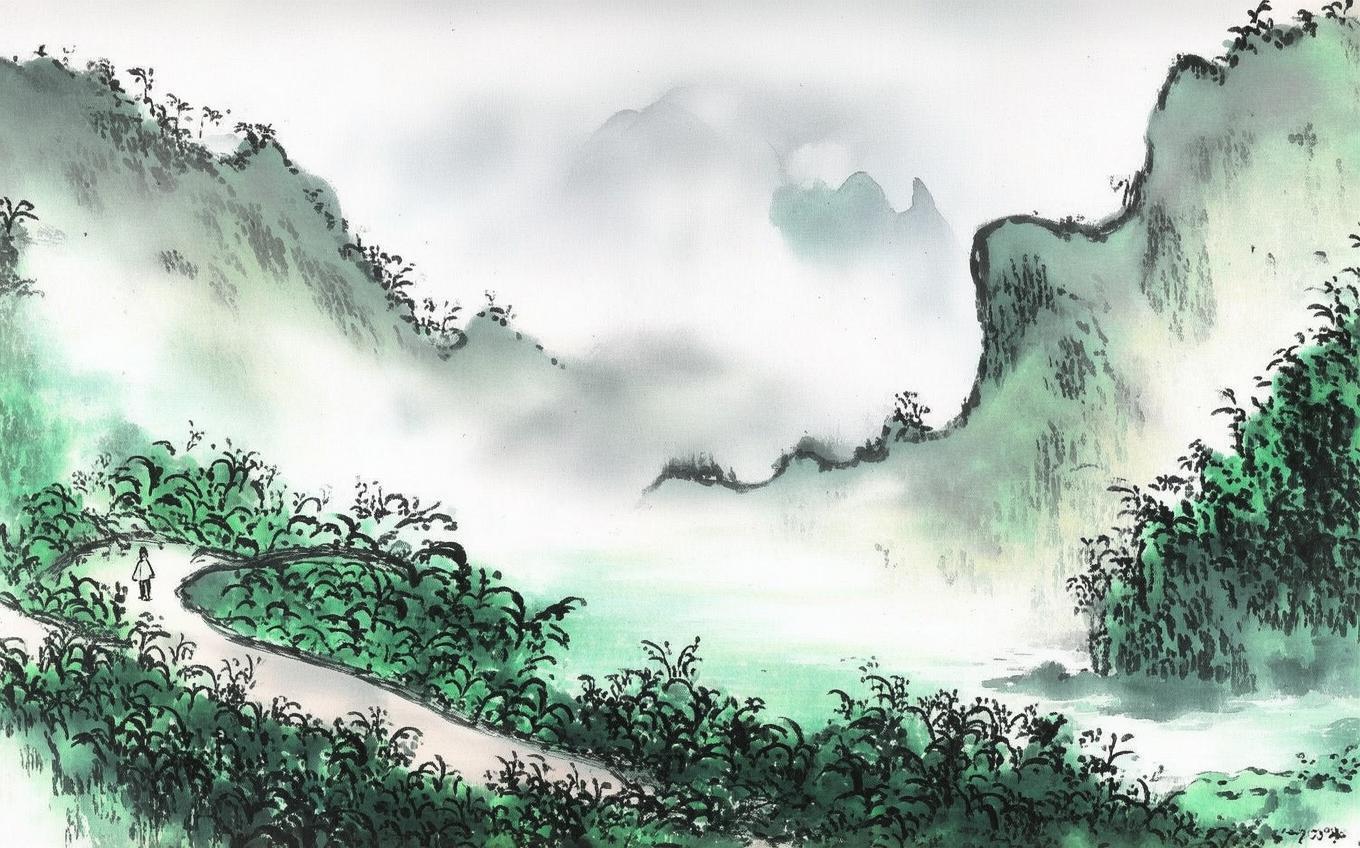
- Painting and Poetry: Wang Wei’s works are called "poetry in painting, painting in poetry" (诗中有画), as his verses create vivid visual imagery.
Conclusion
"早秋山中作" is a masterpiece of quietude and philosophical depth. Wang Wei transforms the simplicity of mountain life into a meditation on time, solitude, and harmony with nature. For modern readers, the poem invites a slower, more reflective way of living—an antidote to today’s chaos. As the white clouds drift through the empty forest, we’re reminded that stillness, not hustle, may be the truest wisdom.
Further Reading:
- The Poetry of Wang Wei (trans. Pauline Yu)
- Nineteen Ways of Looking at Wang Wei (Eliot Weinberger)

Comments (0)
No comments yet. Be the first to comment!