Analysis of "阳关三叠" - Classical Chinese Poetry
Introduction
"阳关三叠" (Yáng Guān Sān Dié), also known as "Three Variations on the Yang Pass," is a famous farewell song from the Tang Dynasty (618–907 AD). Though not originally a poem, it is deeply rooted in Chinese poetic tradition, inspired by Wang Wei’s (王维) renowned farewell poem "送元二使安西" ("Sòng Yuán Èr Shǐ Ān Xī"). The song became a cultural symbol of parting and nostalgia, often performed at farewell gatherings.
This piece holds immense significance in Chinese literature and music, embodying the deep emotions of separation and the melancholy of long journeys—a recurring theme in classical Chinese poetry.
The Poem: Full Text and Translation
The lyrics of "阳关三叠" are based on Wang Wei’s original poem, expanded into three stanzas (hence "three variations"). Below is the core text:
渭城朝雨浥轻尘
Wèi chéng zhāo yǔ yì qīng chén
The morning rain in Weicheng dampens the light dust,客舍青青柳色新
Kè shè qīng qīng liǔ sè xīn
The inn is green with fresh willows.劝君更尽一杯酒
Quàn jūn gèng jìn yī bēi jiǔ
I urge you to drink one more cup of wine,西出阳关无故人
Xī chū yáng guān wú gù rén
West of the Yang Pass, you’ll find no old friends.
The song repeats and expands upon these lines, adding variations to deepen the emotional weight.
Line-by-Line Analysis
-
"渭城朝雨浥轻尘"
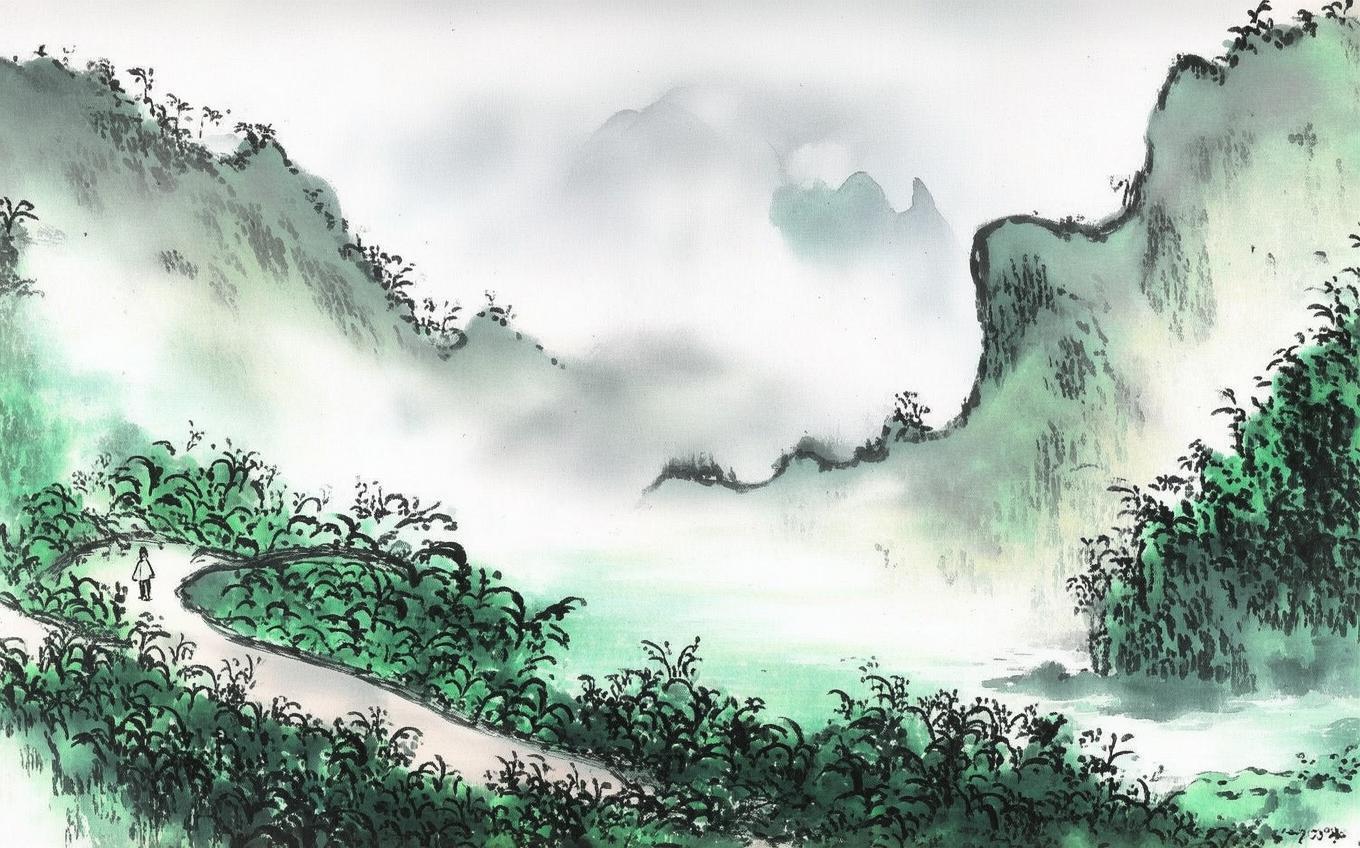
- The opening sets a tranquil yet somber scene: a light rain in Weicheng (a city near the ancient capital Chang’an) washes away dust, symbolizing purification before a journey. -
"客舍青青柳色新"
- The green willows by the inn represent both spring’s vitality and the sorrow of parting (liǔ 柳 sounds like liú 留, meaning "to stay"). -
"劝君更尽一杯酒"
- A heartfelt plea to share one last drink, emphasizing the bond between friends. Wine in Chinese culture often accompanies farewells, sealing memories. -
"西出阳关无故人"
- The Yang Pass was a remote frontier; beyond it lay the unknown. The line underscores loneliness and the fear of losing familiar connections.
Themes and Symbolism
1. Farewell and Separation
- The poem captures the universal pain of parting, heightened by the uncertainty of reunion.
2. Nature’s Transience
- Rain and willows mirror human emotions—ephemeral yet deeply felt.
3. Friendship and Loyalty
- The insistence on sharing wine reflects Confucian values of camaraderie and duty.
Key Symbols:
- Willows (柳): A traditional symbol of farewell.
- Yang Pass (阳关): A metaphorical boundary between safety and the unknown.
Cultural Context
During the Tang Dynasty, the Silk Road made Yang Pass a gateway to Central Asia. Officials and merchants often departed from here, facing perilous journeys. Wang Wei’s poem, adapted into "阳关三叠", became a cultural touchstone for expressing the bittersweet nature of farewells.
The "three variations" structure in music and poetry allowed performers to layer emotions, making the piece a staple in Chinese artistic tradition.
Conclusion
"阳关三叠" is a masterpiece of emotional depth, blending natural imagery with human longing. Its themes of separation and friendship remain timeless, resonating across cultures. Today, it reminds us of the enduring power of connection—even in the face of distance.
As you listen to its melancholic melody or read Wang Wei’s verses, you’re sharing in a tradition that has moved hearts for over a millennium.


Comments (0)
No comments yet. Be the first to comment!