
Analysis of "碧玉箫" - Classical Chinese Poetry
Introduction
The poem "碧玉箫" (Bì Yù Xiāo, "Jade Flute") is a beautiful example of classical Chinese poetry, often associated with the imagery of music, nature, and longing. While its exact authorship is debated, it reflects the refined aesthetic of Tang and Song dynasty poetry, where delicate objects like jade flutes symbolized elegance and emotional depth. This poem captures the melancholic beauty of music and its power to evoke memories and unspoken feelings.
The Poem: Full Text and Translation
碧玉箫
Bì Yù Xiāo
Jade Flute碧玉箫声远
Bì yù xiāo shēng yuǎn
The sound of the jade flute drifts far away,清风送晚愁
Qīngfēng sòng wǎn chóu
A light breeze carries evening sorrow.曲终人不见
Qǔ zhōng rén bú jiàn
The song ends, but the player is nowhere seen,江上数峰青
Jiāng shàng shù fēng qīng
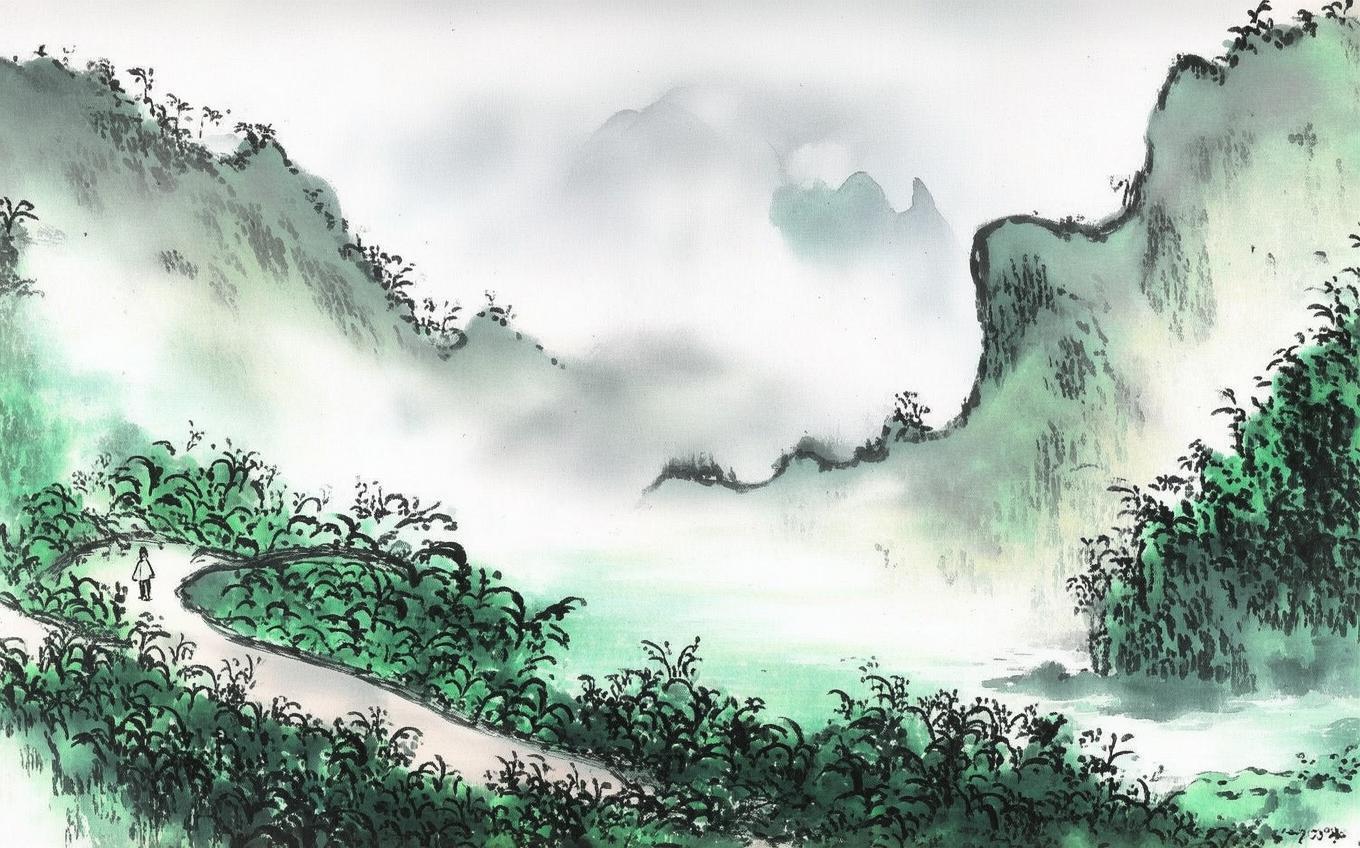
Only the green peaks stand by the river.
Line-by-Line Analysis
-
碧玉箫声远 (The sound of the jade flute drifts far away)
- The "jade flute" symbolizes refinement and artistry. The distant sound suggests fading memories or an intangible presence. -
清风送晚愁 (A light breeze carries evening sorrow)
- The breeze acts as a messenger of melancholy, reinforcing the fleeting nature of beauty and time. -
曲终人不见 (The song ends, but the player is nowhere seen)
- This line evokes a sense of absence—perhaps a lost love, a departed friend, or an unfulfilled wish. -
江上数峰青 (Only the green peaks stand by the river)
- Nature remains unchanged, contrasting with human transience. The "green peaks" symbolize endurance and solitude.
Themes and Symbolism
- Transience and Longing: The poem explores the ephemeral nature of music and emotion, leaving the listener in quiet yearning.
- Nature as Witness: The river and mountains serve as silent observers, emphasizing the smallness of human sorrow against eternity.
- Jade Flute Symbolism: In Chinese culture, jade represents purity and permanence, while the flute signifies artistic expression—here, they merge into a bittersweet metaphor.
Cultural Context
During the Tang and Song dynasties, poetry often intertwined music and landscape to express emotions indirectly. The "jade flute" was a common motif in literati culture, representing both artistic skill and emotional depth. This poem aligns with the classical Chinese aesthetic of yìjìng (意境)—creating a mood through subtle imagery rather than explicit statement.
Conclusion
"碧玉箫" is a delicate meditation on beauty, loss, and the passage of time. Its quiet elegance resonates across centuries, reminding us that some emotions are best expressed through the spaces between words—just like the lingering notes of a distant flute. For modern readers, it offers a moment of reflection on what remains when the music fades.

Comments (0)
No comments yet. Be the first to comment!