Analysis of "拨不断" - Classical Chinese Poetry
Introduction
"拨不断" (Bō Bù Duàn) is a famous sanqu (散曲) poem by Ma Zhiyuan (马致远), a prominent poet and playwright of the Yuan Dynasty (1271–1368). Sanqu was a popular form of lyrical poetry during the Yuan Dynasty, often set to music and known for its emotional depth and vivid imagery.
Ma Zhiyuan is celebrated for his melancholic and philosophical reflections on life, nature, and human solitude. "拨不断" is one of his most renowned works, expressing a sense of detachment and quiet contemplation amid the natural world. The poem reflects Daoist and Buddhist influences, emphasizing harmony with nature and the transience of worldly concerns.
The Poem: Full Text and Translation
拨不断
Bō Bù Duàn
Unbroken Melody枯藤老树昏鸦
Kū téng lǎo shù hūn yā
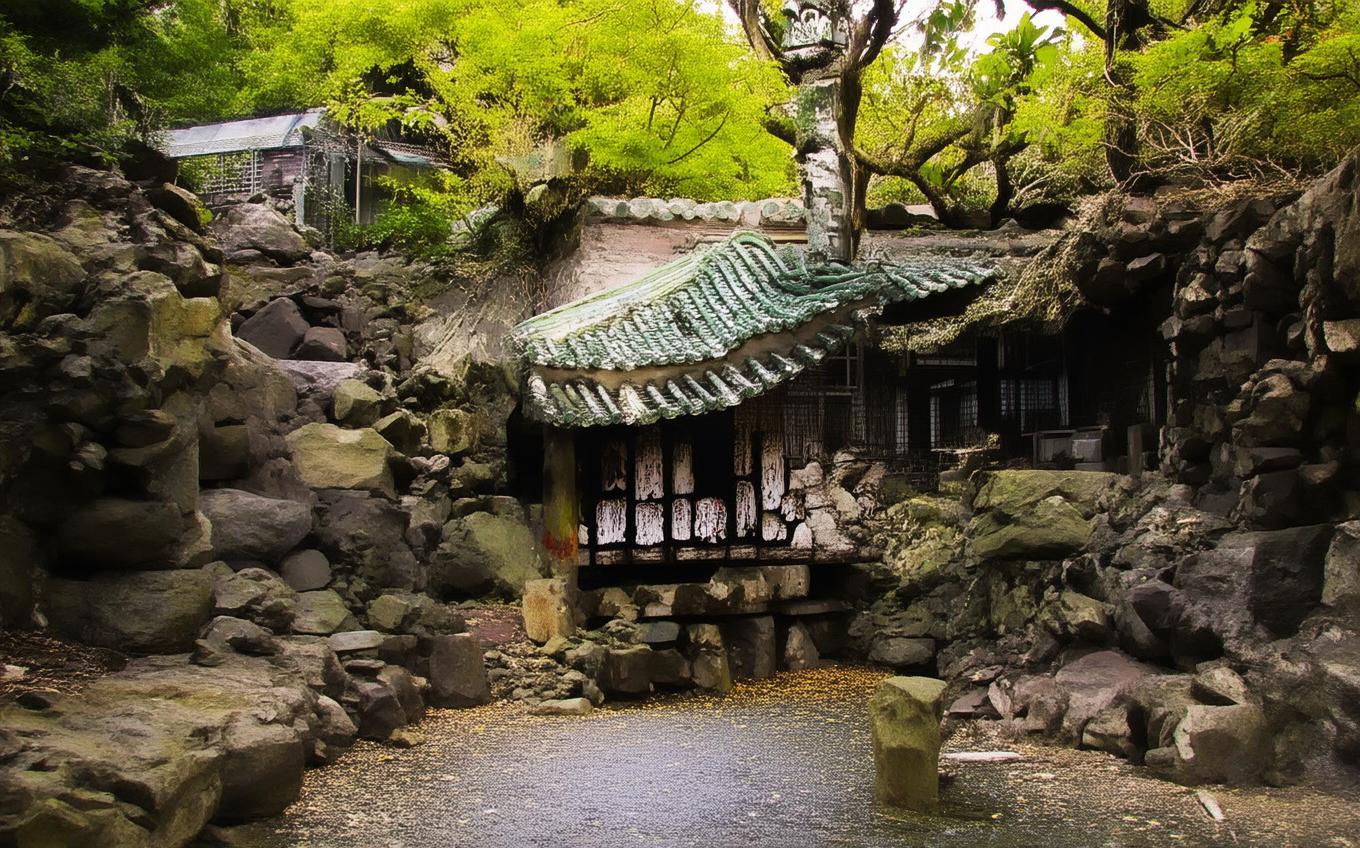
Withered vines, ancient trees, crows at dusk,小桥流水人家
Xiǎo qiáo liú shuǐ rén jiā
A small bridge, flowing water, a rustic home,古道西风瘦马
Gǔ dào xī fēng shòu mǎ
An old road, west wind, a lean horse,夕阳西下
Xī yáng xī xià
The setting sun sinks westward,断肠人在天涯
Duàn cháng rén zài tiān yá
A heartbroken wanderer at the world’s edge.
Line-by-Line Analysis
-
"Withered vines, ancient trees, crows at dusk"
- The opening line paints a desolate autumn scene. The "withered vines" and "ancient trees" suggest decay and the passage of time, while the "crows at dusk" evoke loneliness and foreboding. -
"A small bridge, flowing water, a rustic home"
- This line contrasts with the first—while still serene, it introduces human presence ("rustic home"). The flowing water symbolizes life’s continuity, yet the simplicity of the scene hints at solitude. -
"An old road, west wind, a lean horse"
- The "old road" suggests a journey, possibly endless or forgotten. The "west wind" (often associated with autumn) reinforces melancholy, and the "lean horse" implies exhaustion and hardship. -
"The setting sun sinks westward"
- The sunset symbolizes endings—perhaps of a day, a life, or an era. It deepens the mood of resignation and impermanence. -
"A heartbroken wanderer at the world’s edge"
- The final line reveals the speaker’s sorrow and isolation. "At the world’s edge" suggests extreme loneliness, as if the wanderer is cut off from society and comfort.
Themes and Symbolism
- Transience and Solitude: The poem captures the fleeting nature of life through autumnal imagery (withered vines, setting sun). The wanderer’s isolation reflects a universal human experience of alienation.
- Harmony with Nature: Despite the melancholy tone, the poem suggests a quiet acceptance of nature’s cycles, aligning with Daoist principles of yielding to the natural order.
- Journey as Metaphor: The "old road" and "lean horse" symbolize life’s hardships, while the "world’s edge" implies existential searching.
Cultural Context
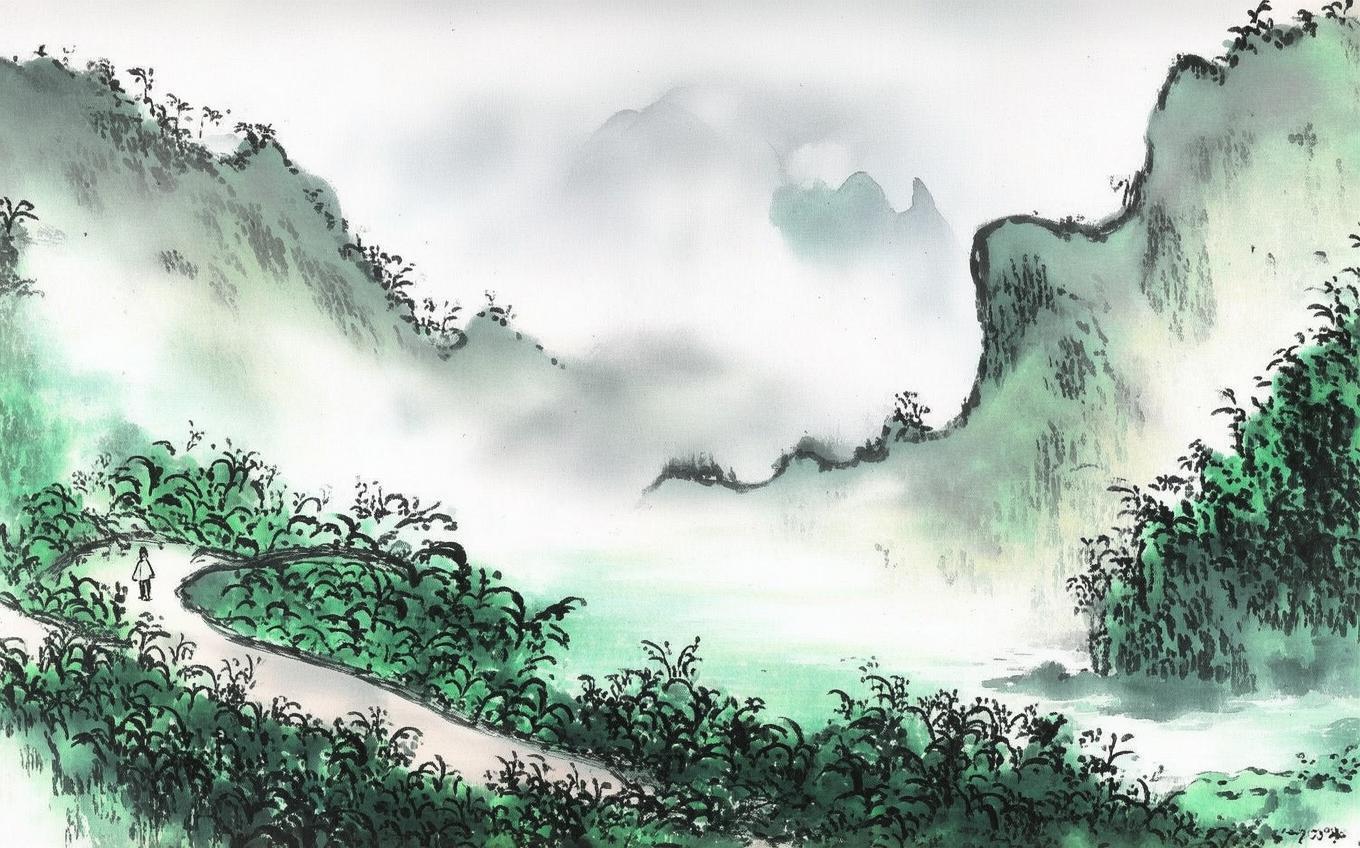
During the Yuan Dynasty, many scholars and poets like Ma Zhiyuan faced political turmoil under Mongol rule. Some withdrew from public life, turning to nature and art for solace. "拨不断" reflects this retreat—its sparse beauty conveys both sorrow and a meditative calm.
The poem also embodies yijing (意境), a key concept in Chinese aesthetics where emotion and scenery blend seamlessly. The wanderer’s grief is not stated directly but felt through the landscape.
Conclusion
"拨不断" is a masterpiece of economy and depth, using minimal words to evoke profound emotion. Its portrayal of solitude resonates across cultures, reminding us of life’s impermanence and the solace found in nature.
Today, the poem remains timeless—whether read as a lament or a quiet meditation, it invites reflection on our own journeys and the beauty of fleeting moments.

Comments (0)
No comments yet. Be the first to comment!