Analysis of "凭阑人" - Classical Chinese Poetry
Introduction
The poem 凭阑人 (Píng Lán Rén – "The Leaning-On-the-Railing One") is a short but poignant lyric from the Yuan dynasty (1271–1368), a period known for its flourishing sanqu (散曲), a type of classical Chinese poetry set to music. Though the poet’s name is lost to history, this piece remains a gem of Yuan lyricism, capturing a moment of quiet melancholy and longing.
This poem exemplifies the introspective beauty of Chinese lyric poetry, where a simple scene—someone leaning on a railing—becomes a vessel for deep emotion. It reflects the Yuan dynasty’s shift toward more personal, emotional expression in poetry, moving away from the rigid formalism of earlier dynasties.
The Poem: Full Text and Translation
凭阑人
Píng lán rén
The Leaning-On-the-Railing One瘦马驮诗天一涯,
Shòu mǎ tuó shī tiān yì yá,
A lean horse carries my poems to the ends of the earth,倦鸟呼愁村数家。
Juàn niǎo hū chóu cūn shù jiā.
A weary bird cries sorrow near a scattering of village homes.扑头飞柳花,
Pū tóu fēi liǔ huā,
Willow catkins flutter against my face,与人添鬓华。
Yǔ rén tiān bìn huá.
Adding silver strands to my hair.
Line-by-Line Analysis
-
"A lean horse carries my poems to the ends of the earth"
- The "lean horse" suggests hardship and long travel, a common metaphor in Chinese poetry for a wandering scholar or exile.
- "Poems" symbolize the poet’s thoughts and emotions, scattered far and wide, perhaps unheard or unappreciated. -
"A weary bird cries sorrow near a scattering of village homes"
- The "weary bird" mirrors the poet’s own exhaustion and loneliness.
- The "scattering of village homes" evokes a desolate landscape, reinforcing isolation. -
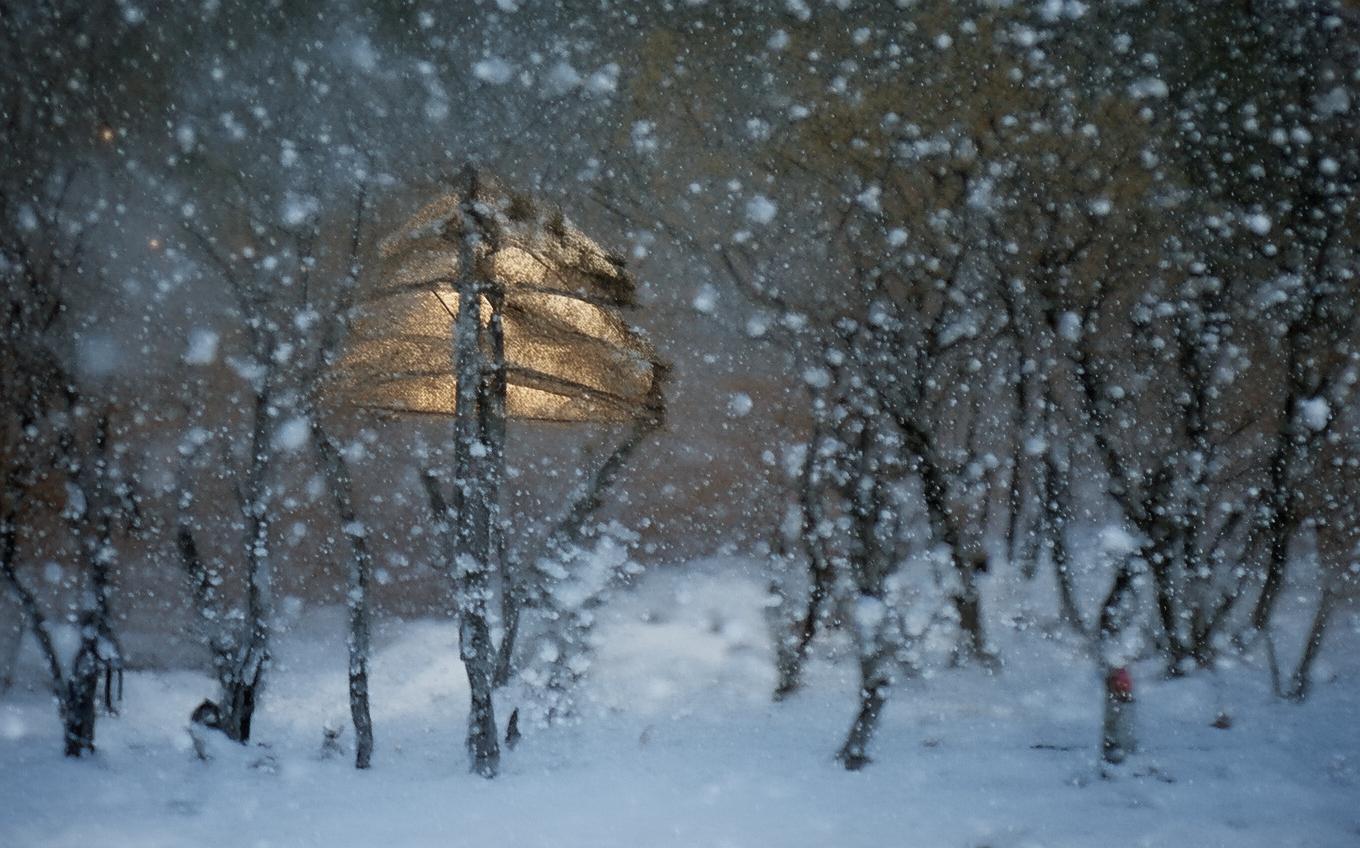
"Willow catkins flutter against my face"
- Willow catkins (柳花 liǔ huā) are a traditional symbol of fleeting time and spring’s melancholy beauty.
- Their touch is gentle but carries weight—like the passage of time itself. -
"Adding silver strands to my hair"
- The willow catkins seem to blend with the poet’s graying hair, a metaphor for aging and sorrow.
- The image suggests that nature itself conspires to remind the poet of time’s relentless march.
Themes and Symbolism
Loneliness and Transience
The poem captures a traveler’s weariness, both physical and emotional. The "lean horse" and "weary bird" symbolize a life of wandering, while the willow catkins represent ephemeral beauty and inevitable aging.
Nature as a Mirror of Emotion
Chinese poetry often uses nature to reflect inner states. Here, the desolate village, the crying bird, and the drifting catkins all externalize the poet’s melancholy.
The Weight of Time
The final line is especially powerful—the willow catkins "add silver strands," suggesting that sorrow and time are inseparable.
Cultural Context
The Yuan dynasty was a time of political upheaval, with many Han Chinese scholars feeling displaced under Mongol rule. Poetry became an outlet for quiet resistance and personal reflection. Sanqu poetry, like this piece, was often sung or recited, blending literary elegance with raw emotion.
The image of "leaning on the railing" (凭阑 píng lán) was a common trope in Chinese poetry, symbolizing contemplation, longing, or helplessness—much like Hamlet’s "To be or not to be" soliloquy in Western literature.
Conclusion
凭阑人 is a masterclass in brevity and emotional depth. In just four lines, it conveys the universal human experience of solitude, the passage of time, and the quiet beauty of sorrow. For modern readers, it serves as a reminder that poetry—whether from 13th-century China or today—can capture the most profound emotions in the simplest of images.
As we read it now, we too lean on that railing, gazing at willow catkins and feeling the weight of years. That is the enduring power of Chinese classical poetry.

Comments (0)
No comments yet. Be the first to comment!