Analysis of "送李端公" - Classical Chinese Poetry
Introduction
"送李端公" (Sòng Lǐ Duāngōng, "Farewell to Official Li") is a poignant farewell poem written by the Tang Dynasty poet Lú Lún (卢纶, 739–799). A prominent figure in the Mid-Tang literary circle, Lú Lún was known for his refined style and emotional depth, often capturing the melancholy of separation and the harsh realities of frontier life.
This poem reflects the classical Chinese tradition of farewell poetry (送别诗, sòngbié shī), a genre expressing the sorrow and affection between friends or colleagues parting ways. Set against a wintry landscape, the poem conveys both personal grief and the broader uncertainties of life during the Tang Dynasty.
The Poem: Full Text and Translation
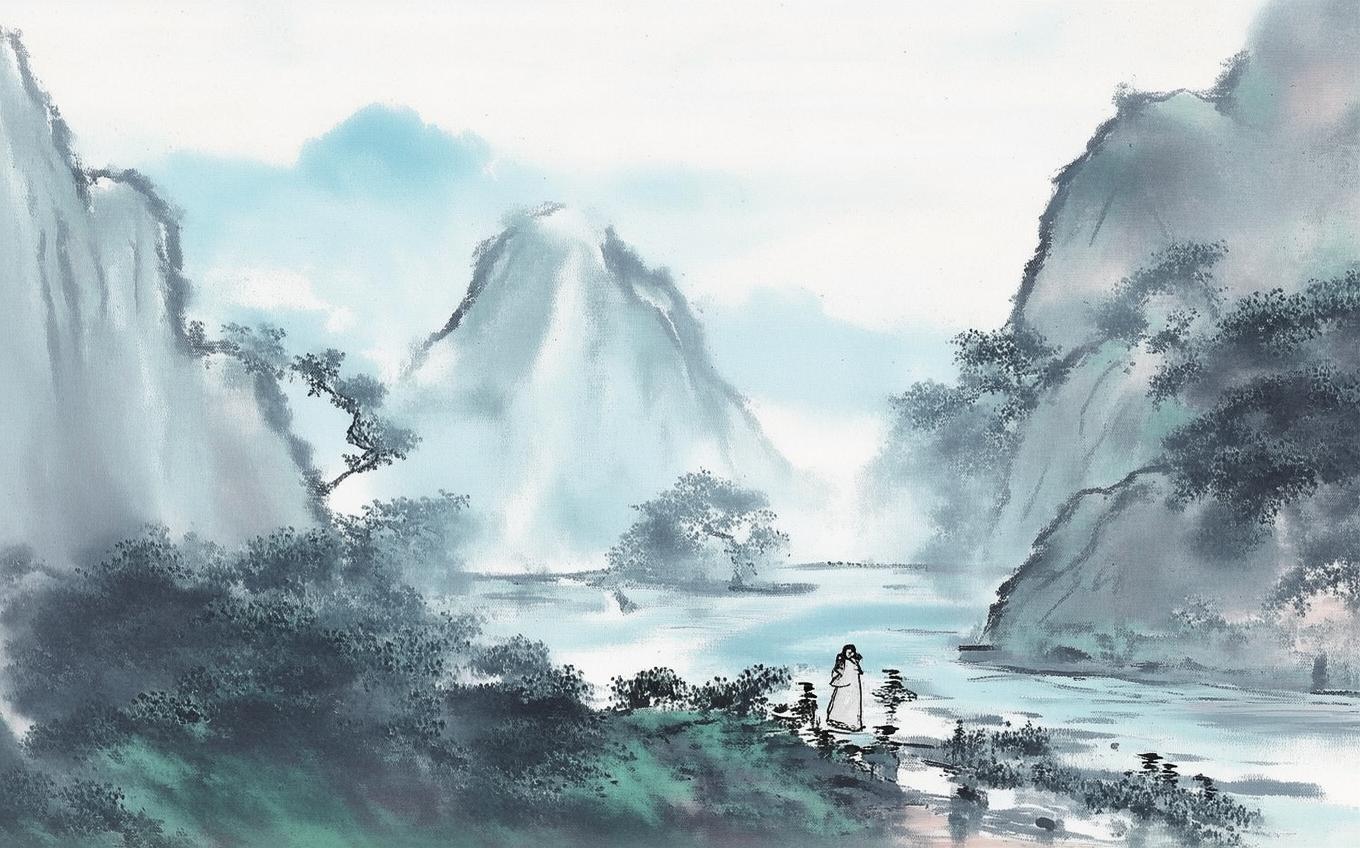
故关衰草遍
Gù guān shuāi cǎo biàn
Withered grasses spread across the old fortress离别自堪悲
Líbié zì kān bēi
Parting is naturally sorrowful路出寒云外
Lù chū hán yún wài
Your path vanishes beyond the cold clouds人归暮雪时
Rén guī mù xuě shǐ
I return as evening snow begins to fall少孤为客早
Shǎo gū wéi kè zǎo
Orphaned young, I wandered early多难识君迟
Duō nàn shí jūn chí
Amidst hardships, I met you too late掩泪空相向
Yǎn lèi kōng xiāng xiàng
In vain, I face you with hidden tears风尘何所期
Fēngchén hé suǒ qī
What hope remains in this dusty world?
Line-by-Line Analysis
-
"Withered grasses spread across the old fortress"
- The "old fortress" symbolizes desolation and the passage of time. The "withered grasses" evoke decay, setting a somber tone for the farewell. -
"Parting is naturally sorrowful"
- A universal sentiment in Chinese poetry, emphasizing the inevitability of grief in separation. -
"Your path vanishes beyond the cold clouds"
- The "cold clouds" suggest both the physical distance and emotional chill of departure. The friend’s journey seems endless and uncertain. -
"I return as evening snow begins to fall"
- The "evening snow" adds to the loneliness, mirroring the speaker’s isolation after the farewell. -
"Orphaned young, I wandered early"
- The speaker reflects on their own hardships, hinting at a life marked by loss and instability. -
"Amidst hardships, I met you too late"
- A lament that their friendship was brief, intensified by the struggles they endured before meeting. -
"In vain, I face you with hidden tears"
- The word "vain" (kōng) underscores the futility of resisting fate. Tears are "hidden," a nod to Confucian restraint in expressing emotion. -
"What hope remains in this dusty world?"
- "Dusty world" (fēngchén) refers to the turmoil of life. The rhetorical question conveys despair about the future.
Themes and Symbolism
-
Transience and Separation
- The poem dwells on the inevitability of parting, a recurring theme in Tang poetry. The imagery of decay (grass, snow) reinforces life’s impermanence. -
Friendship and Loneliness
- The bond between the speaker and Li Duāngōng is precious precisely because it is fleeting. The speaker’s orphanhood amplifies their sense of abandonment. -
Nature as Emotion
- The wintry landscape mirrors inner desolation—clouds, snow, and withered grass externalize sorrow.
Cultural Context
- Tang Dynasty Farewells: Partings were especially poignant in Tang society, where officials were frequently reassigned to distant posts. Poetry served as a emotional anchor.
- Confucian Stoicism: The speaker’s "hidden tears" reflect the Confucian ideal of emotional restraint, even in grief.
- Buddhist Influence: The question "What hope remains?" hints at Buddhist themes of life’s suffering (dukkha) and impermanence.
Conclusion
"送李端公" is a masterclass in economy of language—each image and phrase layers sorrow without excess. Its power lies in its universality: the ache of separation, the fragility of human connections, and the search for meaning in a turbulent world.
Today, the poem resonates with anyone who has bid farewell to a loved one, reminding us that grief, like the "evening snow," is both beautiful and transient. In Lú Lún’s words, we find solace: even in sorrow, there is poetry.


Comments (0)
No comments yet. Be the first to comment!