Analysis of "送李中丞归汉阳别业" - Classical Chinese Poetry
Introduction
"送李中丞归汉阳别业" (Sòng Lǐ Zhōngchéng Guī Hànyáng Biéyè) is a farewell poem written by the Tang Dynasty poet Liu Changqing (刘长卿, 709–785). Liu was known for his refined and melancholic style, often writing about separation, exile, and the quiet beauty of nature. This poem reflects the deep friendship between the poet and Li Zhongcheng, a high-ranking official returning to his estate in Hanyang.
Farewell poems (送别诗) were a significant genre in Tang Dynasty literature, as parting was a common and emotionally charged experience in ancient China due to slow travel and uncertain reunions. Liu Changqing's work stands out for its restrained emotion and elegant simplicity.
The Poem: Full Text and Translation
流落征南将
Liúluò zhēng nán jiàng
A general who campaigned south, now wandering lost
曾驱十万师
Céng qū shí wàn shī
Once commanded a hundred thousand troops
罢归无旧业
Bà guī wú jiù yè
Returns from office to no former estate
老去恋明时
Lǎo qù liàn míng shí
In old age, still longs for the enlightened era
独立三边静
Dúlì sān biān jìng
Alone he pacified three frontiers
轻生一剑知
Qīngshēng yī jiàn zhī
His sword alone knows his fearless spirit
茫茫江汉上
Mángmáng jiāng hàn shàng
On the vast Yangtze and Han rivers
日暮欲何之
Rìmù yù hé zhī
At sunset, where will he go?
Line-by-Line Analysis
-
"A general who campaigned south, now wandering lost"
The poem opens with a stark contrast between past glory and present aimlessness. The verb "流落" (liúluò) suggests both physical displacement and emotional desolation. -
"Once commanded a hundred thousand troops"
The grandeur of the past is emphasized with "十万师" (shí wàn shī), highlighting the general's former power and prestige.
3-4. "Returns from office to no former estate / In old age, still longs for the enlightened era"
These lines reveal the general's poverty and nostalgia. "明时" (míng shí) refers to a golden age of good governance, suggesting both personal and political loss.
5-6. "Alone he pacified three frontiers / His sword alone knows his fearless spirit"
The imagery of solitary heroism is powerful. "三边" (sān biān) refers to border regions, while the sword becomes a symbol of both martial prowess and silent witness to his sacrifices.
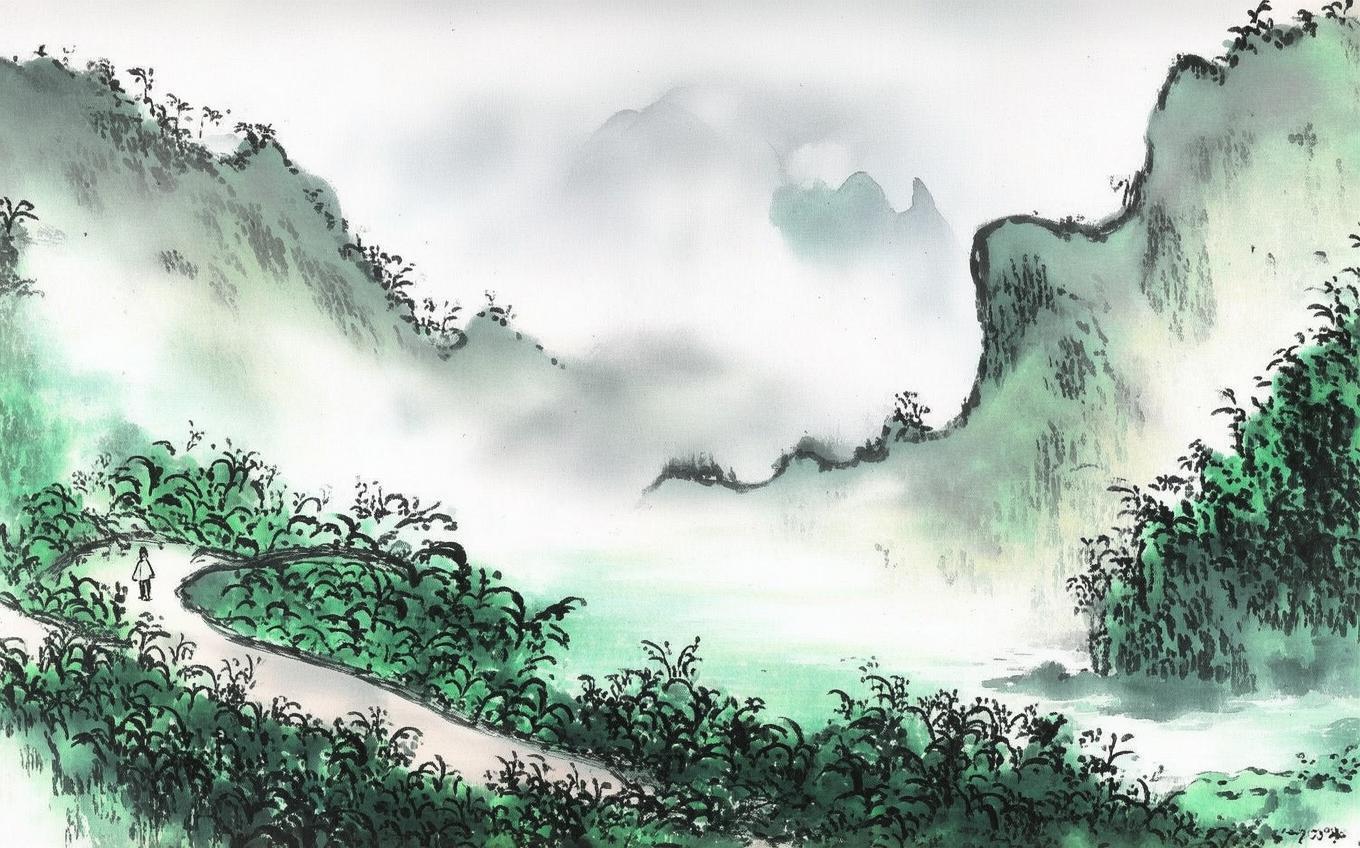
7-8. "On the vast Yangtze and Han rivers / At sunset, where will he go?"
The closing couplet paints a picture of existential uncertainty. The "茫茫" (mángmáng) rivers represent life's endless flow, while the sunset symbolizes the general's twilight years.
Themes and Symbolism
-
The Transience of Glory
The poem contrasts military achievement with present obscurity, a common theme in Tang poetry reflecting on the impermanence of worldly success. -
Loyalty and Service
The general's continued attachment to "the enlightened era" symbolizes Confucian ideals of loyal service, even when unrewarded. -
Solitude in Nature
The rivers and sunset create a landscape that mirrors the general's inner state - vast, beautiful, but ultimately lonely.
Key symbols:
- The sword represents both martial virtue and silent suffering
- Rivers symbolize the relentless flow of time
- Sunset suggests the evening of life
Cultural Context
Written during the Tang Dynasty (618-907 AD), this poem reflects several important cultural aspects:
-
Scholar-Officials
Many Tang poets were government officials like Liu Changqing, creating a tradition of literate statesmen who expressed public and private sentiments through poetry. -
Military-Civilian Tension
The poem subtly critiques how China often failed to properly honor military heroes in peacetime, a recurring theme in Chinese history. -
Daoist Influences
The closing natural imagery reflects Daoist ideas about humanity's small place in the vast universe, while the overall tone shows Buddhist influences on accepting life's impermanence.
Conclusion
"送李中丞归汉阳别业" masterfully captures the bittersweet reality of aging heroes in a world that quickly forgets their contributions. Liu Changqing's economical style - saying much with few words - creates profound resonance. The poem's depiction of loyalty, loss, and quiet dignity remains remarkably relevant today, speaking to anyone who has experienced the gap between their efforts and life's rewards.
In just eight lines, we witness an entire life's arc - from command to obscurity, from action to contemplation. This is the enduring power of classical Chinese poetry: to compress universal human experiences into perfectly crafted moments that transcend time and culture.

Comments (0)
No comments yet. Be the first to comment!