
Analysis of "饯别王十一南游" - Classical Chinese Poetry
Introduction
The poem "饯别王十一南游" (Jiàn Bié Wáng Shíyī Nán Yóu, Farewell to Wang Shiyi's Southern Journey) was written by the Tang Dynasty poet Liu Changqing (709–785). Liu was known for his refined and melancholic style, often depicting themes of parting, nature, and solitude. This poem is a classic example of Tang Dynasty farewell poetry, a genre that expressed deep emotions when friends or colleagues departed on long journeys.
During the Tang Dynasty, travel was arduous and often dangerous, making farewells particularly poignant. Poetry served as a way to immortalize friendships and convey unspoken emotions. "饯别王十一南游" captures the sorrow of separation while also reflecting on the beauty of nature—a hallmark of classical Chinese poetry.
The Poem: Full Text and Translation
望君烟水阔
Wàng jūn yān shuǐ kuò
Gazing at you where mist and water stretch wide,挥手泪沾巾
Huī shǒu lèi zhān jīn
Waving my hand, tears soak my handkerchief.飞鸟没何处
Fēi niǎo mò hé chù
Where will the flying bird disappear?青山空向人
Qīng shān kōng xiàng rén
Green mountains stand empty before me.长江一帆远
Cháng jiāng yī fān yuǎn
A lone sail drifts far on the Long River,落日五湖春
Luò rì wǔ hú chūn
The setting sun glows on Five Lakes in spring.谁见汀洲上
Shéi jiàn tīng zhōu shàng
Who sees upon the river’s sandy shore,相思愁白蘋
Xiāng sī chóu bái píng
My longing sorrows over white duckweed?
Line-by-Line Analysis
-
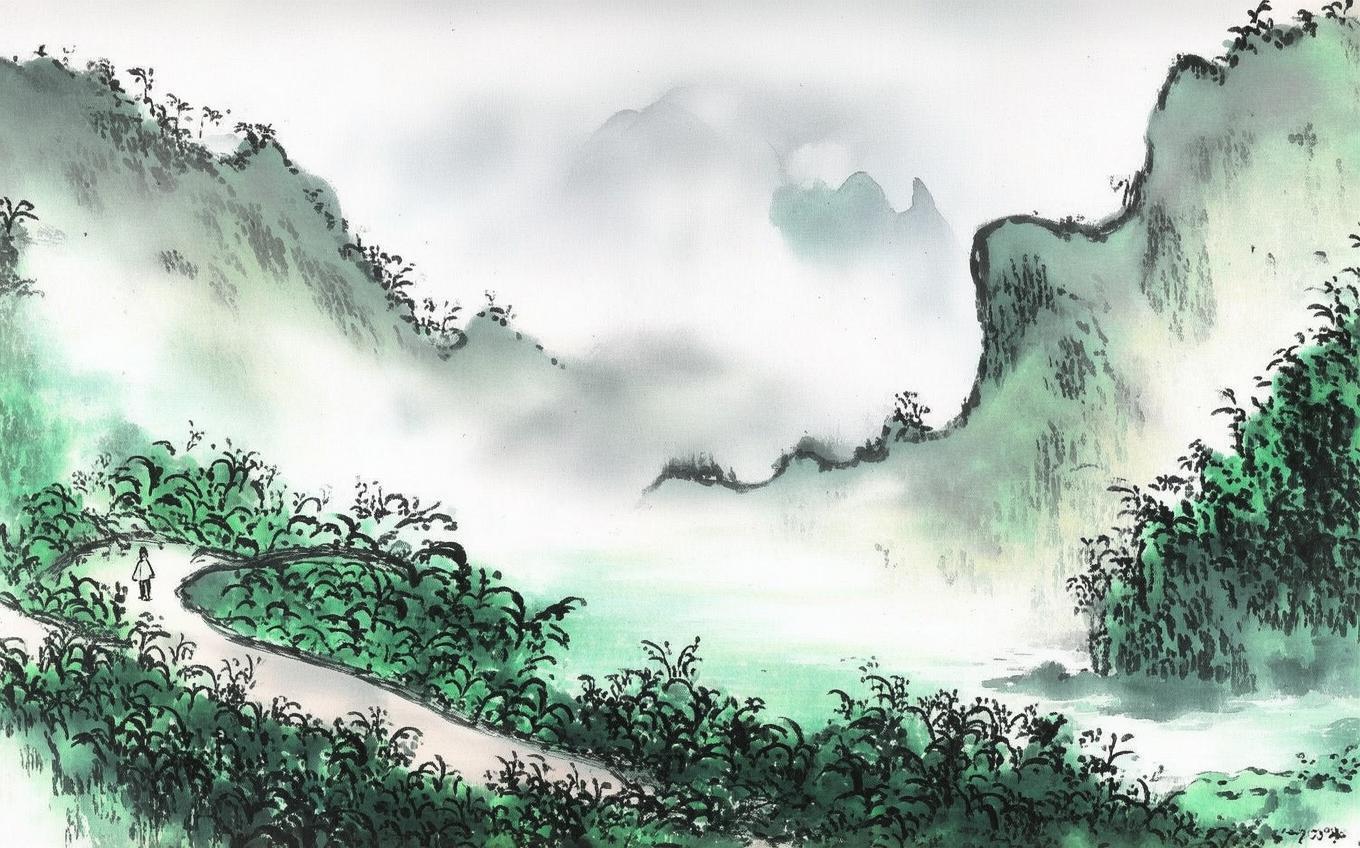
"望君烟水阔" – The opening line sets a vast, misty scene, emphasizing distance and uncertainty. The "mist and water" symbolize the unknown journey ahead.
-
"挥手泪沾巾" – A simple yet powerful gesture: waving goodbye while tears fall. This was a common Tang Dynasty farewell image, conveying deep emotion.
-
"飞鸟没何处" – The "flying bird" represents the departing friend, disappearing into the unknown. The poet wonders where fate will take him.
-
"青山空向人" – The "green mountains" remain, but they feel hollow without the friend’s presence. Nature contrasts with human loneliness.
-
"长江一帆远" – The Yangtze (Long River) symbolizes life’s endless flow. The "lone sail" suggests both solitude and a journey into the distance.
-
"落日五湖春" – The "Five Lakes" (a poetic reference to southern China) glow under the sunset, blending beauty with melancholy.
-
"谁见汀洲上" – The poet stands on a sandbar, unseen and unheard, heightening his isolation.
-
"相思愁白蘋" – "White duckweed" (白蘋) was a traditional symbol of parting in Chinese poetry, reinforcing the sorrow of separation.
Themes and Symbolism
1. Parting and Longing
The poem centers on the pain of farewell (送别 sòngbié), a recurring theme in Tang poetry. The tears, the distant sail, and the white duckweed all evoke deep sorrow.
2. Nature as a Mirror of Emotion
Liu Changqing uses natural imagery—mist, rivers, birds, mountains—to reflect inner feelings. The vast landscape contrasts with human fragility.
3. Transience and Solitude
The fleeting sunset and disappearing bird underscore life’s impermanence, a key concept in Chinese philosophy.
Cultural Context
In Tang Dynasty China, parting poems were exchanged as tokens of friendship. Travel was slow and perilous, so goodbyes carried weight. The poem also reflects Daoist and Buddhist influences, where nature symbolizes the eternal while human life is transient.
The "Five Lakes" (五湖) refer to lakes in Jiangnan, a prosperous and scenic region. Mentioning them evokes both beauty and nostalgia.
Conclusion
"饯别王十一南游" is a masterpiece of emotional depth and natural imagery. Liu Changqing captures the universal experience of saying goodbye—melancholic yet beautiful. Even today, readers resonate with its themes of separation, longing, and the passage of time.
This poem reminds us that while journeys may part us, poetry keeps connections alive across centuries.
Would you like to explore more Tang Dynasty farewell poems? Let me know in the comments!


Comments (0)
No comments yet. Be the first to comment!