Analysis of "巴陵送李十二" - Classical Chinese Poetry
Introduction
The poem "巴陵送李十二" (Bālíng Sòng Lǐ Shí'èr) was written by the Tang Dynasty poet Wang Changling (王昌龄, 698–757), one of the most celebrated figures in classical Chinese poetry. Known for his mastery of the jueju (绝句, quatrain) form, Wang often explored themes of friendship, parting, and the melancholy of separation. This particular poem reflects the deep emotional bonds between friends in ancient China, set against the backdrop of the Yangtze River and the autumn season.
The Poem: Full Text and Translation
Here is the full text of the poem, along with pinyin and an English translation:
巴陵送李十二
Bālíng Sòng Lǐ Shí'èr
Seeing Off Li the Twelfth at Baling摇曳巴陵洲渚分
Yáoyè Bālíng zhōu zhǔ fēn
The islets of Baling sway in the river's parting flow,清江传语便风闻
Qīng jiāng chuán yǔ biàn fēng wén
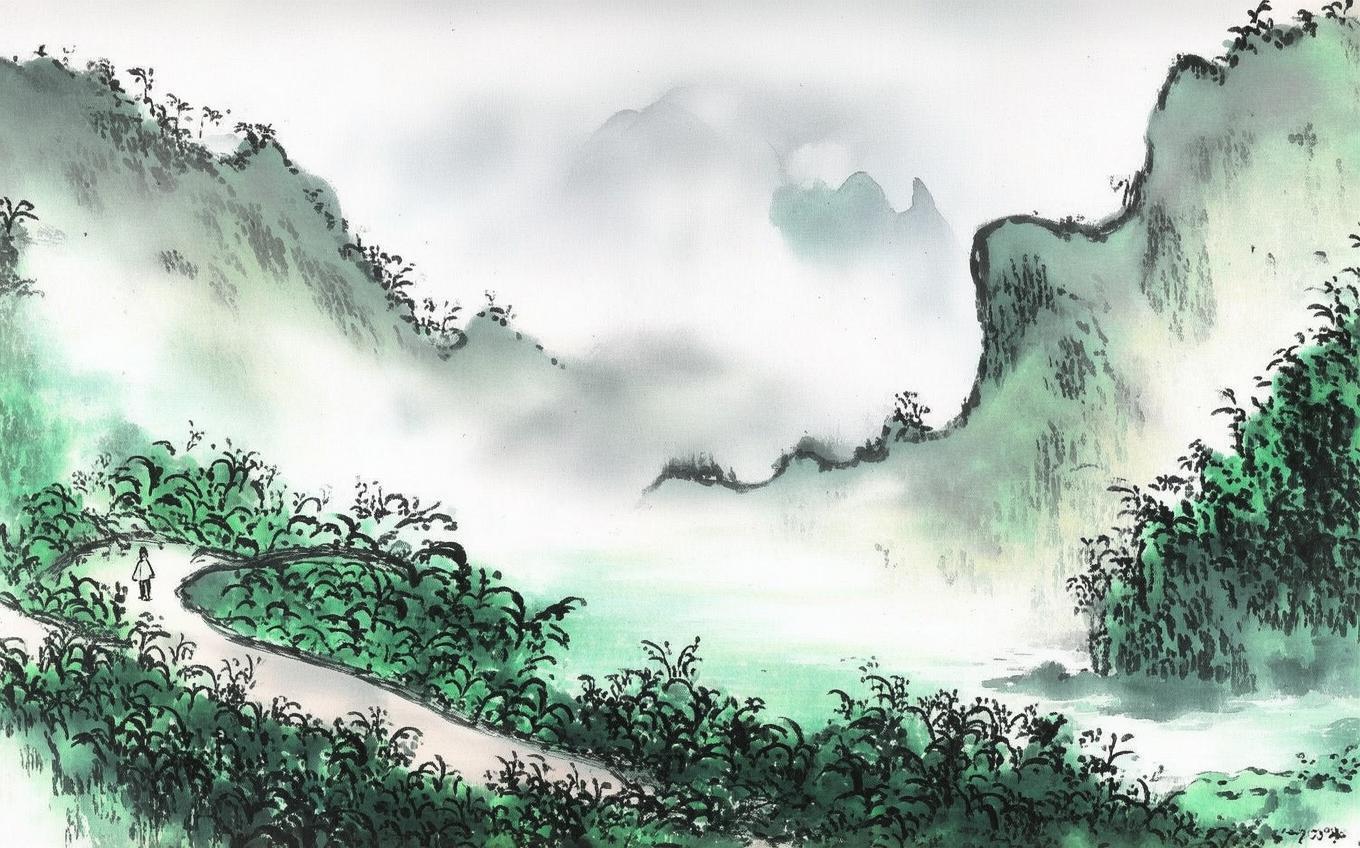
The clear river carries words where the fair winds blow.山长不见秋城色
Shān cháng bù jiàn qiū chéng sè
The long mountains hide the autumn town from sight,日暮蒹葭空水云
Rìmù jiānjiā kōng shuǐ yún
At dusk, only reeds and clouds drift in fading light.
Line-by-Line Analysis
-
摇曳巴陵洲渚分
- The opening line sets the scene at Baling (modern Yueyang), where the river divides around small islets. The word "摇曳" (yáoyè, "swaying") suggests movement, perhaps mirroring the poet's unsettled emotions as he bids farewell. -
清江传语便风闻
- The "clear river" symbolizes clarity of friendship, while "传语" (chuán yǔ, "carry words") implies messages sent across distances. The wind aids in spreading these words, reinforcing the theme of connection despite separation. -
山长不见秋城色
- The "long mountains" obscure the view of the town, emphasizing distance and the inevitability of parting. Autumn, a season of decline, deepens the mood of melancholy. -
日暮蒹葭空水云
- The closing image of reeds (jiānjiā) and water clouds evokes the Book of Songs (《诗经》), where reeds symbolize longing. The emptiness (kōng) suggests solitude after a friend's departure.
Themes and Symbolism
- Friendship and Separation: The poem captures the sorrow of farewell, a common theme in Tang poetry. The river and wind act as messengers, bridging the gap between friends.
- Nature as Emotion: Autumn and dusk symbolize transience, while the reeds allude to classical Chinese literary traditions of yearning.
- Journey and Distance: The obscured town and endless mountains emphasize the vastness of the world and the difficulty of reunions.
Cultural Context
During the Tang Dynasty (618–907), parting poems (sòngbié shī) were a cherished literary form, often exchanged between scholars and officials. Wang Changling wrote during a golden age of poetry, where nature and human emotion were intricately linked. The reference to reeds ties the poem to Confucian classics, showing how poets drew from tradition to express personal feelings.
Conclusion
"巴陵送李十二" is a poignant meditation on friendship and the passage of time. Through vivid natural imagery and classical allusions, Wang Changling transforms a personal moment of farewell into a universal reflection on connection and loss. For modern readers, the poem remains a testament to the enduring beauty of Chinese poetic expression—where rivers, mountains, and reeds carry the weight of human emotion across centuries.

Comments (0)
No comments yet. Be the first to comment!