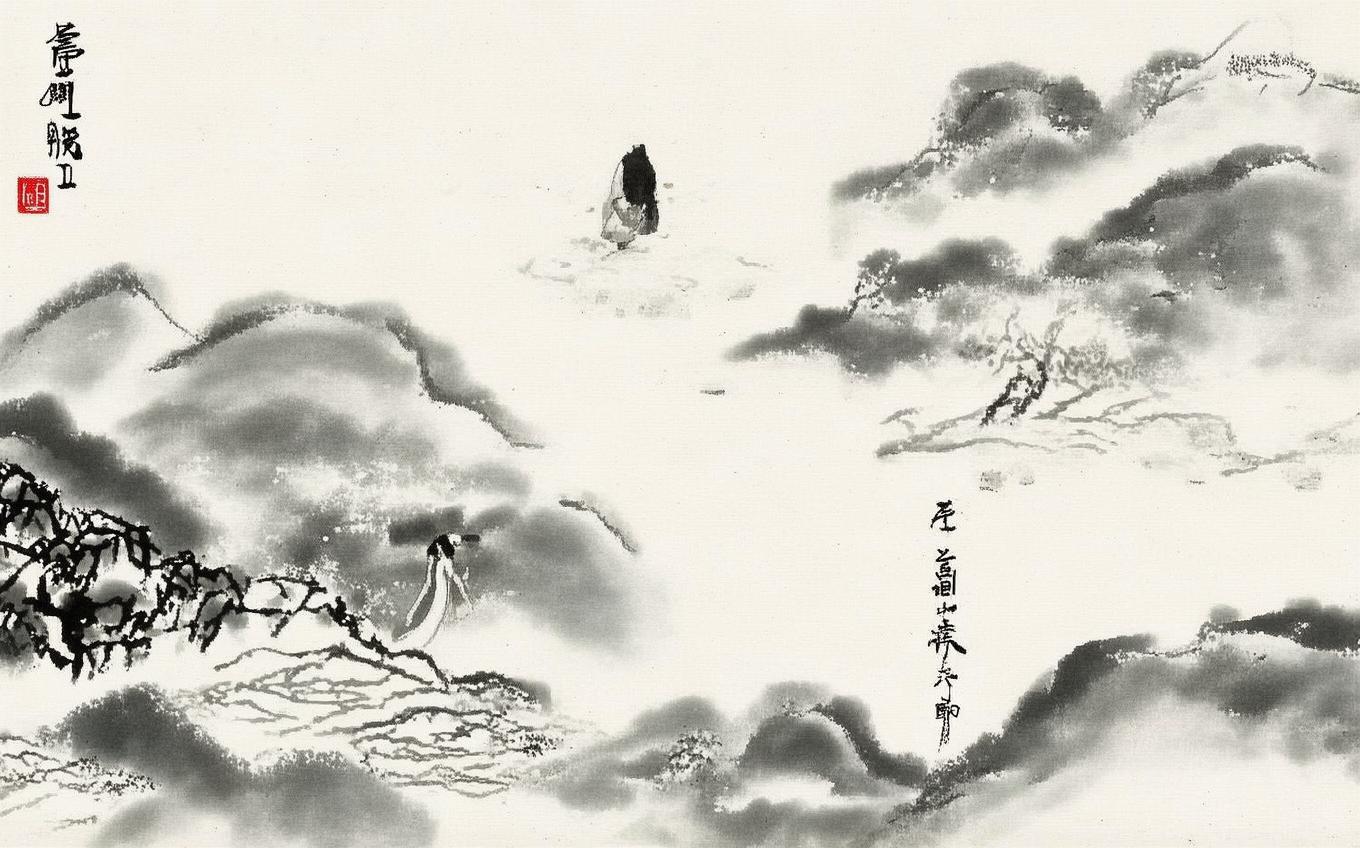
Analysis of "送十五舅" - Classical Chinese Poetry
Introduction
"送十五舅" (Sòng Shíwǔ Jiù) is a poignant farewell poem by the renowned Tang Dynasty poet Wang Wei (王维, 701–761). Known for his mastery of nature imagery and Buddhist-inspired tranquility, Wang Wei was a leading figure of the "Fields and Gardens" poetry tradition. This poem exemplifies his signature style—blending emotional depth with serene landscapes—while capturing the bittersweet emotions of parting with a beloved uncle ("fifteenth uncle," a term of respect in Chinese kinship terms).
The poem holds significance in Chinese literature for its delicate balance of personal sentiment and universal themes of separation, making it relatable across centuries.
The Poem: Full Text and Translation
送十五舅
Sòng Shíwǔ Jiù
Seeing Off My Fifteenth Uncle深林人不知
Shēn lín rén bù zhī
In the deep woods, no one knows you,明月来相照
Míng yuè lái xiāng zhào
Only the bright moon comes to shine upon you.宿昔梦见君
Sù xī mèng jiàn jūn
Last night, I dreamed of you,晨起理征衣
Chén qǐ lǐ zhēng yī
At dawn, I rise to prepare your traveling clothes.寒山独过雁
Hán shān dú guò yàn
A lone goose crosses the cold mountain—暮雨远来舟
Mù yǔ yuǎn lái zhōu
Evening rain greets your distant boat.
Line-by-Line Analysis
-
"In the deep woods, no one knows you"
- The "deep woods" symbolize solitude and the uncle’s quiet, humble journey. Wang Wei often used forests to represent introspection or detachment from worldly noise. -
"Only the bright moon comes to shine upon you"
- The moon is a classic Chinese symbol of companionship and constancy. Here, it becomes the uncle’s silent guardian, reflecting Wang Wei’s Buddhist belief in nature’s spiritual solace. -
"Last night, I dreamed of you"
- Dreams in Chinese poetry often signify unspoken longing. The line hints at the poet’s anxiety about the impending separation. -
"At dawn, I rise to prepare your traveling clothes"
- A tender, domestic detail that humanizes the farewell. "Traveling clothes" (征衣) evoke the hardships of journeys in ancient China. -
"A lone goose crosses the cold mountain"
- The "lone goose" (独雁) is a metaphor for the uncle’s solitary travel, while the "cold mountain" underscores the emotional and physical chill of parting. -
"Evening rain greets your distant boat"
- Rain often symbolizes sorrow in Chinese poetry. The "distant boat" emphasizes the vastness of the separation, with nature mirroring the poet’s melancholy.
Themes and Symbolism
- Transience and Separation: The poem grapples with the inevitability of parting, a recurring theme in Tang Dynasty poetry.
- Nature as Comfort: Wang Wei uses natural imagery (moon, goose, rain) to soften the pain of goodbye, suggesting harmony between human emotions and the cosmos.
- Silent Bonds: The uncle’s journey is solitary, yet the moon’s "shine" implies invisible connections that endure beyond distance—a nod to Buddhist ideas of interdependence.
Cultural Context
Written during the Tang Dynasty (618–907), a golden age of Chinese poetry, "送十五舅" reflects the era’s emphasis on yuanbie (怨别, "lamenting separation"). Travel was arduous and often dangerous, making farewells emotionally charged.
Wang Wei, a devout Buddhist, infused his work with themes of impermanence (无常) and the solace of nature. This poem’s restrained grief and quiet imagery align with Confucian ideals of emotional restraint and Daoist/Buddhist reverence for the natural world.
Conclusion
"送十五舅" is a masterpiece of understated emotion, where every image—the moon, the lone goose, the evening rain—carries layers of meaning. Wang Wei transforms a personal farewell into a universal meditation on separation and the quiet resilience of human bonds.
Today, the poem resonates with anyone who has experienced the ache of goodbye, reminding us that even in solitude, nature and memory offer light. Its timeless beauty lies in its ability to say so much with so little—a hallmark of classical Chinese poetry’s enduring power.
"The bright moon shines the same way it did over Tang Dynasty forests; our goodbyes, though centuries apart, are still the same."

Comments (0)
No comments yet. Be the first to comment!