Analysis of "卢溪别人" - Classical Chinese Poetry
Introduction
"卢溪别人" (Lúxī Bié Rén, "Farewell at Luxi") is a poignant farewell poem by Wang Changling (王昌龄, 698–757), a renowned Tang Dynasty poet known for his mastery of the qijue (七绝, seven-character quatrain) form. This poem exemplifies the Tang Dynasty's golden age of poetry, where themes of parting, nature, and human emotion were elegantly intertwined. Wang's works often reflect the melancholy of separation, a recurring motif in classical Chinese poetry due to the vast distances and uncertain reunions faced by travelers in ancient China.
The Poem: Full Text and Translation
卢溪别人
Lúxī Bié Rén
Farewell at Luxi
武陵溪口驻扁舟
Wǔlíng xīkǒu zhù piānzhōu
At Wuling’s creek mouth, a lone boat waits,溪水随君向北流
Xīshuǐ suí jūn xiàng běi liú
The stream flows north with you, away it goes.行到荆门上三峡
Xíng dào Jīngmén shàng Sānxiá
When you reach Jingmen and ascend the Three Gorges,莫将孤月对猿愁
Mò jiāng gū yuè duì yuán chóu
Do not let the lone moon grieve with the apes’ cries.
Line-by-Line Analysis
-
武陵溪口驻扁舟
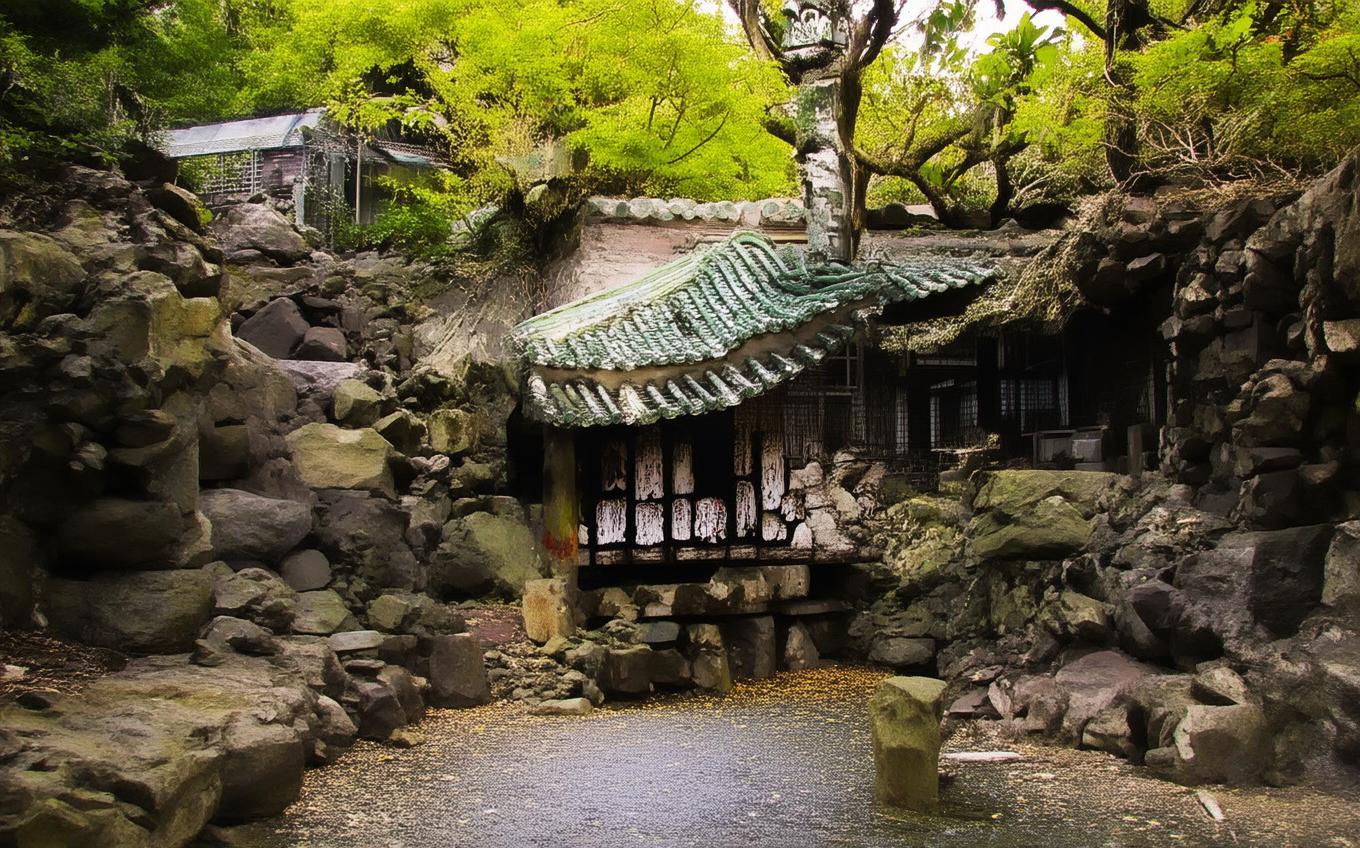
The poem opens at Wuling Creek, a scenic yet solitary location where a small boat (piānzhōu) is moored. The imagery sets a tranquil yet somber tone, hinting at an impending journey. -
溪水随君向北流
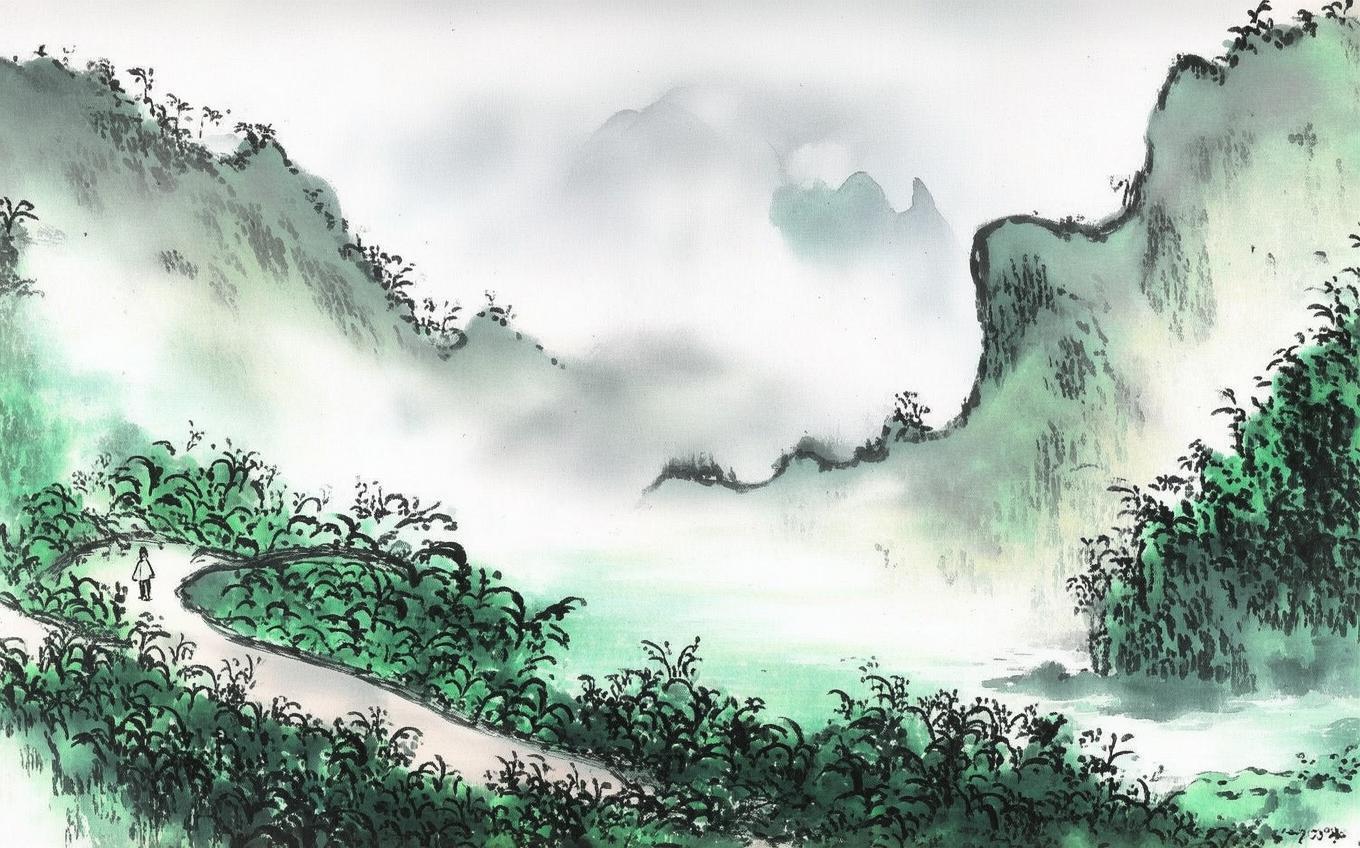
The creek’s water flows northward, mirroring the traveler’s path. Water in Chinese poetry often symbolizes time and separation—here, it underscores the inevitability of parting. -
行到荆门上三峡
Jingmen and the Three Gorges were perilous routes in ancient China, evoking both awe and dread. The line foreshadows the traveler’s challenges ahead. -
莫将孤月对猿愁
The final line warns against succumbing to sorrow. The "lone moon" and "apes’ cries" are classic symbols of loneliness in Chinese literature (e.g., Li Bai’s "两岸猿声啼不住"). The poet advises resilience, a subtle gesture of friendship.
Themes and Symbolism
- Separation (离别, líbié): A central theme in Tang poetry, reflecting the era’s nomadic officials and scholars who often traveled far from home.
- Nature as Emotion: The creek, moon, and apes serve as emotional mirrors—water as fleeting time, the moon as solitude, and apes’ cries as melancholy.
- Resilience: The last line shifts from sorrow to encouragement, revealing Confucian ideals of enduring hardship with dignity.
Cultural Context
Wang Changling wrote during the Tang Dynasty’s peak (618–907), a period when poetry was both art and social currency. Farewell poems like this were often exchanged between friends or colleagues departing for distant posts. The Three Gorges (三峡, Sānxiá) were a symbolic threshold—a gateway to the unknown, much like the "journey" metaphors in Western literature (e.g., Dante’s Divine Comedy).
Conclusion
"卢溪别人" captures the universal ache of parting through delicate natural imagery and quiet resolve. Its brevity (just 28 characters) exemplifies the qijue’s power to convey profound emotion succinctly. For modern readers, the poem resonates as a reminder of companionship’s solace amid life’s uncertain voyages. As Wang whispers across centuries: even in solitude, one need not face the moon alone.

Comments (0)
No comments yet. Be the first to comment!