
Understanding "房屋" - Chinese Word Explanation
1. Basic Information
- Word: 房屋
- Pinyin: fáng wū
- Literal Meaning: "House" (房) + "Building" (屋)
- Primary Meaning: A general term for buildings or houses, referring to structures where people live or work.
2. In-depth Explanation
Context and Usage
"房屋" is a neutral and formal term used to describe residential or non-residential buildings. It can refer to houses, apartments, or other constructed dwellings. Unlike more specific terms like "房子" (which often implies a home) or "住宅" (residential housing), "房屋" is broader and can include commercial or public buildings in certain contexts.
Character Breakdown
- 房 (fáng): Means "house" or "room."
- 屋 (wū): Means "building" or "roofed structure." Together, they emphasize the physical structure of a building.
3. Example Sentences
-
Chinese: 这栋房屋很古老。
Pinyin: Zhè dòng fángwū hěn gǔlǎo.
English: This building is very old. -
Chinese: 我们需要维修房屋的屋顶。
Pinyin: Wǒmen xūyào wéixiū fángwū de wūdǐng.
English: We need to repair the roof of the house. -
Chinese: 这个城市的房屋价格很高。
Pinyin: Zhège chéngshì de fángwū jiàgé hěn gāo.
English: The housing prices in this city are very high.
Cultural Notes
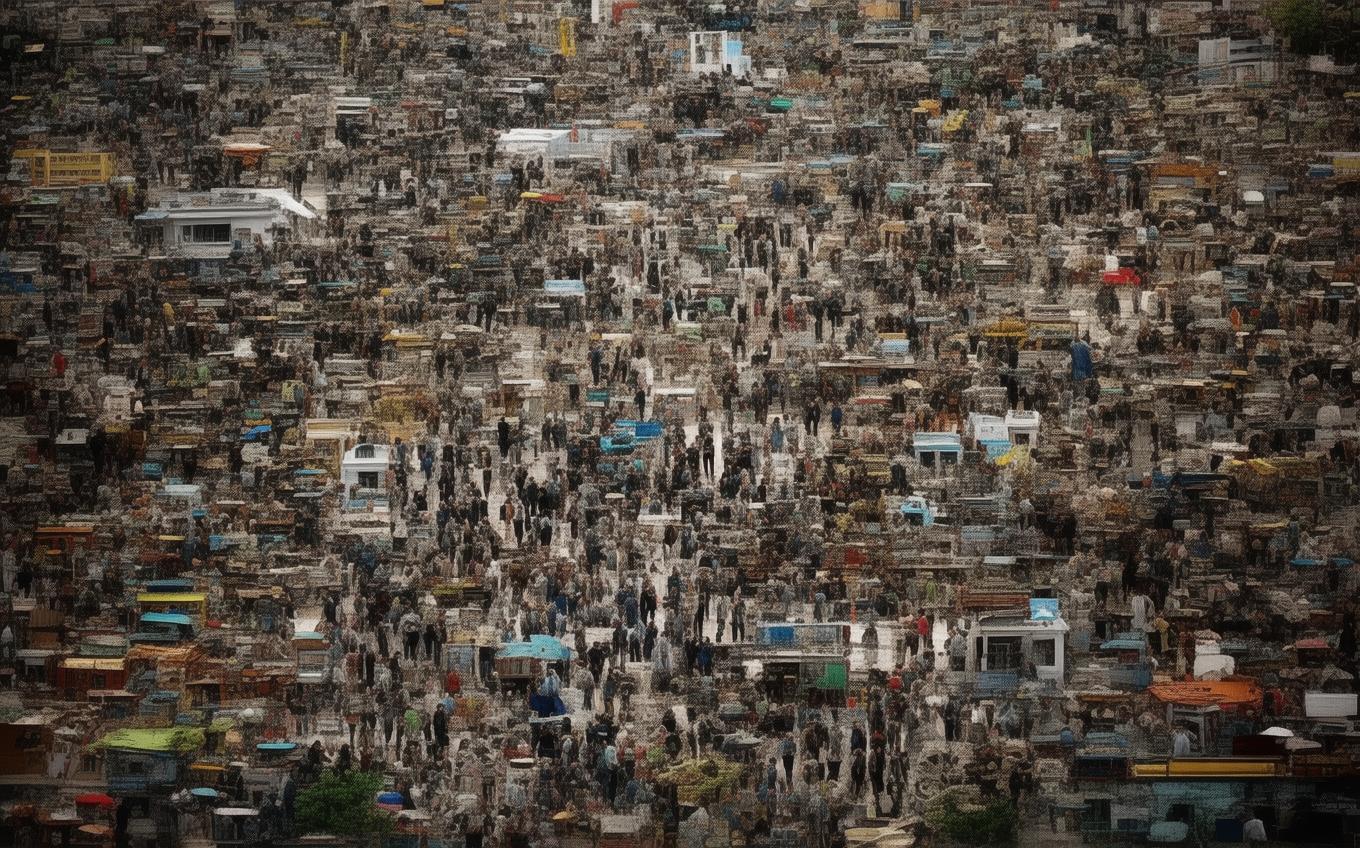
In China, "房屋" is often discussed in the context of real estate and urban development due to rapid urbanization. Owning property (房屋) is highly valued, and housing policies (like "限购令" - purchase restrictions) are common topics in daily life.
Conclusion
"房屋" is a versatile term for buildings, useful in both casual and formal contexts. Remember it as a combination of "house" (房) and "structure" (屋), covering everything from homes to commercial properties. Practice with the examples to master its usage!



Comments (0)
No comments yet. Be the first to comment!