Analysis of a Classic Chinese Poem: 蜀先主庙
Analysis of "蜀先主庙" Classical Chinese Poetry Introduction The poem "蜀先主庙" (Shǔ Xiānzhǔ Miào) was wri…
Analysis of "蜀先主庙" Classical Chinese Poetry Introduction The poem "蜀先主庙" (Shǔ Xiānzhǔ Miào) was wri…
Analysis of "贼平后送人北归" Classical Chinese Poetry Introduction The poem "贼平后送人北归" (Zéi Píng Hòu Sòng R…
Analysis of "喜外弟卢纶见宿" Classical Chinese Poetry Introduction The poem "喜外弟卢纶见宿" (Xǐ Wàidì Lú Lún Jià…
Analysis of "云阳馆与韩绅宿别" Classical Chinese Poetry Introduction "云阳馆与韩绅宿别" (Yúnyáng Guǎn yǔ Hán Shēn S…
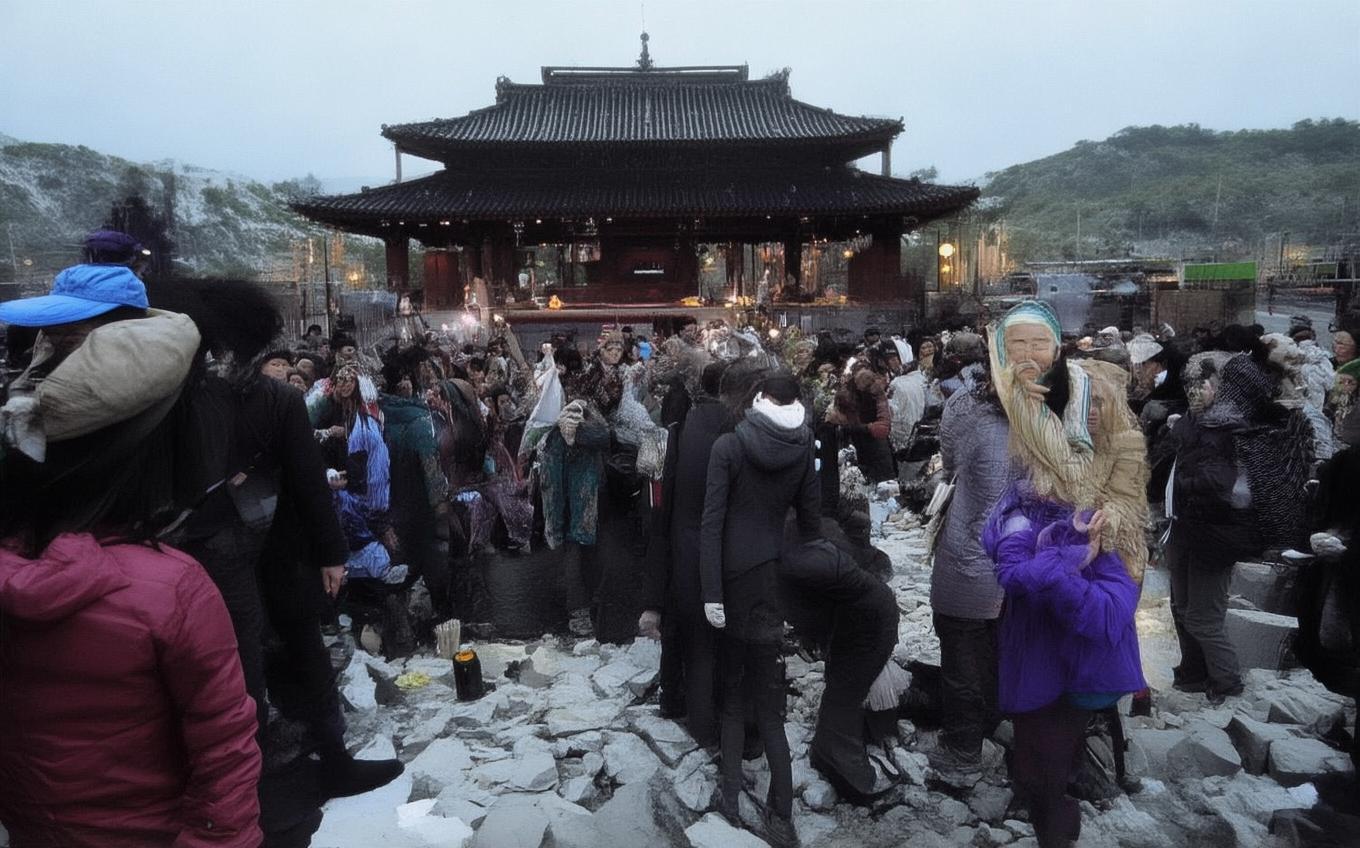
Analysis of "喜见外弟又言别" Classical Chinese Poetry Introduction The poem "喜见外弟又言别" (Joy of Meeting My C…
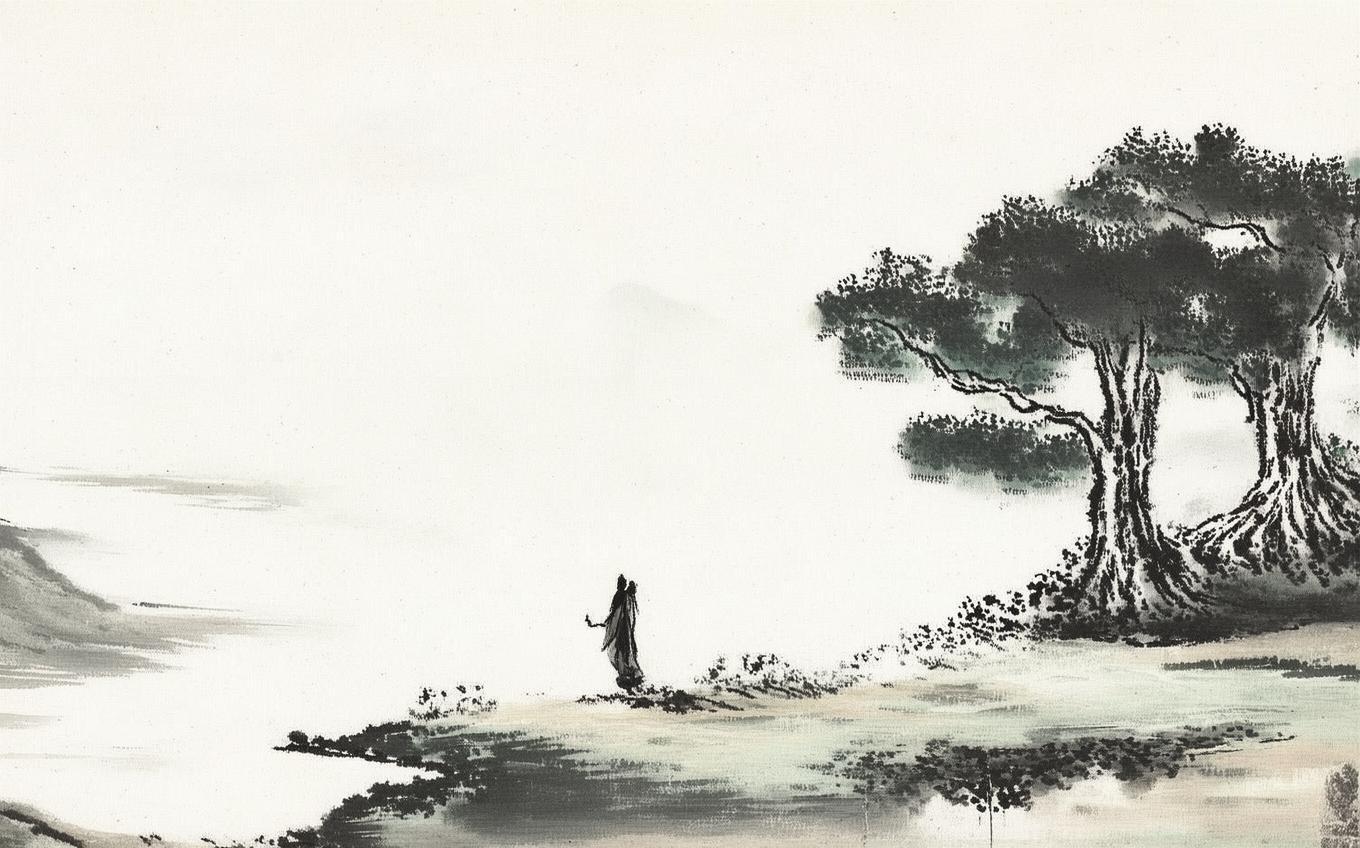
Analysis of "送李端" Classical Chinese Poetry Introduction "送李端" (Sòng Lǐ Duān) is a poignant farewell…
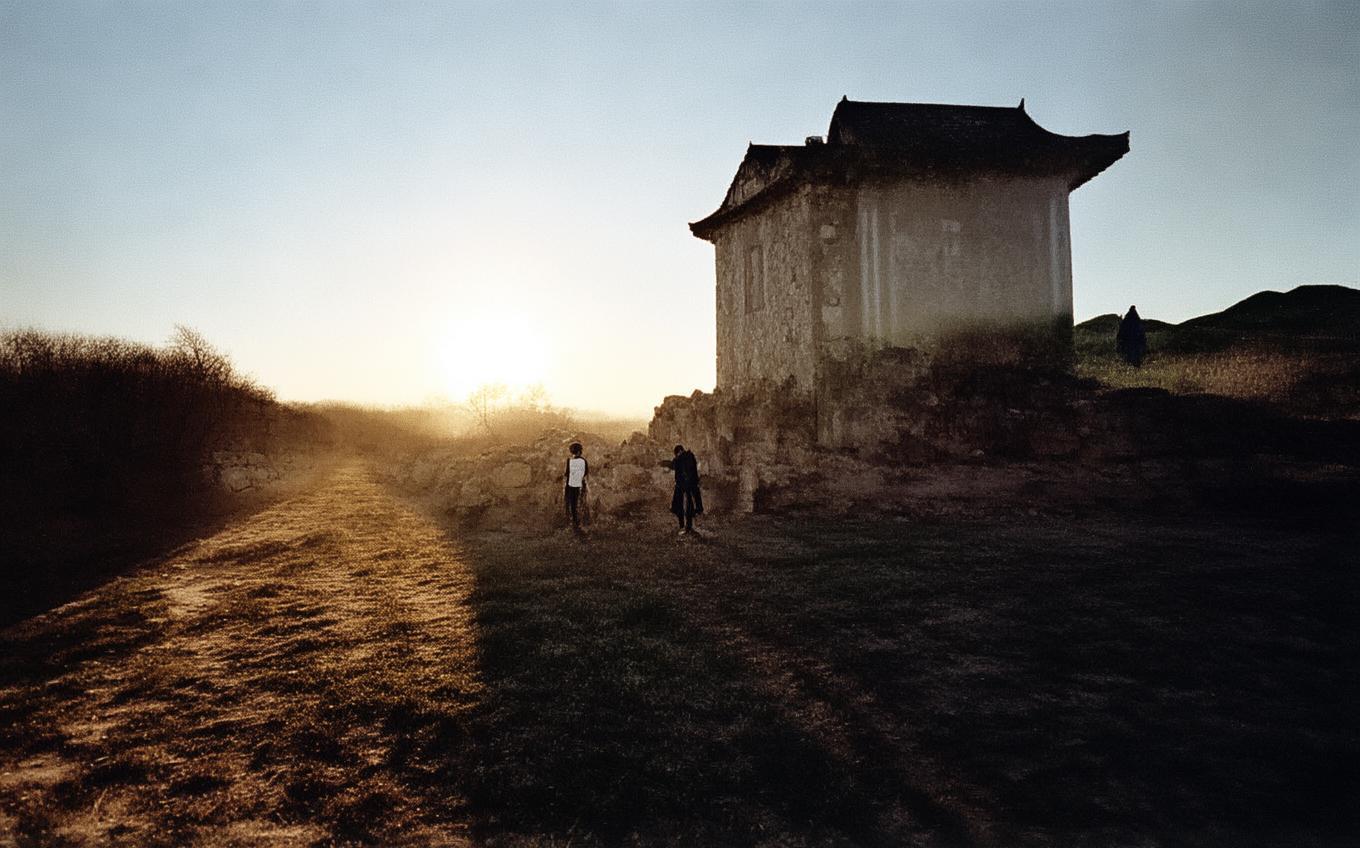
markdown Analysis of "江乡故人偶集客舍" Classical Chinese Poetry Introduction The poem "江乡故人偶集客舍" (Jiāng xi…

Analysis of "春词" Classical Chinese Poetry Introduction The "春词" (Chūn Cí), or "Spring Poem," is a c…
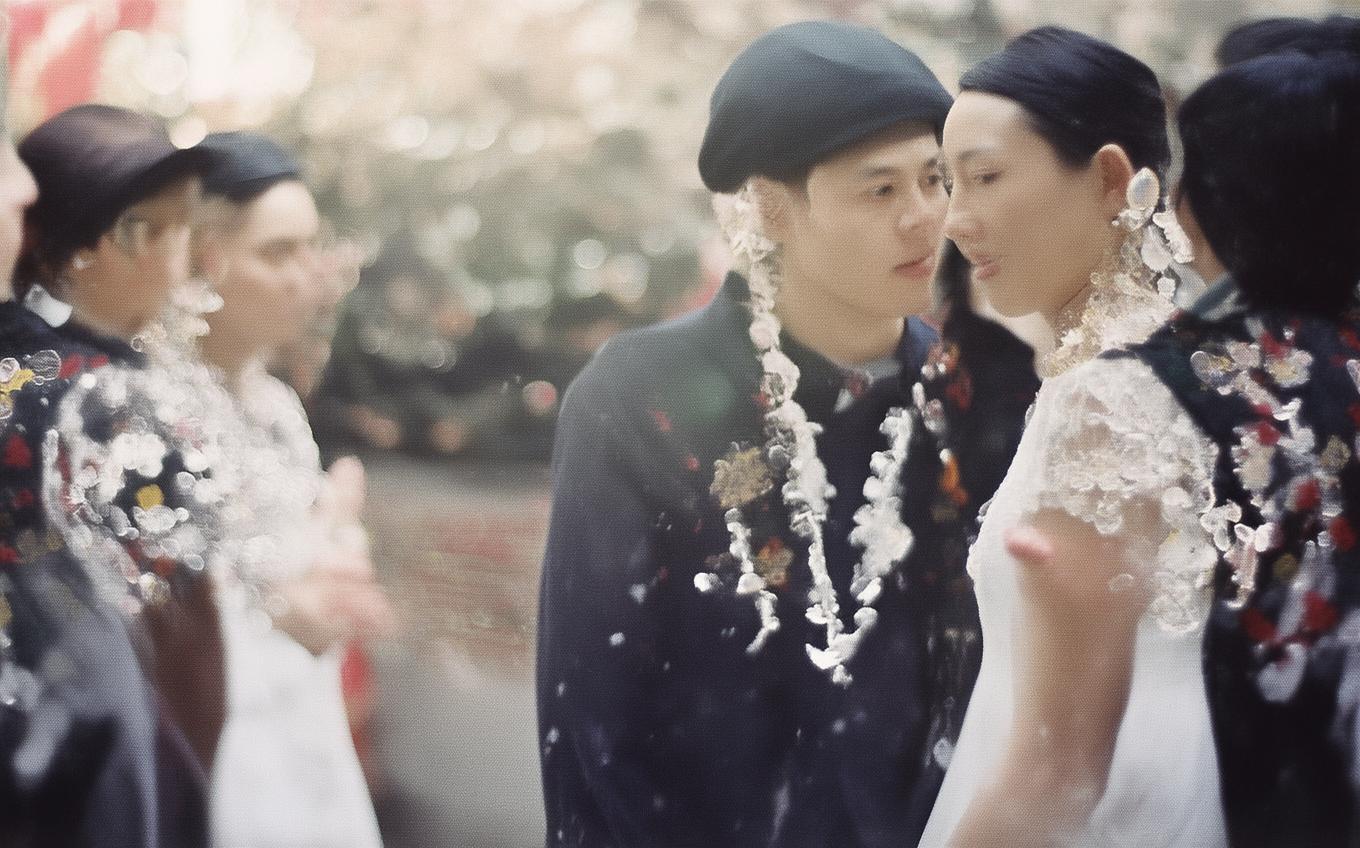
Analysis of "征人怨" Classical Chinese Poetry Introduction The poem "征人怨" (Zhēng Rén Yuàn), translated…

Analysis of Bai Juyi's "放言" Classical Chinese Poetry Introduction Bai Juyi (白居易, 772–846) was one o…
Analysis of "轻肥" Classical Chinese Poetry Introduction The poem "轻肥" (Qīng féi) was written by the …
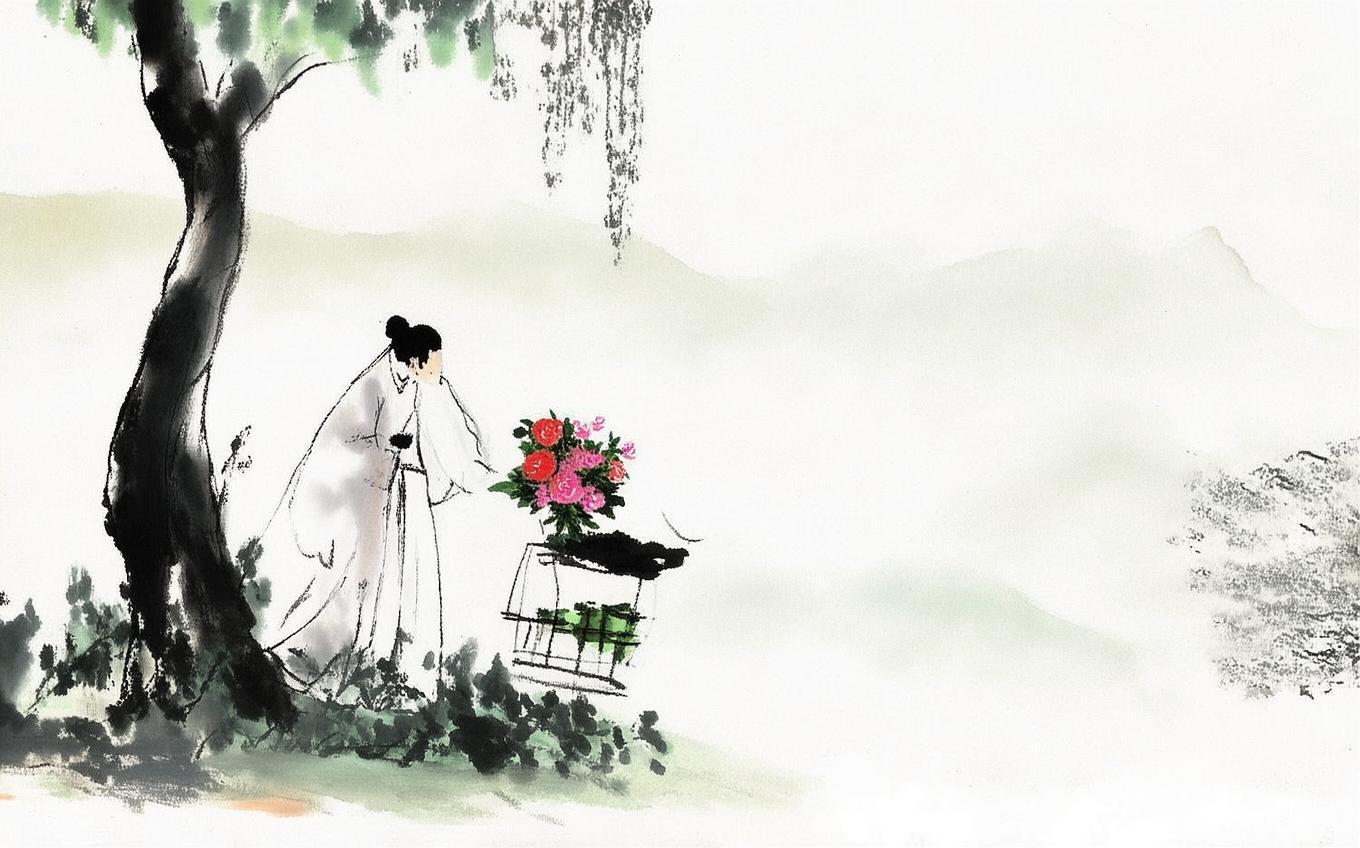
Analysis of "买花" Classical Chinese Poetry Introduction The poem "买花" (Mǎi Huā, "Buying Flowers") is…