Analysis of "贺新郎·读史" - Classical Chinese Poetry
Introduction "贺新郎·读史" (Hè Xīnláng·Dú Shǐ, "Congratulations to the Bridegroom: On Reading History"...
Guided readings of classical Chinese poetry with original text, attribution, pinyin, English translation, line-by-line analysis, imagery, and historical context. New guides use stored source records so the poem text and author can be checked independently.
Introduction "贺新郎·读史" (Hè Xīnláng·Dú Shǐ, "Congratulations to the Bridegroom: On Reading History"...
Introduction "浪淘沙·北戴河" (Làng Táo Shā · Běi Dài Hé) is a famous poem written by Mao Zedong in 1954...
Introduction "七律·长征" (Qī Lǜ · Cháng Zhēng), or "The Long March," is a famous poem written by Mao ...

Introduction The poem 小重山 (Xiǎo Chóng Shān), or "Little Heavy Mountain," is a famous lyric piece ...

Introduction The poem "苏武庙" (Sū Wǔ Miào) was written by the Tang Dynasty poet Wen Tingyun (温庭筠, c...

Introduction The poem "送灵澈上人" (Sòng Língchè Shàngrén) was written by Liu Changqing (刘长卿, 709–785)...
Introduction "小桃红·采莲女" (Xiǎo Táo Hóng·Cǎi Lián Nǚ, "Song of Little Peach Blossoms: The Lotus Gath...

Introduction Li Bai (李白, 701–762), often regarded as China's greatest romantic poet, wrote "下终南山过...
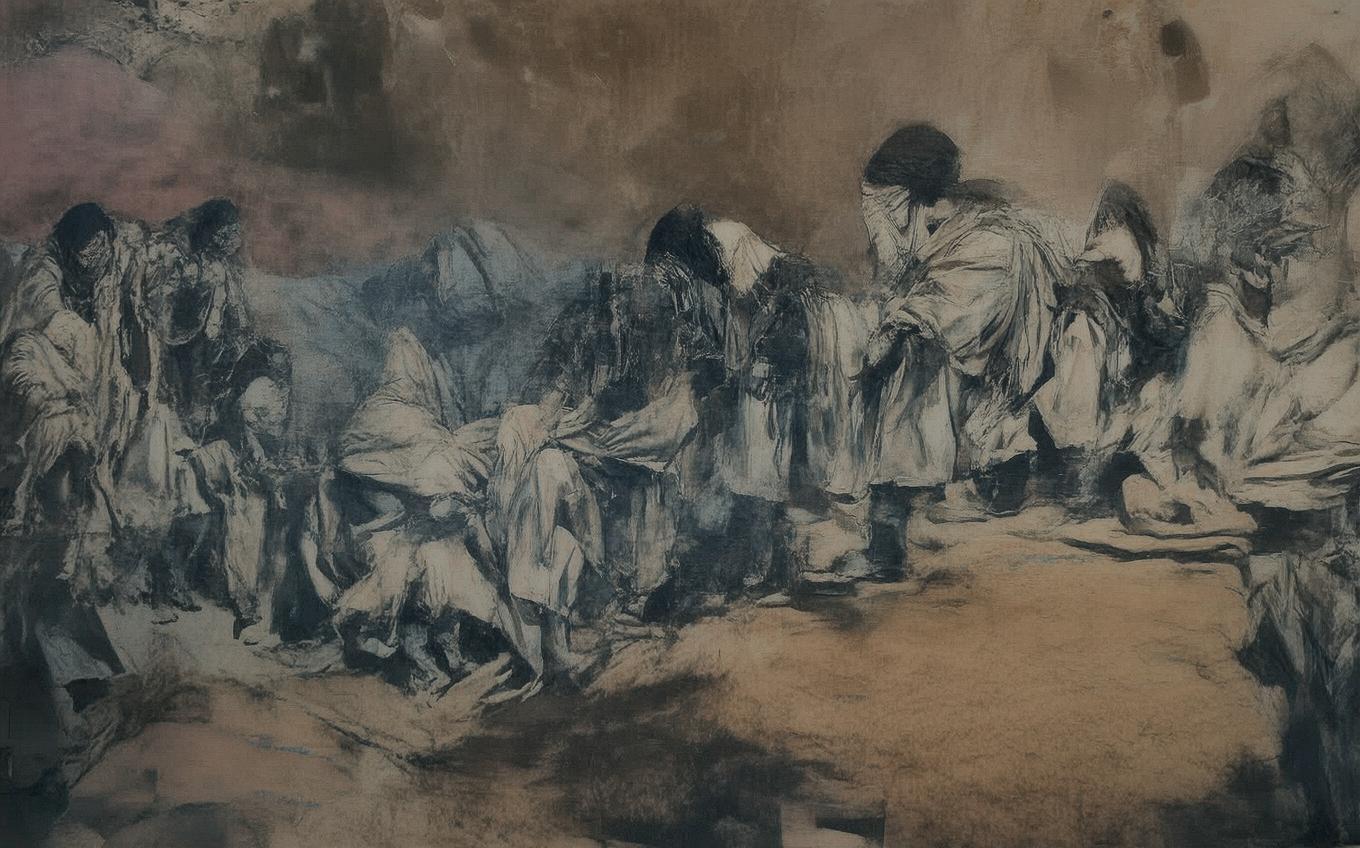
Introduction Wang Wei (王维, 699–759 CE) was a renowned Tang Dynasty poet, painter, and musician, o...

Introduction The poem "送崔九" (Sòng Cuī Jiǔ) was written by the Tang Dynasty poet 裴迪 (Péi Dí), a cl...
Introduction The poem "山中留客" (Shān Zhōng Liú Kè), or "Keeping a Guest in the Mountains", was writ...