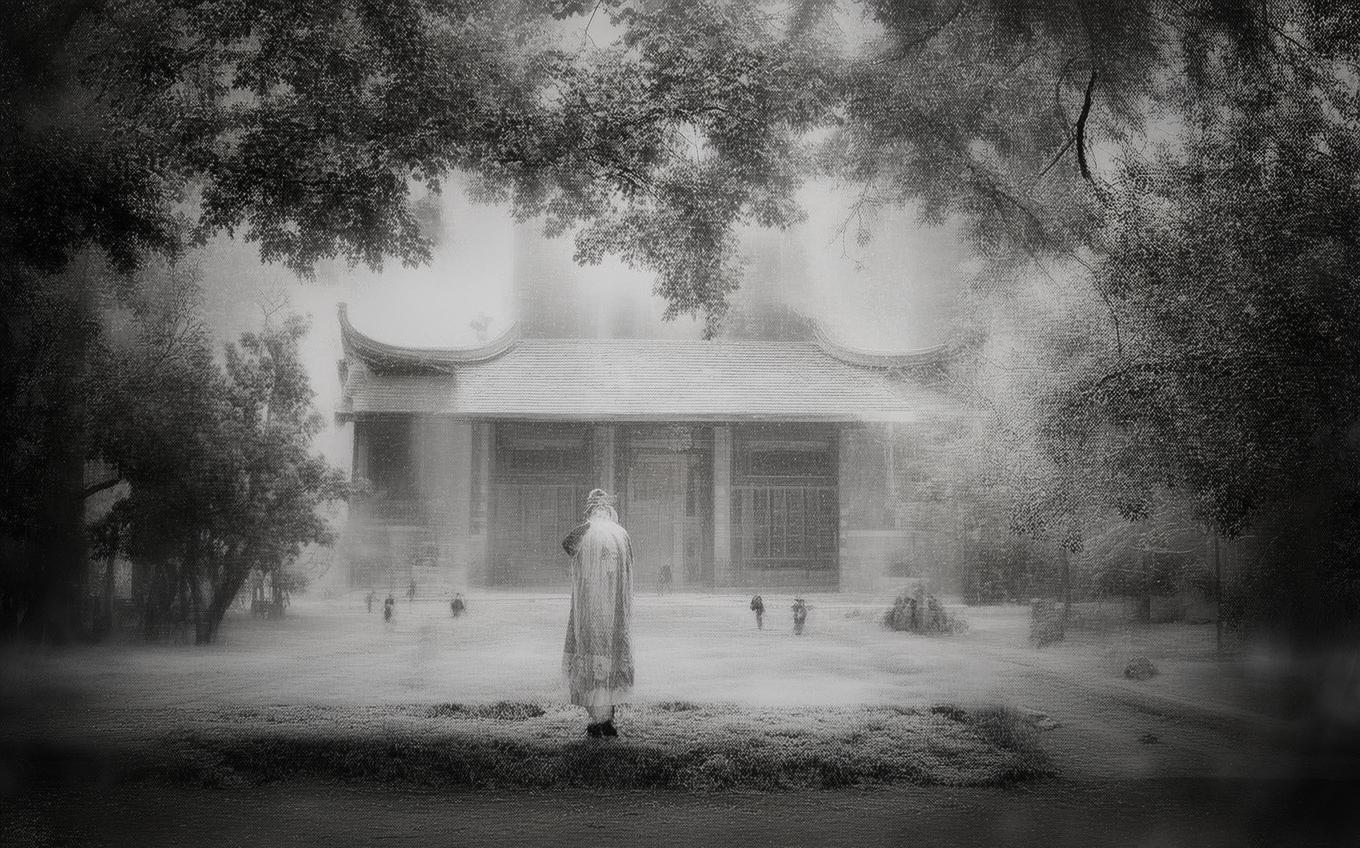
Analysis of "欹湖" - Classical Chinese Poetry
Introduction The poem 欹湖 (Qī Hú) is a masterpiece by the renowned Tang Dynasty poet Wang Wei (王维,...
Guided readings of classical Chinese poetry with original text, attribution, pinyin, English translation, line-by-line analysis, imagery, and historical context. New guides use stored source records so the poem text and author can be checked independently.
Introduction The poem 欹湖 (Qī Hú) is a masterpiece by the renowned Tang Dynasty poet Wang Wei (王维,...

Introduction The poem "南垞" (Nán Chá) is a celebrated work by Wang Wei (王维), one of the most renow...

Introduction Wang Wei (王维, 699–759) was a renowned Tang Dynasty poet, painter, and musician, ofte...

Introduction "宫槐陌" (Gōng Huái Mò, "Path of Palace Locust Trees") is a serene and contemplative po...

Introduction "栾家濑" (Luán Jiā Lài) is a famous landscape poem by Wang Wei (王维), one of China's gre...

Introduction "木兰柴" (Mùlán Chái) is a short but evocative poem by the renowned Tang Dynasty poet W...

Introduction "椒园" (Jiāo Yuán, "Pepper Garden") is a lesserknown but exquisite poem by the Tang Dy...
Introduction "孟城坫" (Mèng Chéng Diàn) is a poem by the renowned Tang Dynasty poet Wang Wei (王维, 70...

Introduction The "Qiū Fēng Cí" (秋风词, "Song of the Autumn Wind") is a poignant lyric poem attribut...
Introduction The poem "殿前欢·梅花" (Diàn Qián Huān · Méi Huā), or "Joy Before the Palace Hall: The Pl...
Introduction "近试上张水部" (Jìn Shì Shàng Zhāng Shuǐ Bù), also known as "On the Eve of Government Exam...
Introduction The Nán Gē Zǐ (南歌子) is a classical Chinese poetic form that originated during the Ta...