Understanding "无家别" - Chinese Word Explanation
1. Basic Information Word: 无家别 Pinyin: wú jiā bié Literal Meaning: "No home to part from" or "Far...
Guided readings of classical Chinese poetry with original text, attribution, pinyin, English translation, line-by-line analysis, imagery, and historical context. New guides use stored source records so the poem text and author can be checked independently.
1. Basic Information Word: 无家别 Pinyin: wú jiā bié Literal Meaning: "No home to part from" or "Far...

1. Basic Information Word: 垂老别 Pinyin: chuí lǎo bié Literal Meaning: "parting in old age" or "far...

1. Basic Information Word: 春怨 Pinyin: chūn yuàn Literal Meaning: "spring" (春) + "resentment/compl...
1. Basic Information Word: 江上渔者 Pinyin: Jiāng shàng yú zhě Literal Meaning: "River + on/above + f...

Introduction "踏莎行" (Tà Suō Xíng) is a famous cí (词) poem written by Ouyang Xiu (欧阳修, 1007–1072), ...

Introduction The poem "冬夜读书示子聿" (Dōng Yè Dú Shū Shì Zǐ Yù) was written by the renowned Southern S...
Introduction The poem "乌夜啼·林花谢了春红" (Wū Yè Tí·Lín Huā Xièle Chūn Hóng, "Crows Crying at Night·Fore...
Introduction "醉翁操·琅然" (Zuì Wēng Cāo·Láng Rán) is a famous ci poem (a classical Chinese poetic for...
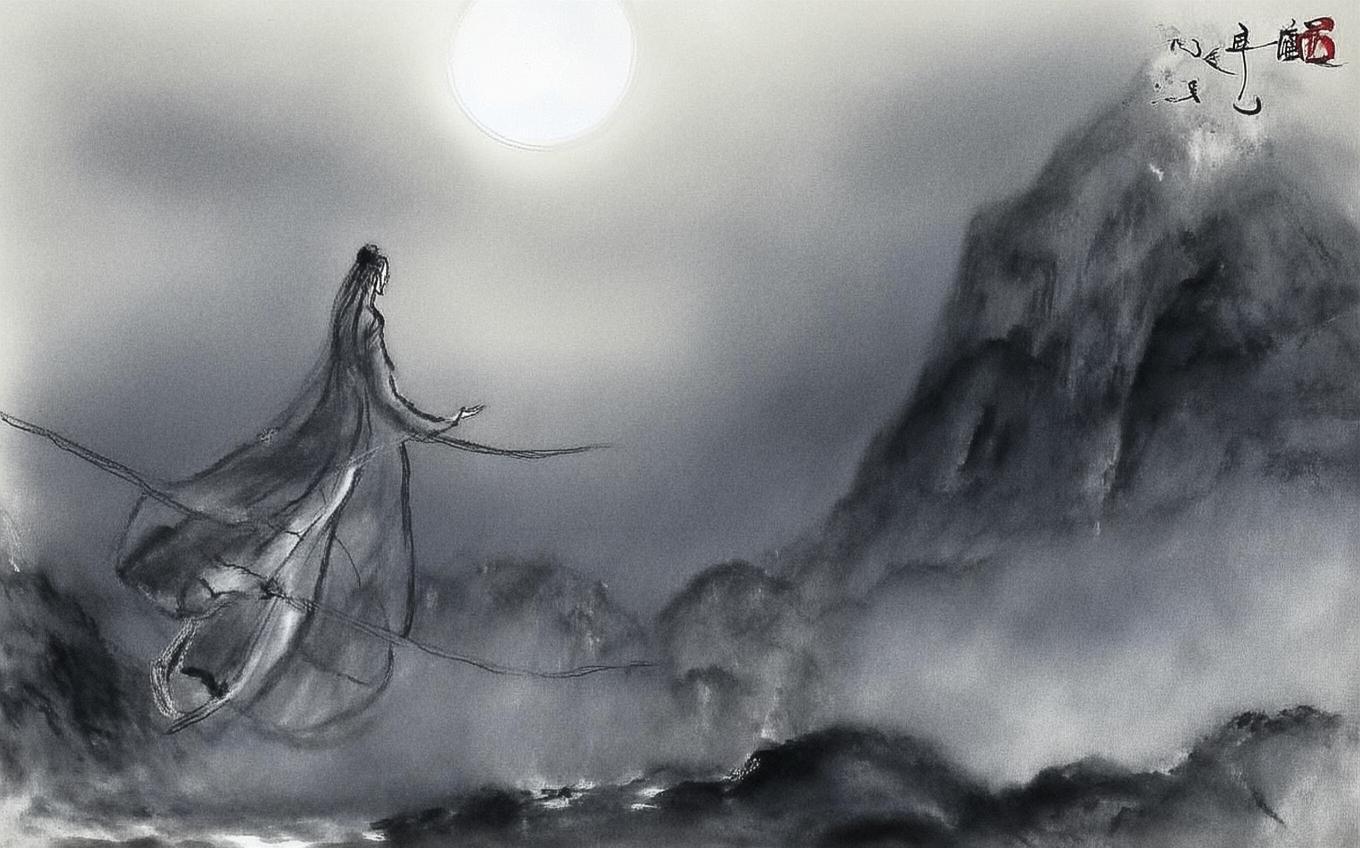
Introduction The poem "嫦娥" (Cháng'é) was written by the renowned Tang Dynasty poet Li Shangyin (李...

Introduction "霜月" (Shuāng Yuè, "Frost and Moon") is a famous poem by the Tang Dynasty poet Li Sha...


Introduction "醉翁亭记" (Zuì Wēng Tíng Jì, The Pavilion of the Drunken Old Man) is a famous prosepoem...