Poem Analysis
临江仙·夜饮东坡醒复醉
Read a clear analysis of "临江仙·夜饮东坡醒复醉", including theme, imagery, and reading notes.
Guided readings of classical Chinese poetry with original text, attribution, pinyin, English translation, line-by-line analysis, imagery, and historical context. New guides use stored source records so the poem text and author can be checked independently.
Read a clear analysis of "临江仙·夜饮东坡醒复醉", including theme, imagery, and reading notes.
Introduction The Yú Jiā Ào (渔家傲), or "Pride of Fishermen," is a famous ci (lyric poetry) form fro...
Introduction "青玉案·元夕" (Qīng Yù Àn · Yuán Xī) is a famous cí (lyric poem) written by the renowned ...
Introduction The poem 西江月·夜行黄沙道中 (Xī Jiāng Yuè·Yè Xíng Huáng Shā Dào Zhōng, "Moon over the West R...
Introduction The Qing Ping Yue (清平乐) is a classical Chinese poetic form often set to music during...
Introduction "醉太平·寒食" (Zuì Tàipíng·Hánshí, "Drunk in Peace·Cold Food Festival") is a ci poem by W...
Introduction "阳春曲·春景" (Yángchūn Qǔ·Chūn Jǐng, "Spring Song: Spring Scenery") is a classical Chine...
Introduction "早寒有怀" (Zǎo Hán Yǒu Huái, Thoughts on Early Cold) is a poignant poem by the Tang Dyn...
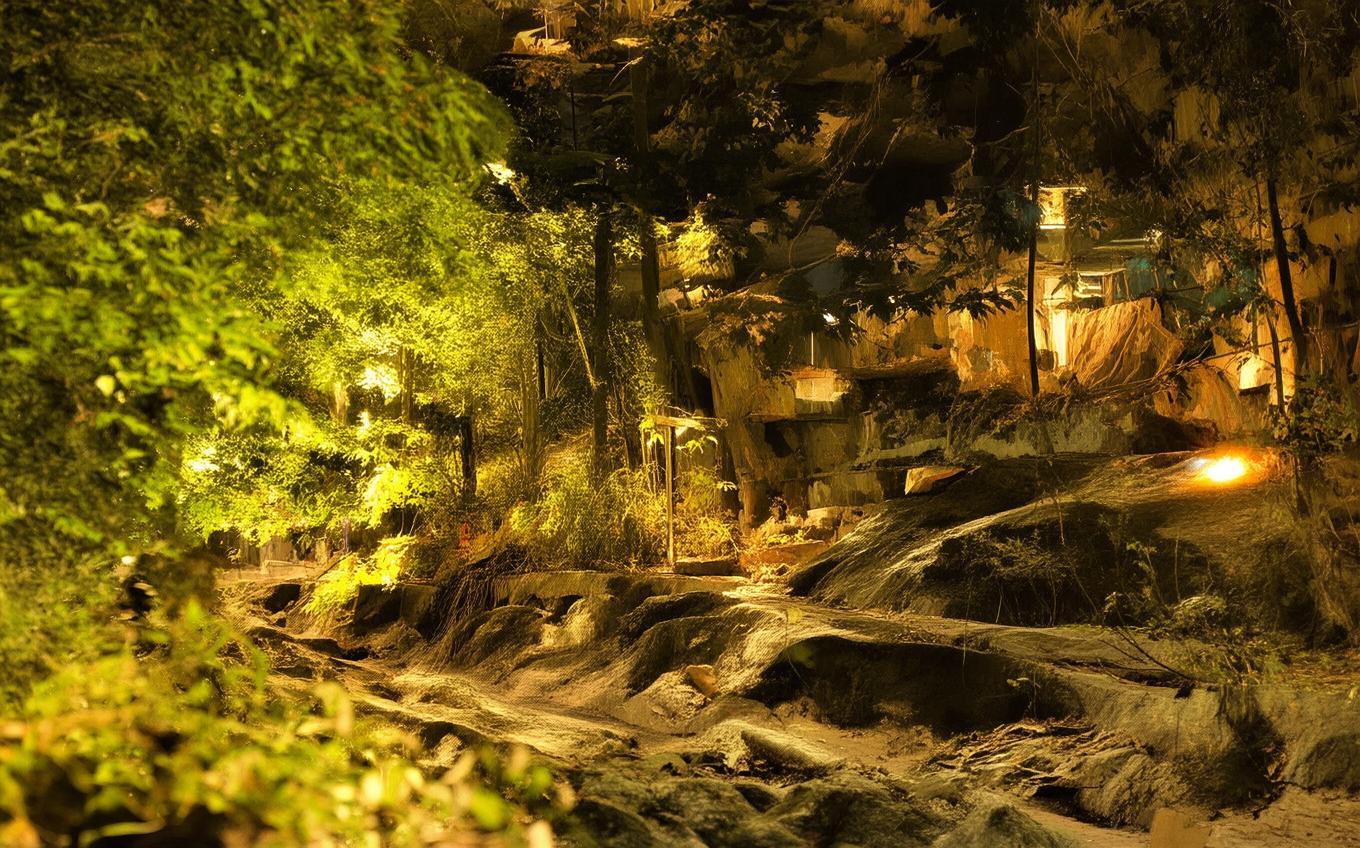
Introduction The poem "宴梅道士山房" (Yàn Méi Dàoshì Shānfáng, Feasting at the Taoist Priest Mei's Moun...
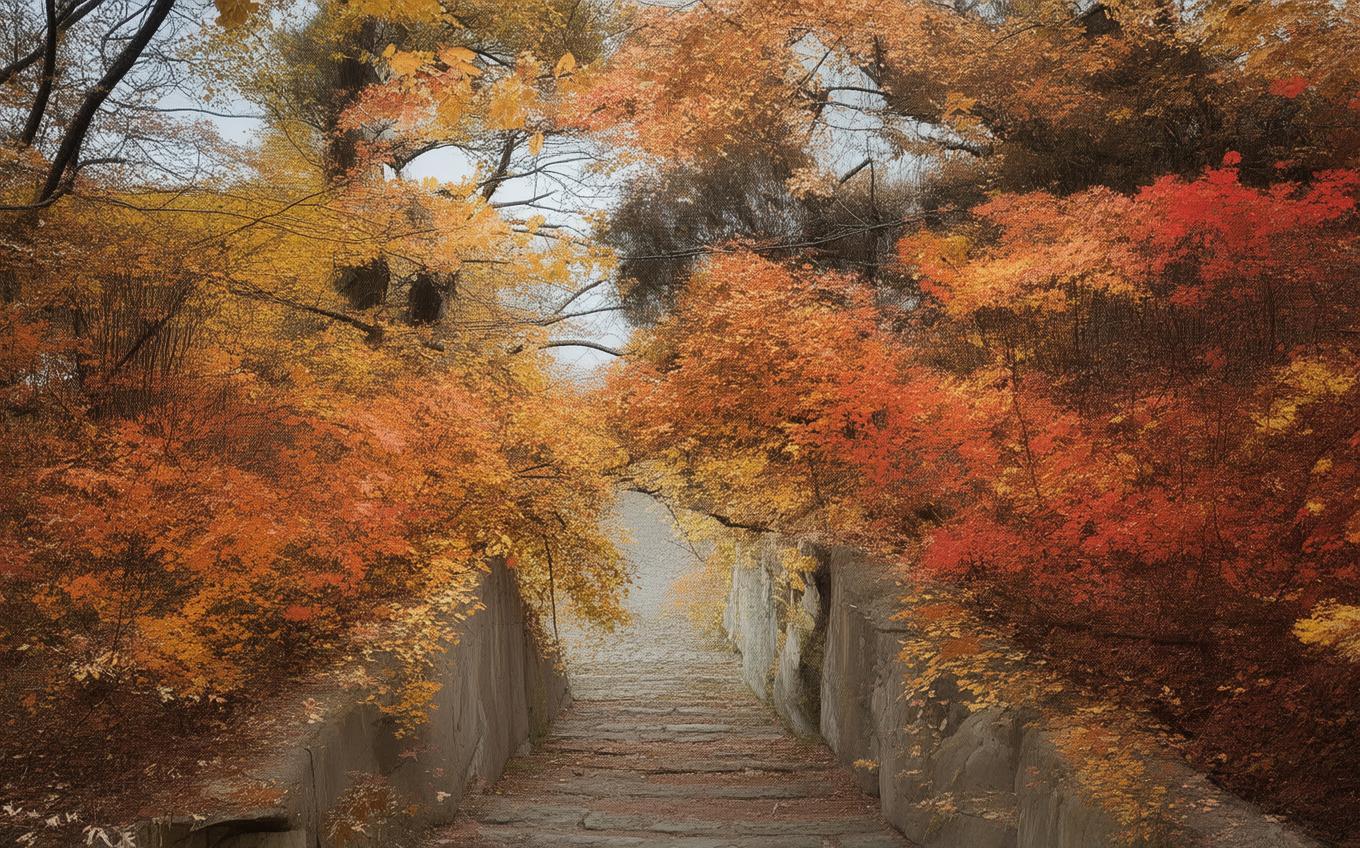
Introduction "过香积寺" (Guò Xiāngjī Sì, Visiting the Temple of Fragrant Accumulation) is a celebrate...
Introduction "送梓州李使君" (Sòng Zǐzhōu Lǐ Shǐjūn, Farewell to Prefect Li of Zizhou) is a famous farew...
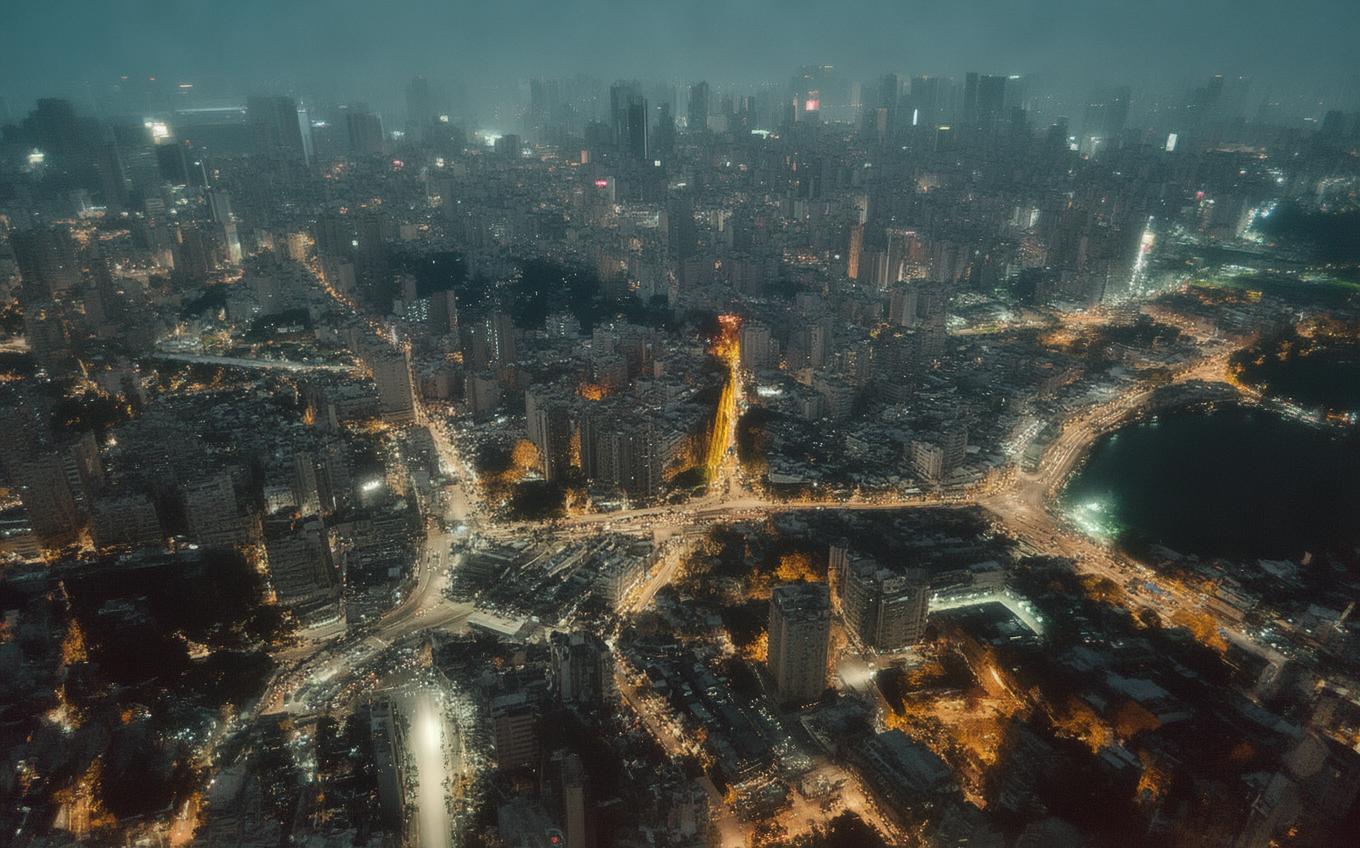
Introduction The poem "酬张少府" (Chóu Zhāng Shàofǔ) was written by Wang Wei (王维), one of the most ce...