1. Basic Information
- Word: 葡萄
- Pinyin: pú táo
- Literal Meaning: The word "葡萄" is a single term in Chinese, and its characters do not have separate literal meanings. Together, they represent the fruit "grape."
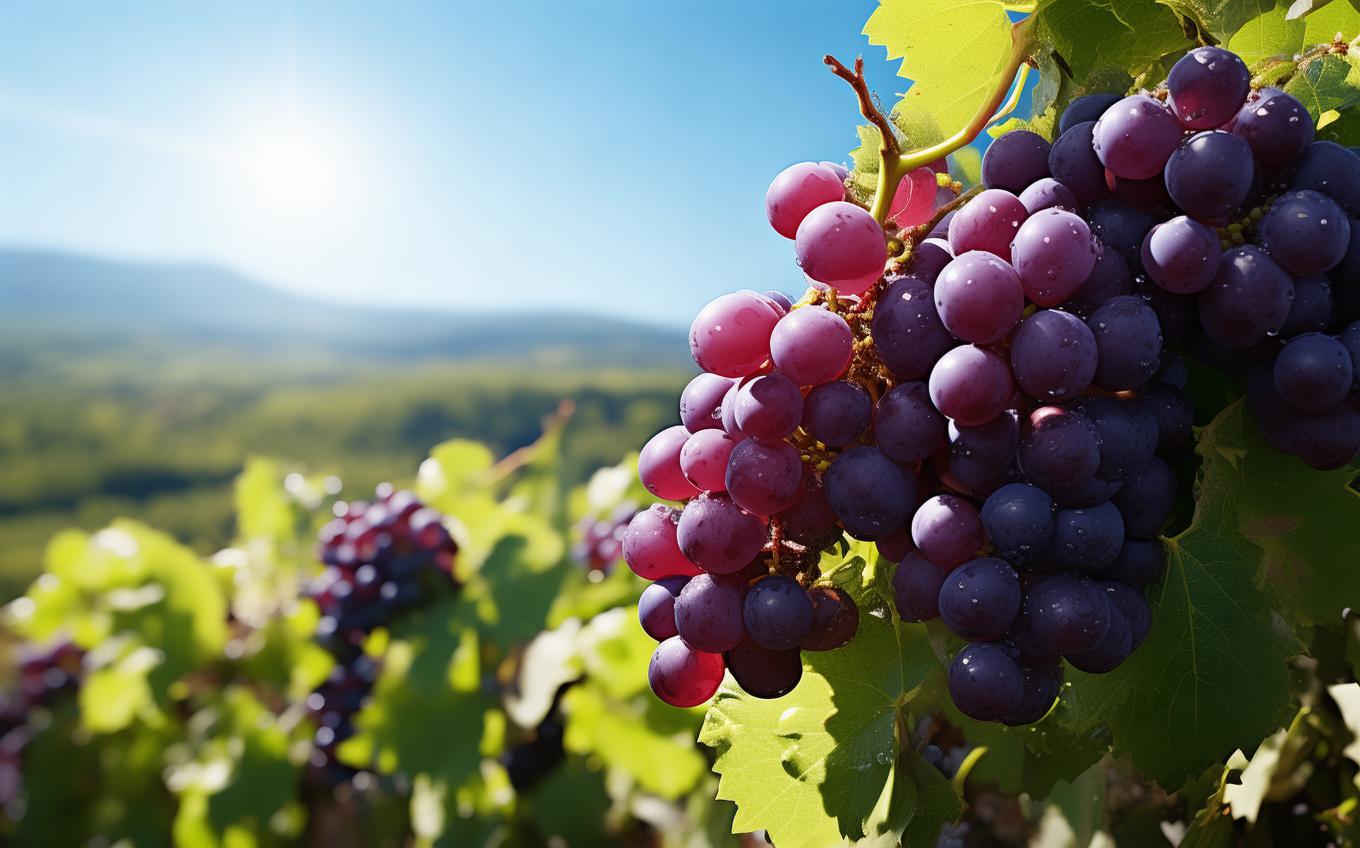
- Primary Meaning: Grape (the small, round, sweet or sour fruit that grows in clusters on vines).
2. In-depth Explanation
- Context and Usage:
- "葡萄" refers to grapes, whether fresh, dried (raisins), or used in products like wine (葡萄酒, pú táo jiǔ).
- It is commonly used in daily conversation when discussing fruits, food, or beverages.
-
There are no significant nuances, but regional varieties (e.g., green vs. purple grapes) may be specified (e.g., 绿葡萄 lǜ pú táo for green grapes).
-
Character Breakdown:
- While "葡萄" is a two-character word, neither character has an independent meaning related to grapes. Historically, the term was borrowed from ancient Persian ("budawa") via the Silk Road, so the characters were chosen phonetically rather than for their meanings.
3. Example Sentences
-
Chinese: 我喜欢吃葡萄。
Pinyin: Wǒ xǐhuān chī pú táo.
English: I like to eat grapes. -
Chinese: 这串葡萄很甜。
Pinyin: Zhè chuàn pú táo hěn tián.
English: This bunch of grapes is very sweet. -
Chinese: 葡萄可以做成葡萄酒。
Pinyin: Pú táo kěyǐ zuò chéng pú táo jiǔ.
English: Grapes can be made into wine.
Cultural Notes
- Grapes have been cultivated in China since the Han Dynasty (206 BCE–220 CE), introduced via the Silk Road.
- Xinjiang is a major grape-producing region in China, known for its sweet varieties and raisins.
- The phrase "吃不到葡萄说葡萄酸" (chī bù dào pú táo shuō pú táo suān, "sour grapes") is a Chinese idiom derived from Aesop’s fable, meaning mocking something one cannot obtain.
Conclusion
"葡萄" (pú táo) simply means "grape" in Chinese. It is a common fruit in daily life and culture, with historical ties to trade and idiomatic expressions. Remember it as a sweet (or sour) staple in Chinese cuisine!
Sources and Further Reading
Dictionary links are provided for independent reference. Example sentences and learning notes on this page are educational explanations rather than dictionary quotations.



Comments (0)
No comments yet. Be the first to comment!