1. Basic Information
- Word: 橘子
- Pinyin: jú zi
- Literal Meaning: "Orange" (the fruit)
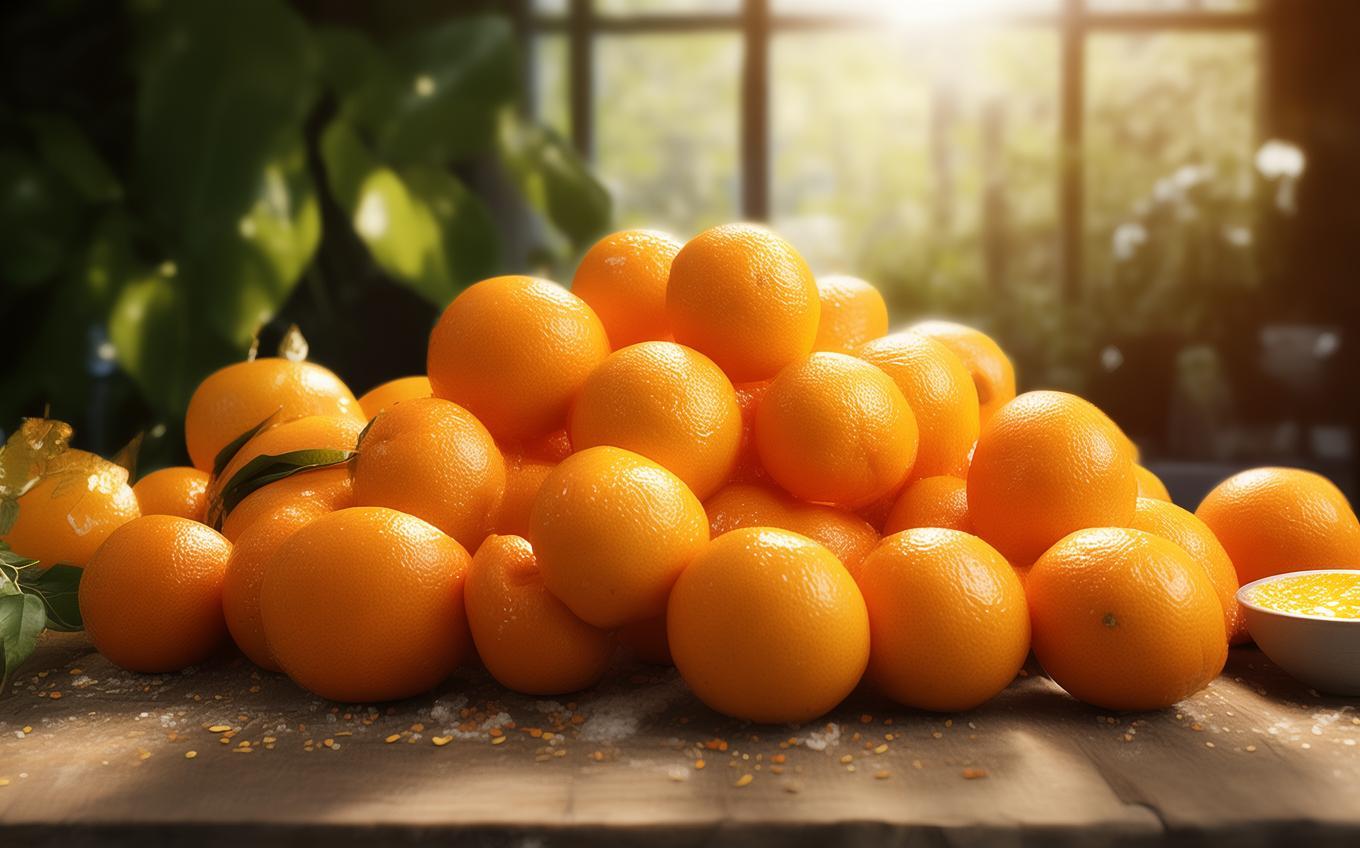
- Primary Meaning: A common citrus fruit, known as "orange" in English. It is sweet, juicy, and typically has a bright orange peel.
2. In-depth Explanation
Context and Usage
"橘子" is the standard term for "orange" (the fruit) in Mandarin Chinese. It is used in everyday conversations, especially when referring to the fruit itself or its varieties. In some regions, "橙子" (chéng zi) may also be used to refer to oranges, but "橘子" is more commonly associated with smaller, sweeter varieties, like mandarins or tangerines.
Character Breakdown
- 橘 (jú): This character specifically refers to the orange fruit or the orange tree.
- 子 (zi): A common suffix in Chinese that often turns nouns into diminutives or general terms (e.g., 桌子 - zhuō zi, "table"). Here, it softens the term to mean "orange" as a fruit.
3. Example Sentences
-
Chinese: 我喜欢吃橘子。
Pinyin: Wǒ xǐhuān chī jú zi.
English: I like to eat oranges. -
Chinese: 这个橘子很甜。
Pinyin: Zhè ge jú zi hěn tián.
English: This orange is very sweet. -
Chinese: 请给我买一些橘子。
Pinyin: Qǐng gěi wǒ mǎi yīxiē jú zi.
English: Please buy me some oranges.
Cultural Notes
Oranges (橘子) are highly symbolic in Chinese culture, especially during the Lunar New Year. They represent good luck and prosperity because the word for "orange" (橘, jú) sounds similar to the word for "luck" (吉, jí). It is common to gift oranges or display them during festivals to wish others good fortune. Additionally, oranges are a popular snack and are often eaten fresh or used in desserts and teas.
Conclusion
"橘子" (jú zi) is the Mandarin word for "orange," a sweet and popular fruit in Chinese-speaking regions. Remember that it carries cultural significance, especially during holidays, and is a handy word to know for everyday conversations about food. Practice using it in sentences to become more familiar with its usage!
Sources and Further Reading
Dictionary links are provided for independent reference. Example sentences and learning notes on this page are educational explanations rather than dictionary quotations.



Comments (0)
No comments yet. Be the first to comment!