1. Basic Information
- Word: 油条
- Pinyin: yóu tiáo
- Literal Meaning: "oil strip" or "oil stick"
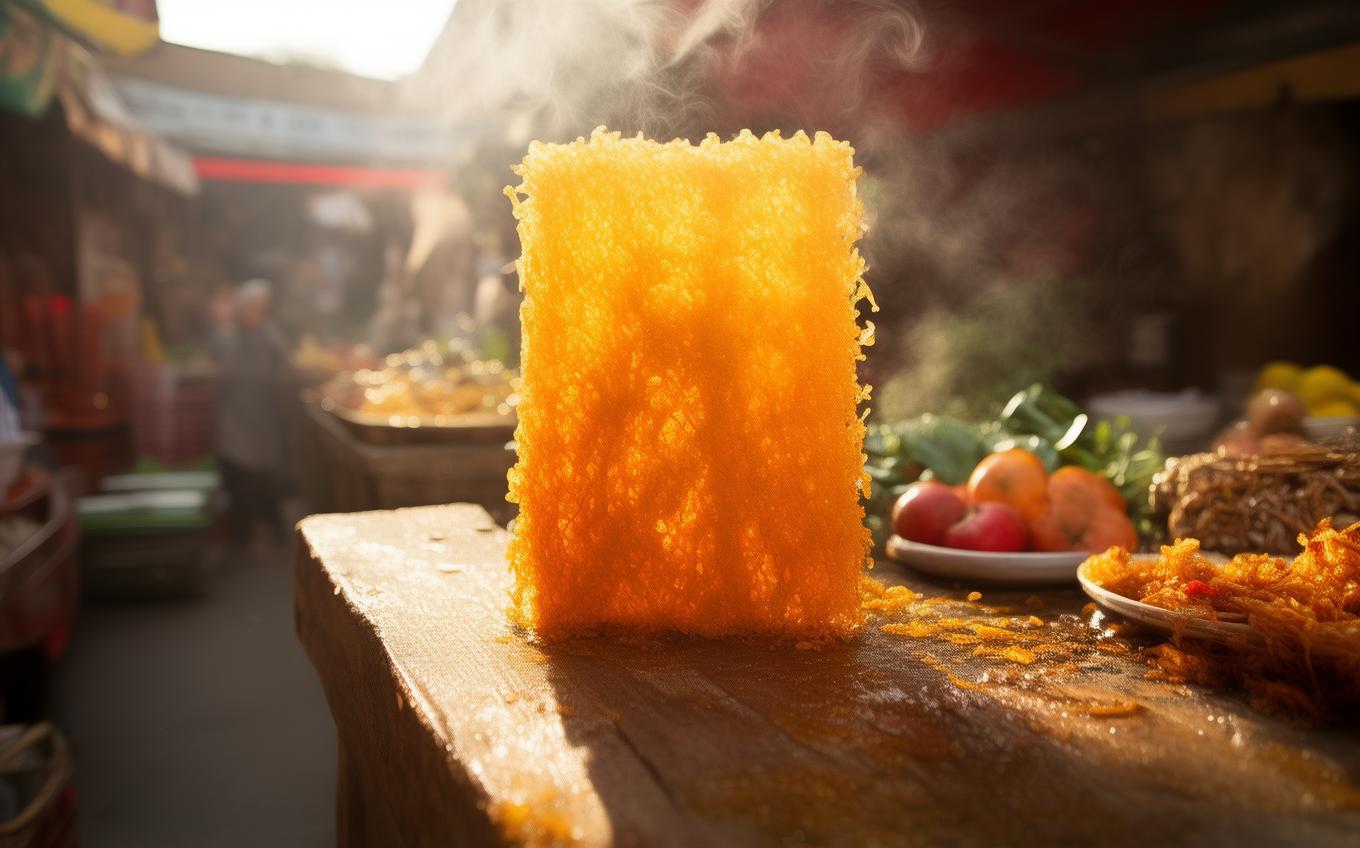
- Primary Meaning: A deep-fried dough stick, a popular Chinese breakfast food.
2. In-depth Explanation
Context and Usage
"油条" refers to a traditional Chinese fried dough pastry, commonly eaten for breakfast. It is crispy on the outside and soft on the inside, often paired with soy milk or congee. The word can also be used metaphorically to describe someone who is "slippery" or untrustworthy in colloquial contexts.
Character Breakdown
- 油 (yóu): Means "oil," referring to the frying process.
- 条 (tiáo): Means "strip" or "stick," describing the shape of the food.
3. Example Sentences
-
Chinese: 我早餐喜欢吃油条和豆浆。
Pinyin: Wǒ zǎocān xǐhuān chī yóutiáo hé dòujiāng.
English: I like to eat fried dough sticks and soy milk for breakfast. -
Chinese: 这家店的油条非常酥脆。
Pinyin: Zhè jiā diàn de yóutiáo fēicháng sūcuì.
English: The fried dough sticks at this shop are very crispy. -
Chinese: 别相信他,他是个老油条。
Pinyin: Bié xiāngxìn tā, tā shì gè lǎo yóutiáo.
English: Don’t trust him; he’s a sly old fox (literally "old fried dough stick").
Cultural Notes
- Breakfast Staple: 油条 is a classic Chinese breakfast item, often enjoyed with savory or sweet accompaniments.
- Historical Context: Legend says 油条 was created during the Song Dynasty as a protest against a corrupt official, with the dough strips symbolizing him and his wife.
- Metaphorical Use: Calling someone "老油条" implies they are cunning or experienced in dodging responsibility.
Conclusion
"油条" is not just a delicious fried snack but also a word rich in cultural and linguistic nuance. Whether you’re ordering breakfast or describing someone’s personality, this term is handy to know!
Sources and Further Reading
Dictionary links are provided for independent reference. Example sentences and learning notes on this page are educational explanations rather than dictionary quotations.


Comments (0)
No comments yet. Be the first to comment!