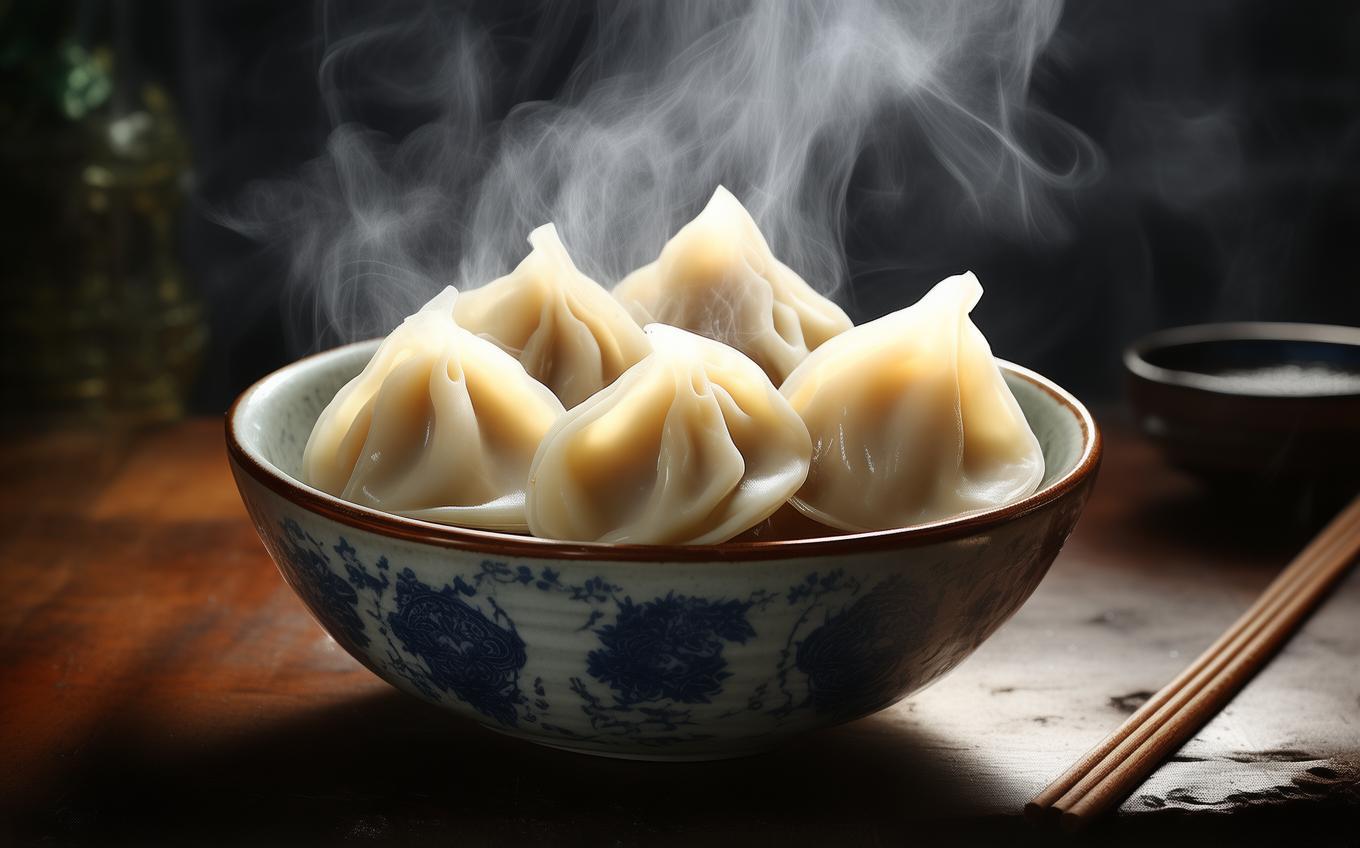
1. Basic Information
- Word: 水饺
- Pinyin: shuǐjiǎo
- Literal Meaning: "water dumpling"
- Primary Meaning: A type of traditional Chinese dumpling made of thin dough wrappers filled with minced meat and/or vegetables, boiled in water, and typically served with dipping sauce.
2. In-depth Explanation
Context and Usage
"水饺" refers specifically to boiled dumplings, distinguishing them from other cooking methods like pan-fried dumplings ("煎饺" jiānjiǎo) or steamed dumplings ("蒸饺" zhēngjiǎo). It's a staple food in northern China and particularly associated with family gatherings, especially during Chinese New Year when making and eating dumplings symbolizes family reunion and good fortune.
Character Breakdown
- 水 (shuǐ): Means "water," referring to the boiling cooking method
- 饺 (jiǎo): Means "dumpling," specifically referring to the jiaozi type of dumpling
Together, these characters specify the water-boiled preparation method that distinguishes this from other dumpling varieties.
3. Example Sentences
-
Chinese: 今晚我们吃水饺。
- Pinyin: Jīnwǎn wǒmen chī shuǐjiǎo.
- English: We're having dumplings tonight. -
Chinese: 妈妈包的水饺最好吃。
- Pinyin: Māma bāo de shuǐjiǎo zuì hǎochī.
- English: Mom makes the most delicious dumplings. -
Chinese: 春节时,全家人一起包水饺。
- Pinyin: Chūnjié shí, quán jiārén yīqǐ bāo shuǐjiǎo.
- English: During Spring Festival, the whole family makes dumplings together.
Cultural Notes
Water dumplings (水饺) hold deep cultural significance in China. Their crescent shape resembles ancient Chinese silver ingots, symbolizing wealth and prosperity. The tradition of eating dumplings at midnight during Chinese New Year represents the transition between years ("crossing the year dumplings" - 更岁饺子). Families often hide coins or special fillings in random dumplings for good luck - finding one in your dumpling means good fortune in the coming year.
Making dumplings is typically a communal activity where family members gather to prepare the filling, wrap the dumplings, and cook them together, strengthening family bonds. Different regions have distinct styles - northern dumplings tend to have thicker skins and meat-heavy fillings, while southern versions may be more delicate with varied fillings.
Conclusion
"水饺" (shuǐjiǎo) are more than just boiled dumplings - they're a delicious symbol of Chinese family tradition and celebration. Remember that the "water" character specifies the boiling method, distinguishing them from other dumpling types. Next time you see or eat these dumplings, you'll appreciate both their linguistic meaning and cultural significance.
Sources and Further Reading
Dictionary links are provided for independent reference. Example sentences and learning notes on this page are educational explanations rather than dictionary quotations.


Comments (0)
No comments yet. Be the first to comment!