1. Basic Information
- Word: 营养
- Pinyin: yíng yǎng
- Literal Meaning: "Nourish and nurture" (营 means "to nourish" or "to operate," and 养 means "to nurture" or "to cultivate.")
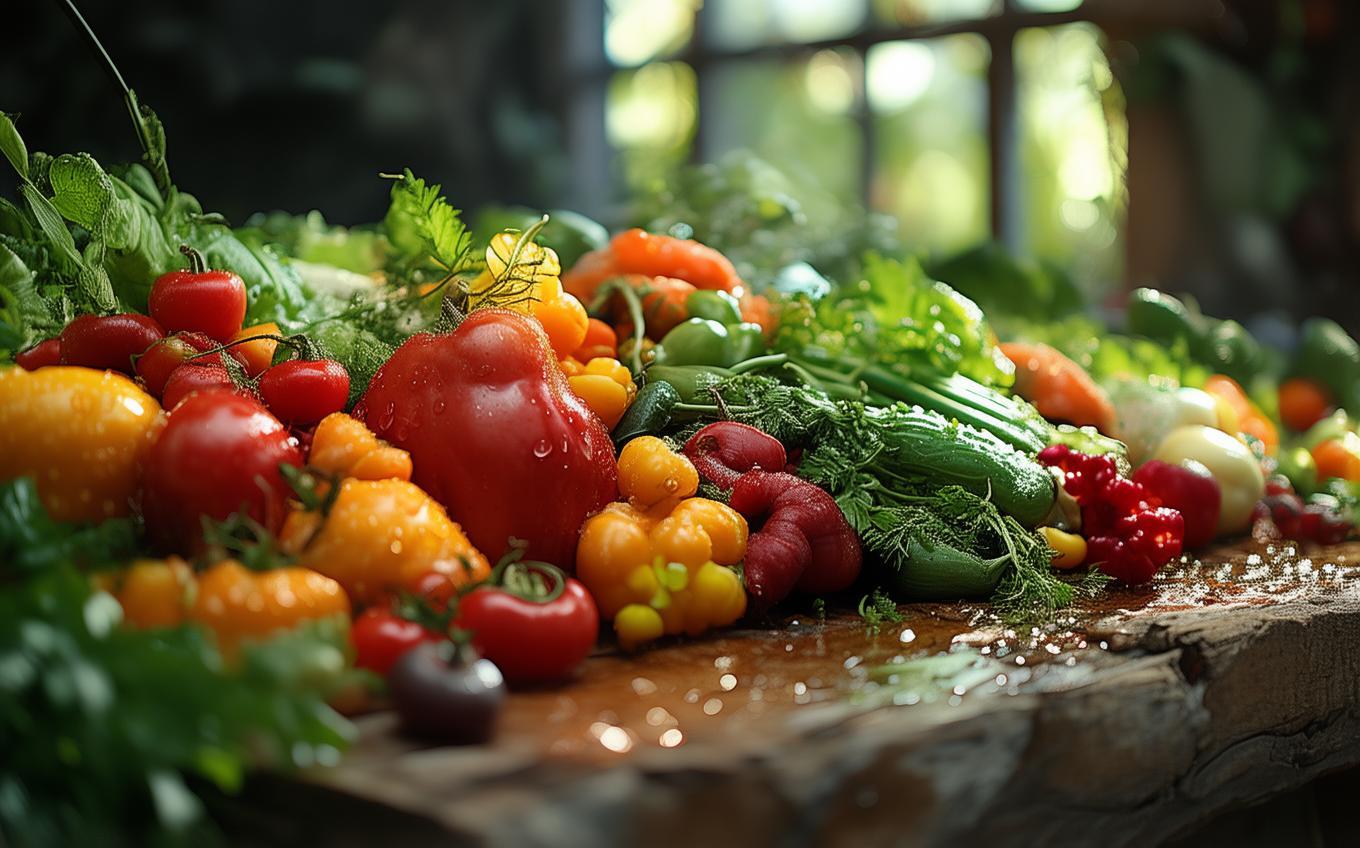
- Primary Meaning: "Nutrition" or "nourishment," referring to the substances in food that support growth, health, and bodily functions.
2. In-depth Explanation
Context and Usage
"营养" is commonly used in discussions about food, health, and diet. It can refer to the nutritional value of food, the process of nourishing the body, or even metaphorical "nourishment" for the mind (e.g., books providing "精神营养" or "spiritual nourishment").
In daily life, you might hear phrases like:
- "有营养" (yǒu yíng yǎng) – "nutritious" or "rich in nutrition."
- "缺乏营养" (quē fá yíng yǎng) – "lacking nutrition" or "malnourished."
Character Breakdown
- 营 (yíng): Originally meant "to operate" or "to manage," but in this context, it implies "to nourish" or "to provide sustenance."
- 养 (yǎng): Means "to nurture," "to raise," or "to cultivate." Together, the characters emphasize the idea of sustaining and nurturing life through proper nourishment.
3. Example Sentences
-
Chinese: 多吃蔬菜和水果对身体很有营养。
Pinyin: Duō chī shū cài hé shuǐ guǒ duì shēn tǐ hěn yǒu yíng yǎng.
English: Eating more vegetables and fruits is very nutritious for the body. -
Chinese: 这个汤的营养价值很高。
Pinyin: Zhè gè tāng de yíng yǎng jià zhí hěn gāo.
English: This soup has high nutritional value. -
Chinese: 孩子需要均衡的营养才能健康成长。
Pinyin: Hái zi xū yào jūn héng de yíng yǎng cái néng jiàn kāng chéng zhǎng.
English: Children need balanced nutrition to grow up healthily.
Cultural Notes
In Chinese culture, "营养" is deeply tied to traditional beliefs about food and health. Concepts like "食疗" (shí liáo, food therapy) emphasize eating certain foods to balance the body's energy (Qi) and prevent illness. For example, soups with herbs like ginseng or goji berries are often considered highly nutritious.
Parents and elders frequently remind younger generations to eat "有营养" foods, reflecting the cultural importance of diet in maintaining health and longevity.
Conclusion
"营养" (yíng yǎng) is a fundamental word in Chinese related to nutrition and nourishment. Whether discussing food, health, or even metaphorical sustenance, this word highlights the cultural value placed on proper nourishment for physical and mental well-being. Remember it as "nourish and nurture" to capture its essence!
Sources and Further Reading
Dictionary links are provided for independent reference. Example sentences and learning notes on this page are educational explanations rather than dictionary quotations.


Comments (0)
No comments yet. Be the first to comment!