1. Basic Information
- Word: 风景
- Pinyin: fēngjǐng
- Literal Meaning: "Wind" (风) + "Scene" (景) = "Wind and scene"
- Primary Meaning: "Scenery," "landscape," or "view" – referring to the natural or visual beauty of an area.
2. In-depth Explanation
- Context and Usage:
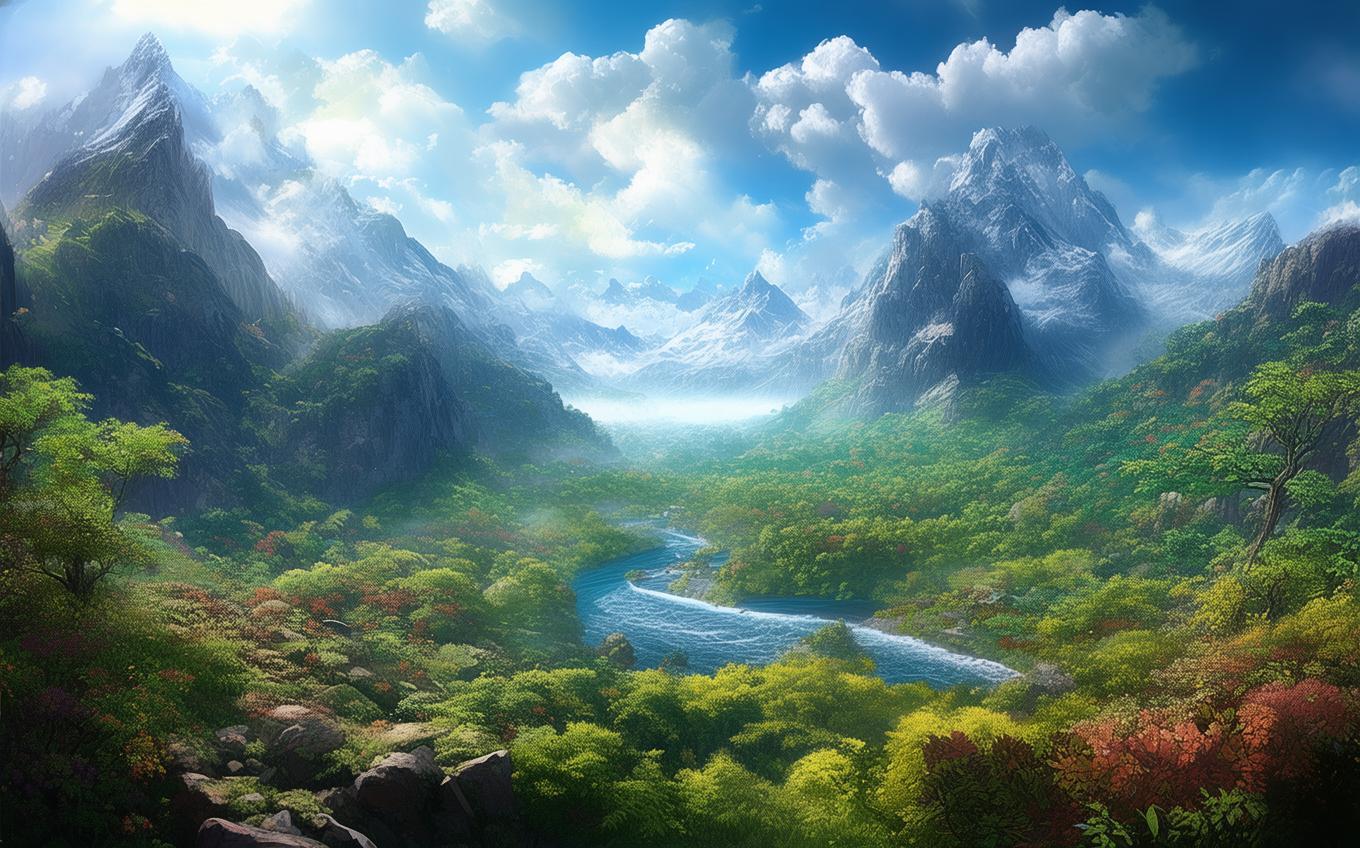
- "风景" is commonly used to describe natural or picturesque views, such as mountains, rivers, forests, or even urban landscapes.
- It can be used in both formal and casual contexts, often appearing in travel discussions, photography, or poetry.
-
Unlike "景色" (jǐngsè), which also means "scenery," "风景" has a broader, more general application.
-
Character Breakdown:
- 风 (fēng): Means "wind," but in this context, it symbolizes the natural atmosphere.
- 景 (jǐng): Means "scene" or "view," referring to what is visually observed.
- Together, they evoke the idea of a natural or aesthetically pleasing sight.
3. Example Sentences
-
Chinese: 这里的风景真美!
Pinyin: Zhèlǐ de fēngjǐng zhēn měi!
English: The scenery here is really beautiful! -
Chinese: 我们开车去山里看风景。
Pinyin: Wǒmen kāichē qù shān lǐ kàn fēngjǐng.
English: We drove to the mountains to see the scenery. -
Chinese: 这座城市有很多美丽的风景。
Pinyin: Zhè zuò chéngshì yǒu hěn duō měilì de fēngjǐng.
English: This city has many beautiful landscapes.
Cultural Notes
- In Chinese culture, "风景" is often associated with traditional landscape paintings (山水画, shānshuǐhuà), where nature is a central theme.
- Many famous Chinese poems and sayings praise "风景" as a source of inspiration and tranquility.
- Tourists in China often seek out "风景名胜" (fēngjǐng míngshèng), meaning "scenic spots," such as the Great Wall or Guilin’s karst mountains.
Conclusion
"风景" (fēngjǐng) is a versatile word for describing beautiful scenery, whether natural or man-made. Remember it as "wind + scene," evoking the idea of a picturesque view. Use it when talking about travel, photography, or simply appreciating the beauty around you!
Sources and Further Reading
Dictionary links are provided for independent reference. Example sentences and learning notes on this page are educational explanations rather than dictionary quotations.
Comments (0)
No comments yet. Be the first to comment!