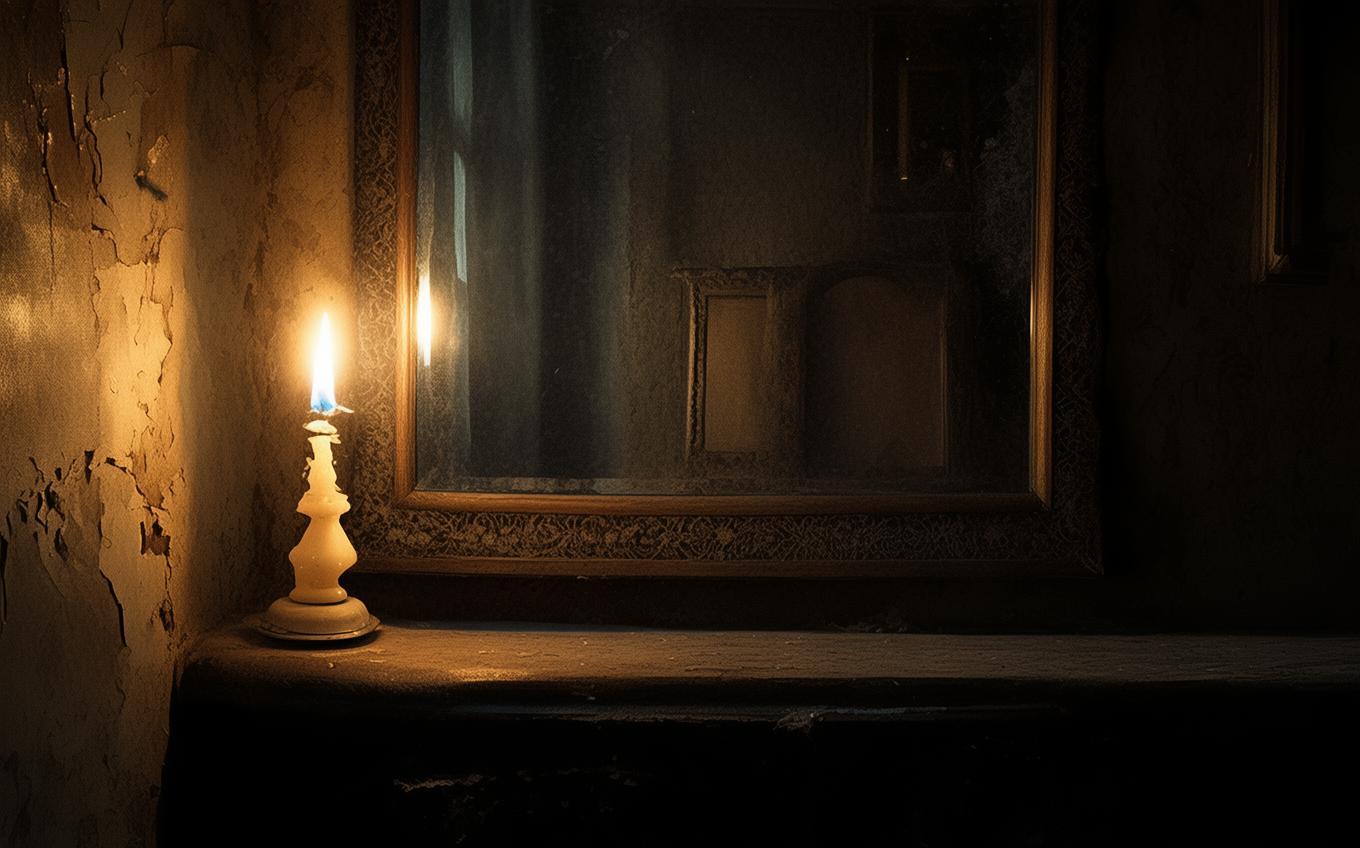
1. Basic Information
- Word: 黑暗
- Pinyin: hēi àn
- Literal Meaning: "black dark" (黑 = black; 暗 = dark)
- Primary Meaning: "darkness" (both literal and metaphorical, e.g., lack of light or moral corruption)
2. In-depth Explanation
Context and Usage
"黑暗" is used to describe:
1. Physical darkness (e.g., a room with no light).
2. Metaphorical darkness (e.g., evil, despair, or a corrupt society).
It carries a stronger, more negative connotation than just "dark" (暗). It often implies something ominous or oppressive.
Character Breakdown
- 黑 (hēi): Means "black" or "dark." Can also symbolize evil or illegality (e.g., 黑社会, "underworld").
- 暗 (àn): Means "dark" or "hidden." Often used for literal darkness or secrecy (e.g., 暗示, "hint").
Together, they intensify the idea of darkness, both visually and symbolically.
3. Example Sentences
-
Chinese: 房间里一片黑暗。
Pinyin: Fángjiān lǐ yípiàn hēi’àn.
English: The room was completely dark. -
Chinese: 那个时代充满了黑暗和不公。
Pinyin: Nàgè shídài chōngmǎnle hēi’àn hé bùgōng.
English: That era was full of darkness and injustice. -
Chinese: 他害怕黑暗,总是开着灯睡觉。
Pinyin: Tā hàipà hēi’àn, zǒngshì kāizhe dēng shuìjiào.
English: He’s afraid of the dark and always sleeps with the light on.
Cultural Notes
In Chinese culture, "黑暗" is often used in literature and media to describe:
- Historical periods of turmoil (e.g., wars, political struggles).
- Moral decay or societal corruption (e.g., in movies about crime).
It’s a powerful word that evokes strong imagery, so it’s rarely used lightly.
Conclusion
"黑暗" (hēi àn) means "darkness," both literally and metaphorically. Remember:
- 黑 = black/dark, 暗 = dark/hidden.
- It’s used for physical darkness and abstract concepts like evil or despair.
- Common in serious or negative contexts.
Now you can use it to describe everything from a pitch-black room to a grim historical era!
Sources and Further Reading
Dictionary links are provided for independent reference. Example sentences and learning notes on this page are educational explanations rather than dictionary quotations.


Comments (0)
No comments yet. Be the first to comment!