1. Basic Information
- Word: 锻炼
- Pinyin: duàn liàn
- Literal Meaning: "锻" means "to forge" (as in metalworking), and "炼" means "to refine" or "to temper." Together, they evoke the idea of forging and refining through effort.
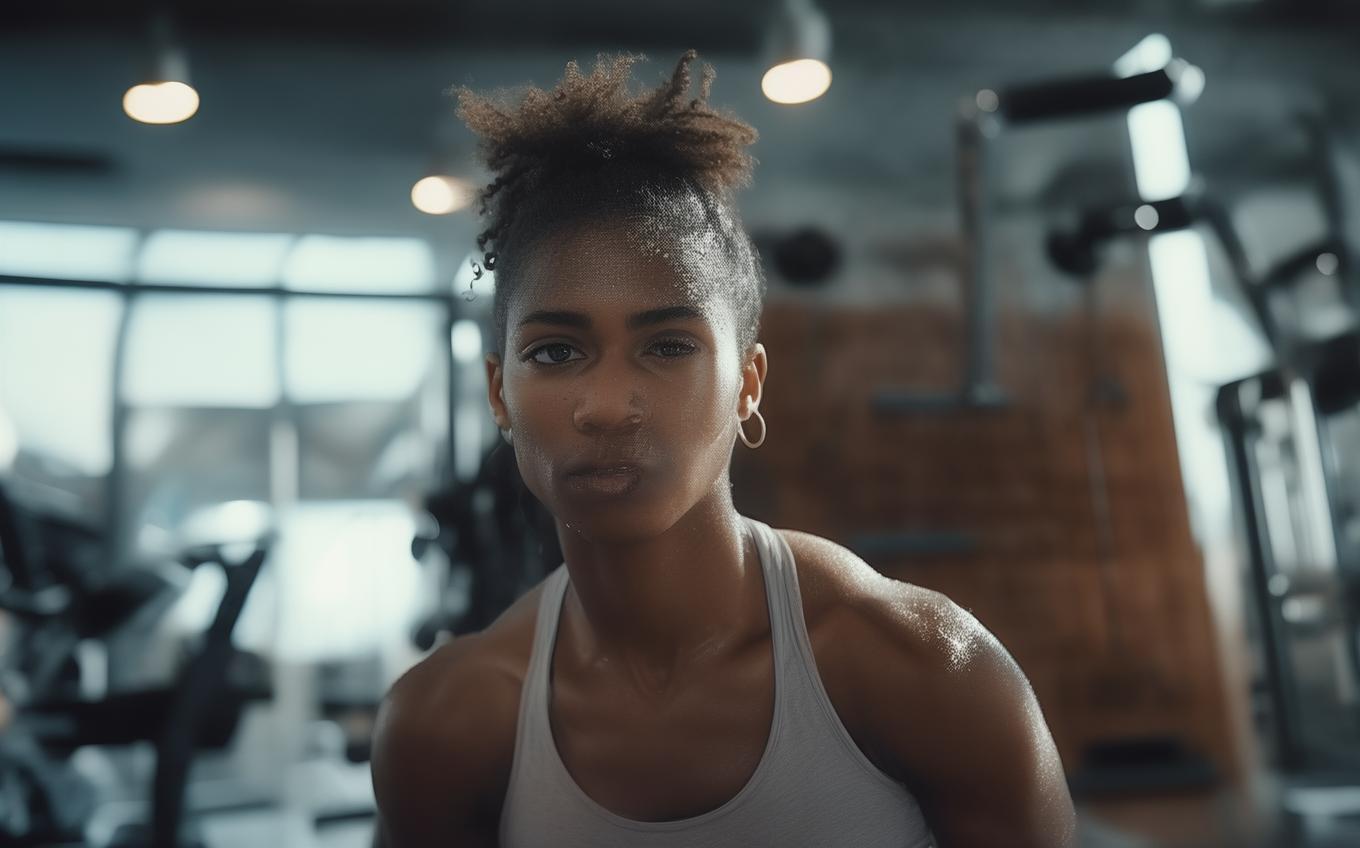
- Primary Meaning: "Exercise" or "physical training," but it can also refer to mental or skill-based practice to improve oneself.
2. In-depth Explanation
Context and Usage
"锻炼" is most commonly used to describe physical exercise, such as working out, jogging, or playing sports. However, it can also apply to non-physical contexts, like practicing a skill or toughening one's willpower. For example:
- Physical: "他每天锻炼身体" (He exercises every day).
- Mental/Skill-based: "锻炼你的写作能力" (Practice your writing skills).
The word carries a positive connotation of self-improvement and discipline.
Character Breakdown
- 锻 (duàn): Originally referred to forging metal, symbolizing hard work and transformation.
- 炼 (liàn): Means "to refine" or "to temper," often used in contexts like refining metals or purifying substances.
Together, they emphasize the process of improvement through persistent effort.
3. Example Sentences
-
Chinese: 我每天早上锻炼半小时。
Pinyin: Wǒ měi tiān zǎoshang duànliàn bàn xiǎoshí.
English: I exercise for half an hour every morning. -
Chinese: 锻炼能帮助你保持健康。
Pinyin: Duànliàn néng bāngzhù nǐ bǎochí jiànkāng.
English: Exercise can help you stay healthy. -
Chinese: 这次挑战是锻炼意志的好机会。
Pinyin: Zhè cì tiǎozhàn shì duànliàn yìzhì de hǎo jīhuì.
English: This challenge is a great opportunity to toughen your willpower.
Cultural Notes
In Chinese culture, "锻炼" is highly valued, especially in the context of self-discipline and long-term improvement. Traditional practices like Tai Chi (太极拳) or Qigong (气功) are forms of "锻炼" that combine physical and mental training. The concept also aligns with Confucian and Daoist ideals of self-cultivation.
Conclusion
"锻炼" (duàn liàn) is a versatile word encompassing physical exercise, skill practice, and mental fortitude. Remember it as "forging oneself through effort," whether in the gym, at work, or in personal growth. Keep practicing, and you’ll master it!
Sources and Further Reading
Dictionary links are provided for independent reference. Example sentences and learning notes on this page are educational explanations rather than dictionary quotations.



Comments (0)
No comments yet. Be the first to comment!