
1. Basic Information
- Word: 爷爷奶奶
- Pinyin: yé ye nǎi nai
- Literal Meaning: "Grandfather grandmother"
- Primary Meaning: Refers to paternal grandparents (grandfather and grandmother on the father's side).
2. In-depth Explanation
Context and Usage
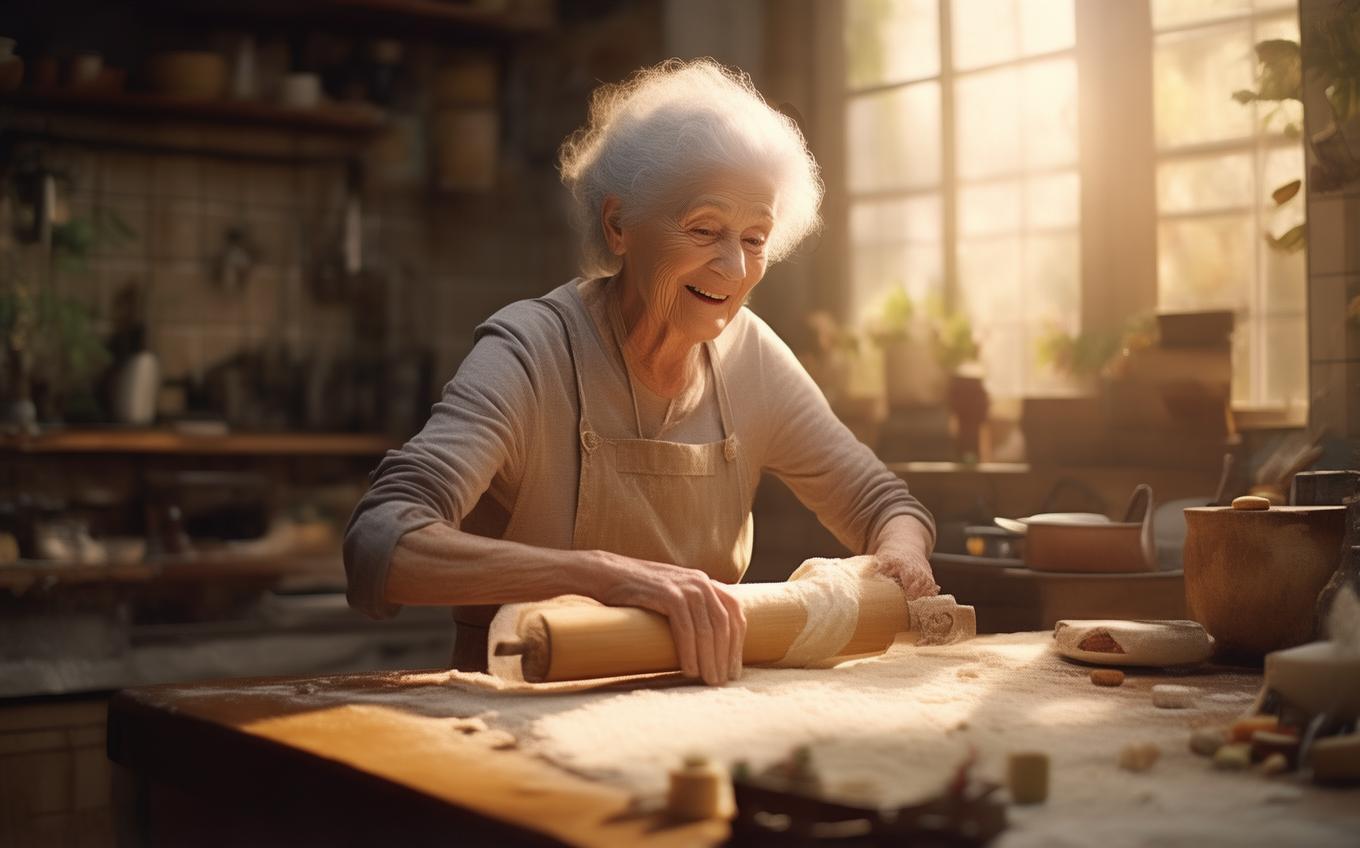
"爷爷奶奶" is a common term used to address or refer to one's paternal grandparents. In Chinese culture, family hierarchy is important, and the paternal side traditionally holds more prominence in familial structure. This term is neutral and respectful, suitable for both formal and informal contexts.
Unlike English, where "grandparents" is a gender-neutral collective term, Chinese specifies the relationship by combining "爷爷" (grandfather) and "奶奶" (grandmother).
Character Breakdown
- 爷爷 (yé ye): Paternal grandfather
- 爷 (yé): An honorific term for elder male figures.
- 爷 (repeated): Reduplication denotes familiarity and affection.
- 奶奶 (nǎi nai): Paternal grandmother
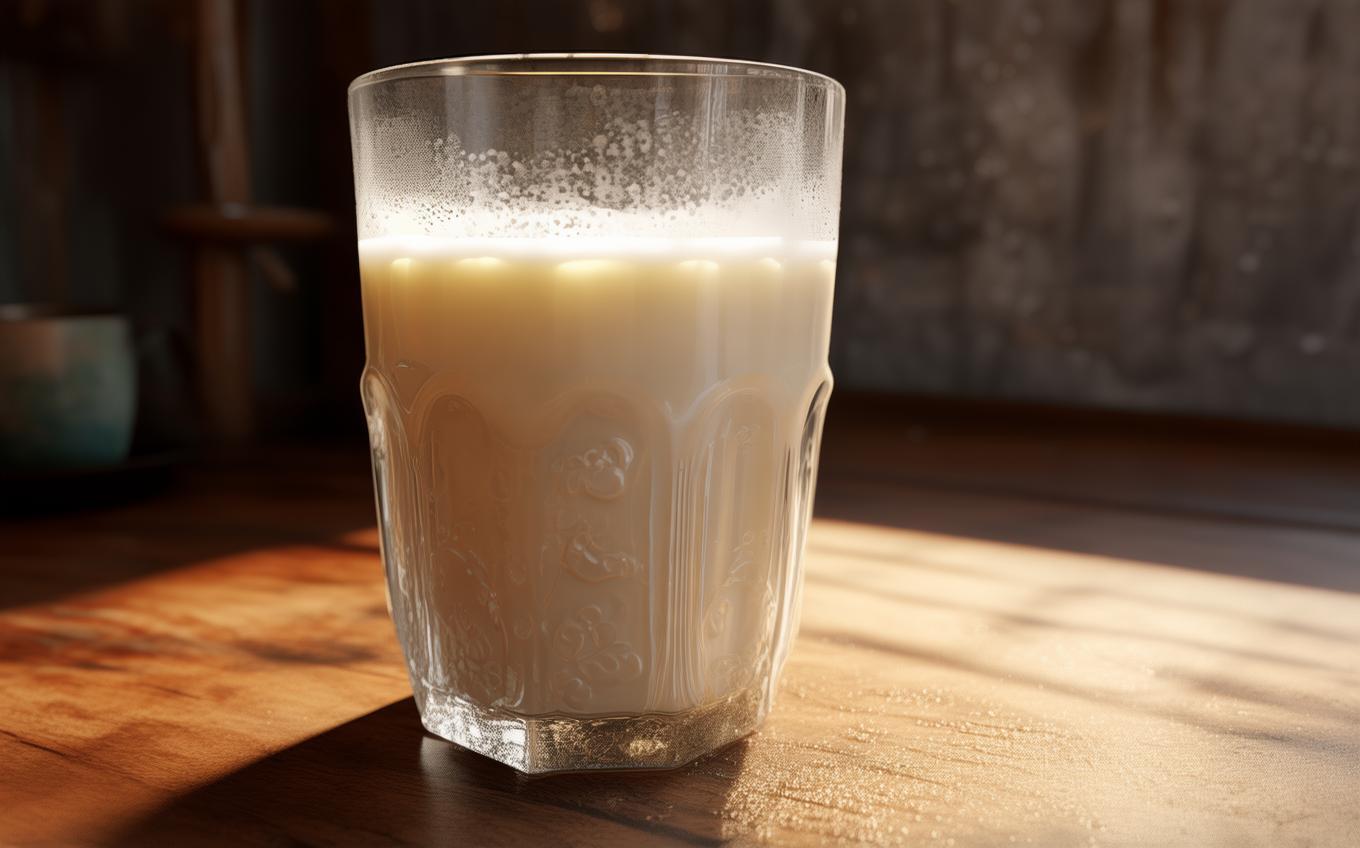
- 奶 (nǎi): Originally meaning "milk," extended to mean "grandmother."
- 奶 (repeated): Reduplication softens the term, making it affectionate.
3. Example Sentences
-
Chinese: 我的爷爷奶奶住在乡下。
Pinyin: Wǒ de yé ye nǎi nai zhù zài xiāng xià.
English: My grandparents live in the countryside. -
Chinese: 周末我要去看望爷爷奶奶。
Pinyin: Zhōu mò wǒ yào qù kàn wàng yé ye nǎi nai.
English: I’m going to visit my grandparents this weekend. -
Chinese: 爷爷奶奶给我讲了很多有趣的故事。
Pinyin: Yé ye nǎi nai gěi wǒ jiǎng le hěn duō yǒu qù de gù shi.
English: My grandparents told me many interesting stories.
Cultural Notes
In Chinese families, grandparents often play a significant role in childcare and passing down traditions. The paternal side ("爷爷奶奶") is typically emphasized more than the maternal side ("外公外婆"), reflecting historical Confucian values prioritizing the father's lineage.
During holidays like Chinese New Year, grandchildren often visit their "爷爷奶奶" to pay respects and celebrate together.
Conclusion
"爷爷奶奶" (yé ye nǎi nai) is a warm and respectful term for paternal grandparents. Understanding this word helps learners grasp Chinese family structures and cultural values. Remember, "爷爷" is grandfather, and "奶奶" is grandmother—together, they form the cherished unit of paternal grandparents.
Sources and Further Reading
Dictionary links are provided for independent reference. Example sentences and learning notes on this page are educational explanations rather than dictionary quotations.

Comments (0)
No comments yet. Be the first to comment!