
1. Basic Information
- Word: 下面
- Pinyin: xià miàn
- Literal Meaning: "below the surface" or "under the face"
- Primary Meaning: "below," "underneath," "next part," or "the following"
2. In-depth Explanation
Context and Usage
"下面" is a versatile word used in both spatial and sequential contexts:
1. Spatial Meaning: Refers to a physical position below something (e.g., "The book is under the table").
2. Sequential Meaning: Indicates "the following part" (e.g., "Please read the following instructions").
3. Hierarchical Meaning: Can imply "subordinate" or "lower level" (e.g., "Listen to the people below").
Character Breakdown
- 下 (xià): Means "down," "below," or "under."
- 面 (miàn): Means "face," "surface," or "side." Together, they form "below the surface" or "the following part."
3. Example Sentences
-
Chinese: 书在桌子下面。
Pinyin: Shū zài zhuōzi xiàmiàn.
English: The book is under the table. -
Chinese: 请看下面的说明。
Pinyin: Qǐng kàn xiàmiàn de shuōmíng.
English: Please read the following instructions. -
Chinese: 下面的问题很重要。
Pinyin: Xiàmiàn de wèntí hěn zhòngyào.
English: The following question is very important.
Cultural Notes
- In Chinese culture, hierarchy is important, so "下面" can sometimes imply respect for authority (e.g., "the leaders above and the workers below").
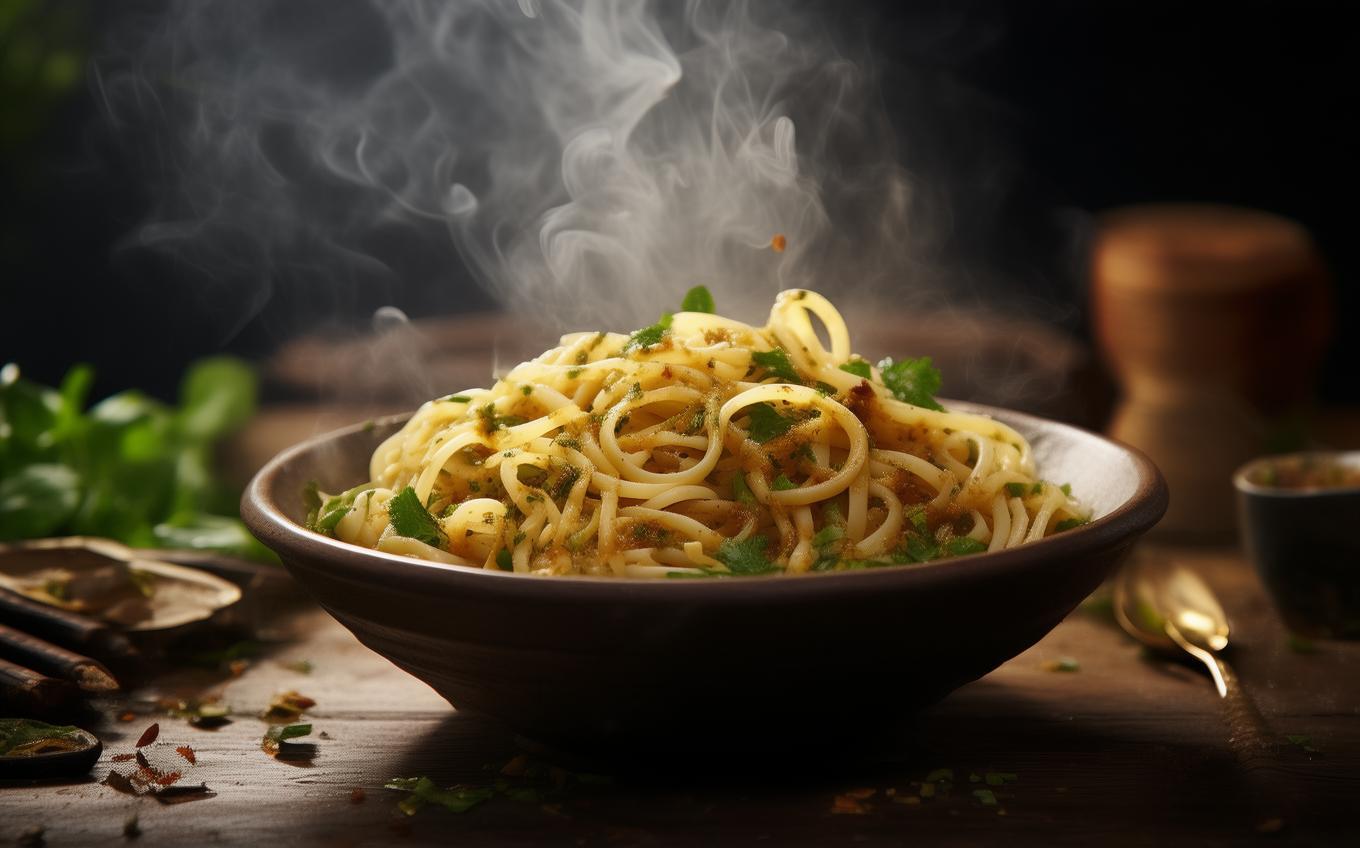
- In cooking, "下面" (xià miàn) can also mean "to cook noodles," as "面" can mean "noodles" in culinary contexts.
Conclusion
"下面" is a practical word for describing positions, sequences, or hierarchies. Remember:
- Spatially: "under" or "below."
- Sequentially: "the following."
- Culturally: Can reflect social structure or even noodles!
Use it confidently in daily conversations and writing.
Sources and Further Reading
Dictionary links are provided for independent reference. Example sentences and learning notes on this page are educational explanations rather than dictionary quotations.


Comments (0)
No comments yet. Be the first to comment!