1. Basic Information
- Word: 鲜花
- Pinyin: xiān huā
- Literal Meaning: "fresh flowers"
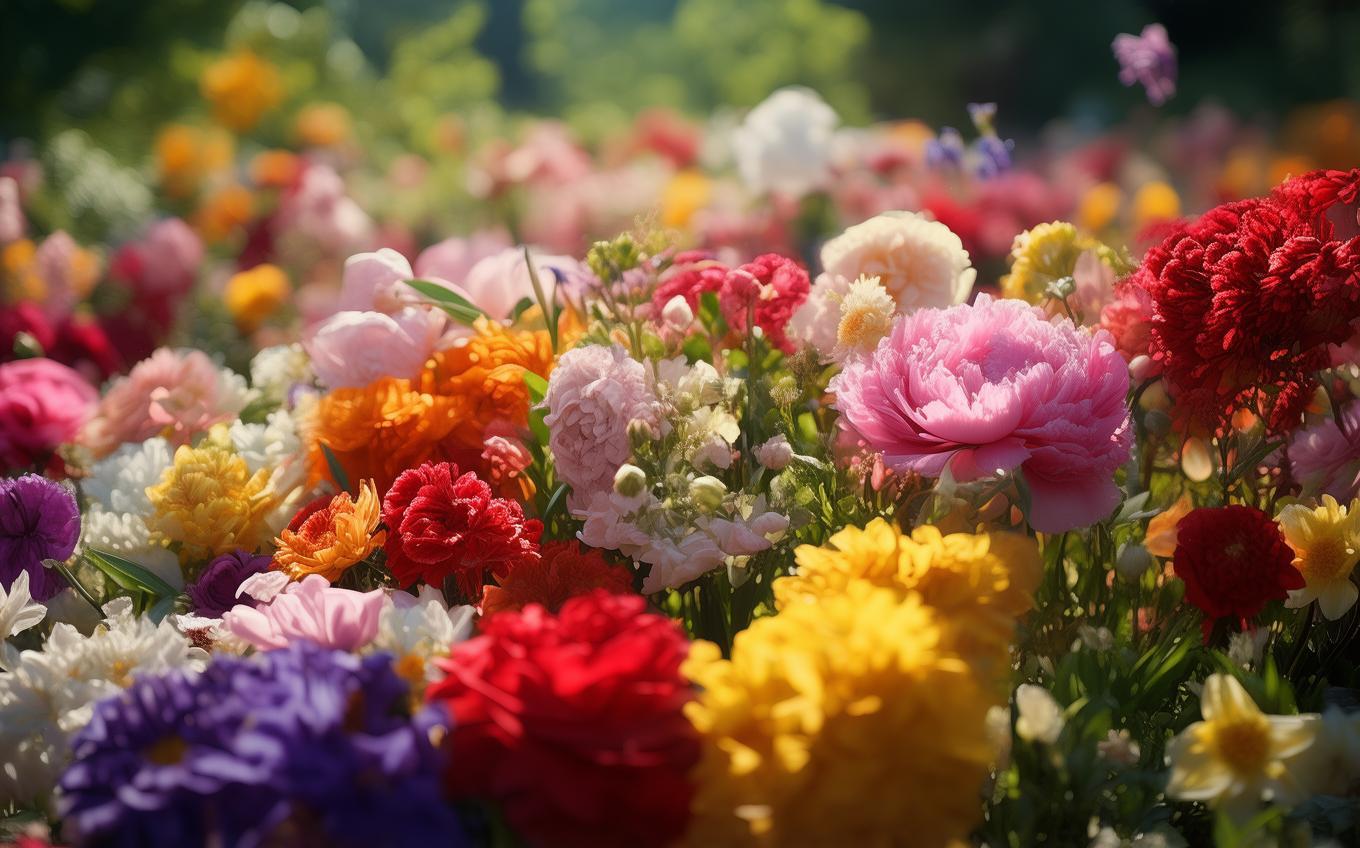
- Primary Meaning: Fresh, blooming flowers; often used to describe cut flowers or live flowers that are vibrant and beautiful.
2. In-depth Explanation
Context and Usage
"鲜花" refers to fresh, unwilted flowers, commonly used in gifts, decorations, or ceremonies. It carries positive connotations of beauty, vitality, and celebration. Unlike "花" (huā), which can refer to flowers in general (including dried or artificial ones), "鲜花" specifically emphasizes freshness.
Character Breakdown
- 鲜 (xiān): Means "fresh" or "delicious." Here, it emphasizes the liveliness of the flowers.
- 花 (huā): Means "flower." Combined, the term highlights the natural beauty of fresh blooms.
3. Example Sentences
-
Chinese: 她收到了一束美丽的鲜花。
Pinyin: Tā shōu dào le yī shù měi lì de xiān huā.
English: She received a beautiful bouquet of fresh flowers. -
Chinese: 婚礼上摆满了鲜花。
Pinyin: Hūn lǐ shàng bǎi mǎn le xiān huā.
English: The wedding was decorated with fresh flowers everywhere. -
Chinese: 他每周都会买鲜花放在客厅里。
Pinyin: Tā měi zhōu dōu huì mǎi xiān huā fàng zài kè tīng lǐ.
English: He buys fresh flowers every week and puts them in the living room.
Cultural Notes
In Chinese culture, "鲜花" are often given as gifts for birthdays, anniversaries, or festivals like Lunar New Year. They symbolize good wishes and joy. White or yellow flowers, however, are sometimes associated with funerals, so color choice matters in gifting.
Conclusion
"鲜花" (xiān huā) refers to fresh, vibrant flowers, commonly used in gifts and celebrations. Remember, it emphasizes the freshness and beauty of the blooms, making it a delightful word to use in positive contexts.
Sources and Further Reading
Dictionary links are provided for independent reference. Example sentences and learning notes on this page are educational explanations rather than dictionary quotations.


Comments (0)
No comments yet. Be the first to comment!