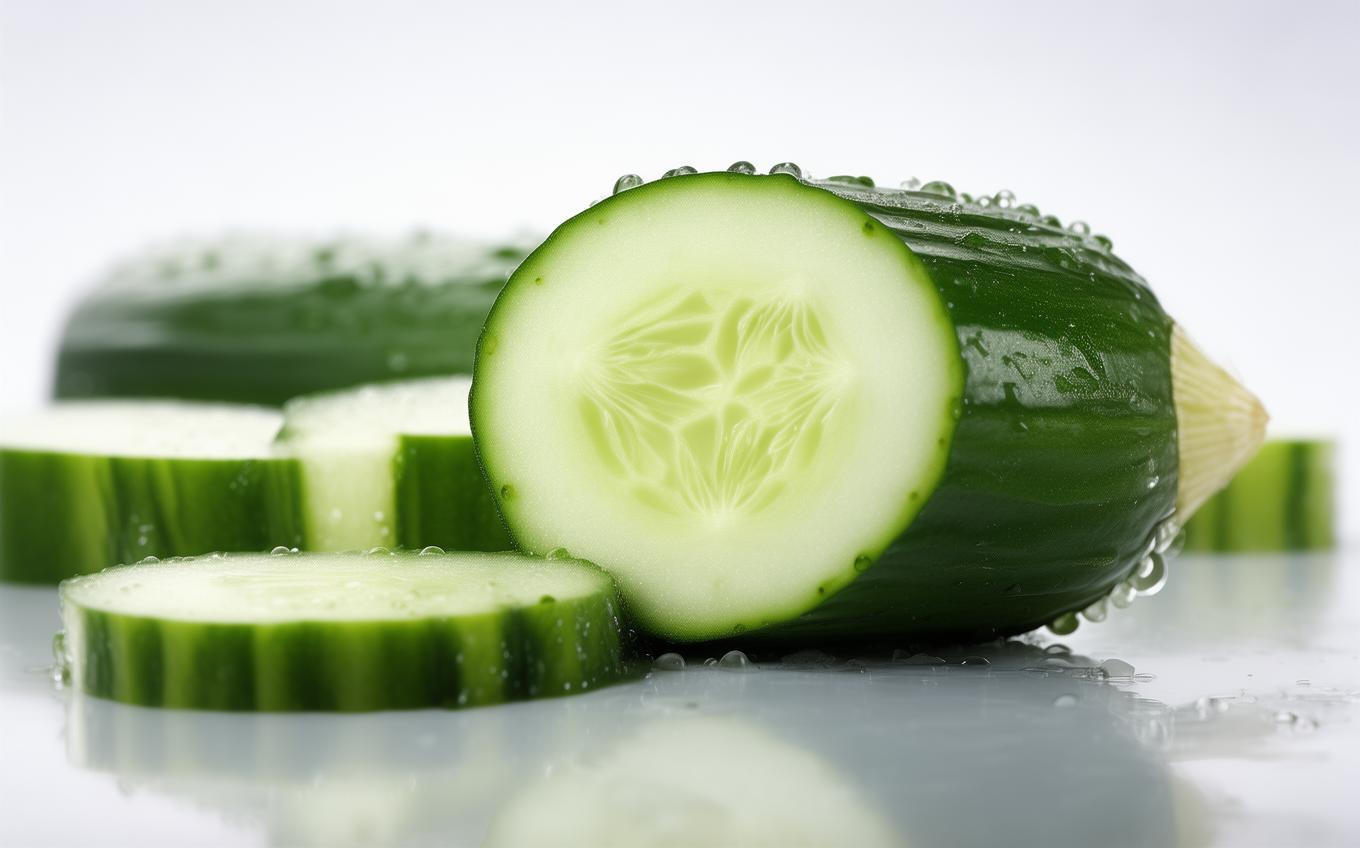
1. Basic Information
- Word: 黄瓜
- Pinyin: huáng guā
- Literal Meaning: "yellow melon"
- Primary Meaning: cucumber
2. In-depth Explanation
-
Context and Usage:
"黄瓜" refers to the common vegetable known as cucumber in English. It is widely used in Chinese cuisine, eaten raw in salads, pickled, or cooked in stir-fries. The word is neutral and can be used in both formal and informal contexts. -
Character Breakdown:
- 黄 (huáng): means "yellow."
- 瓜 (guā): means "melon" or "gourd."
Together, they describe the vegetable's appearance, as some cucumber varieties turn yellow when ripe.
3. Example Sentences
-
Chinese: 我喜欢吃凉拌黄瓜。
Pinyin: Wǒ xǐhuān chī liángbàn huángguā.
English: I like to eat cold cucumber salad. -
Chinese: 请帮我买两根黄瓜。
Pinyin: Qǐng bāng wǒ mǎi liǎng gēn huángguā.
English: Please help me buy two cucumbers. -
Chinese: 黄瓜对皮肤很好。
Pinyin: Huángguā duì pífū hěn hǎo.
English: Cucumbers are good for the skin.
Cultural Notes
In China, cucumbers are not only a staple in everyday meals but also valued for their cooling properties in traditional Chinese medicine, especially during hot summers. They are often used in skincare routines, with cucumber slices placed on the eyes to reduce puffiness.
Conclusion
"黄瓜" (huáng guā) means "cucumber," a versatile and healthy vegetable in Chinese cuisine. Remember its literal meaning, "yellow melon," and enjoy it in salads, stir-fries, or even as a skincare remedy!
Sources and Further Reading
Dictionary links are provided for independent reference. Example sentences and learning notes on this page are educational explanations rather than dictionary quotations.


Comments (0)
No comments yet. Be the first to comment!