1. Basic Information
- Word: 看电影
- Pinyin: kàn diànyǐng
- Literal Meaning: "look" (看) + "electric shadow" (电影, meaning "movie")
- Primary Meaning: To watch a movie (in a theater or at home).
2. In-depth Explanation
Context and Usage
"看电影" is the most common way to say "watch a movie" in Chinese. It can refer to:
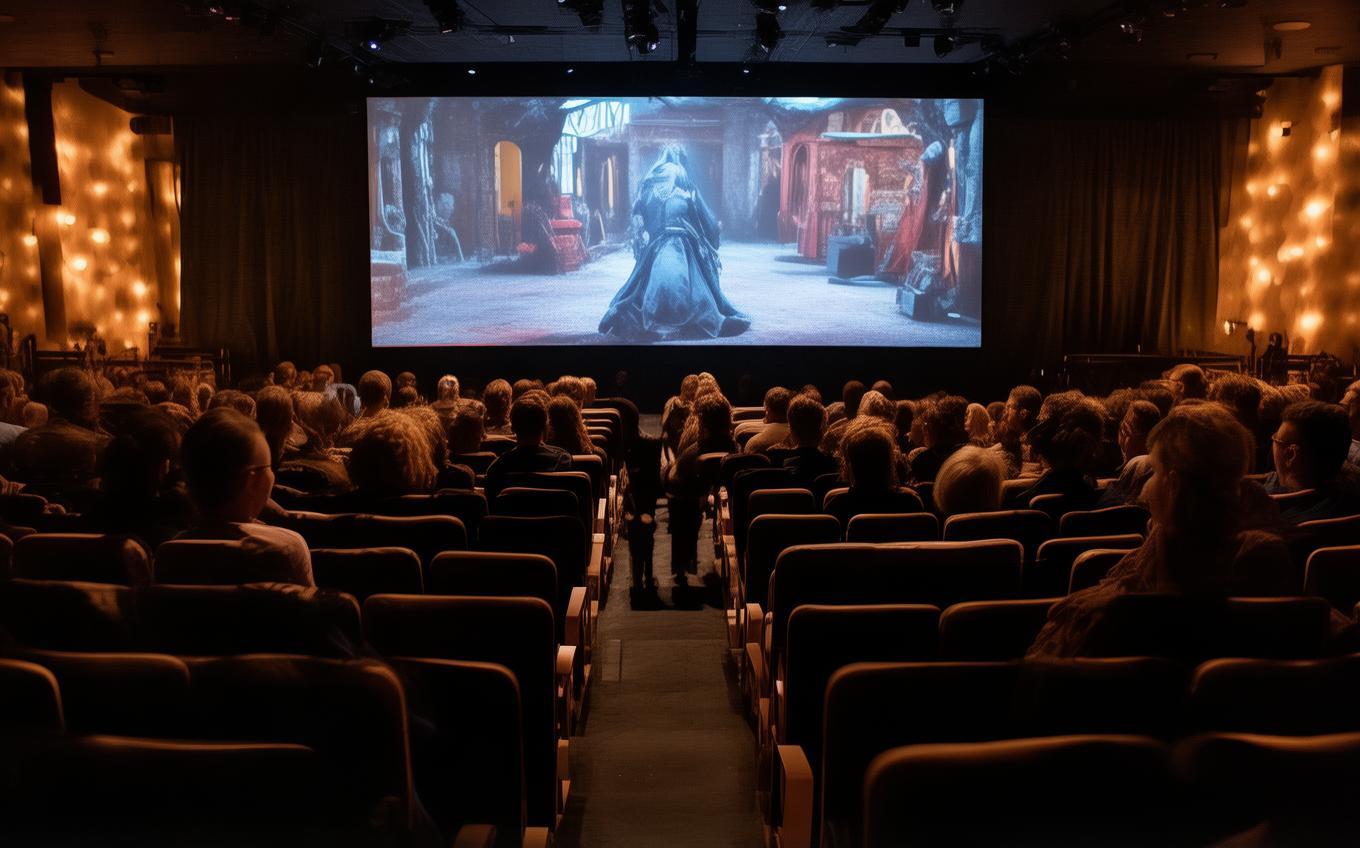
- Watching a film in a cinema (e.g., "我们去电影院看电影" – "Let’s go to the cinema to watch a movie").
- Watching a movie at home (e.g., "今晚在家看电影" – "Watch a movie at home tonight").
Unlike English, where "see a movie" and "watch a movie" can sometimes be used interchangeably, Chinese primarily uses "看电影" for both contexts.
Character Breakdown
- 看 (kàn): Means "to look," "to watch," or "to see."
- 电影 (diànyǐng): Literally "electric shadow," an old term for movies derived from early film projection technology.
3. Example Sentences
-
Chinese: 周末我喜欢和朋友看电影。
Pinyin: Zhōumò wǒ xǐhuān hé péngyou kàn diànyǐng.
English: On weekends, I like to watch movies with friends. -
Chinese: 你今晚想看电影吗?
Pinyin: Nǐ jīnwǎn xiǎng kàn diànyǐng ma?
English: Do you want to watch a movie tonight? -
Chinese: 这部电影很好看,我们看了两遍。
Pinyin: Zhè bù diànyǐng hěn hǎokàn, wǒmen kànle liǎng biàn.
English: This movie is very good; we watched it twice.
Cultural Notes
- Cinema Culture: Going to the movies is a popular social activity in China, especially during holidays. Blockbuster releases often coincide with festivals like Chinese New Year.
- Streaming: Many Chinese people also use platforms like 腾讯视频 (Tencent Video) or 爱奇艺 (iQiyi) to "看电影" at home.
- Historical Term: The word "电影" (diànyǐng) reflects early 20th-century technology when films were called "electric shadows" due to projected light.
Conclusion
"看电影" (kàn diànyǐng) is a straightforward and essential phrase for movie-related conversations in Chinese. Whether you’re planning a cinema trip or a cozy movie night, this term will come in handy!
Sources and Further Reading
Dictionary links are provided for independent reference. Example sentences and learning notes on this page are educational explanations rather than dictionary quotations.



Comments (0)
No comments yet. Be the first to comment!