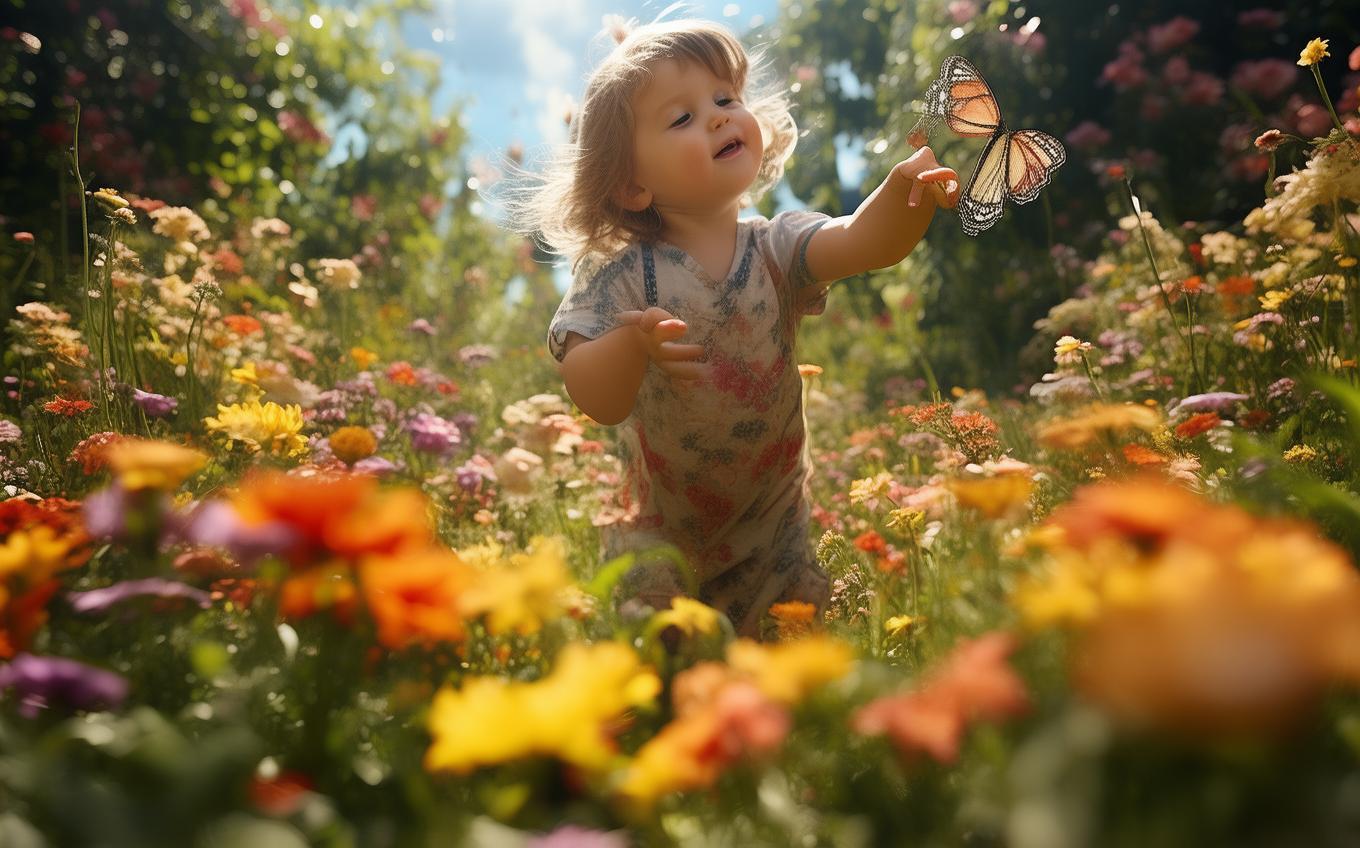
1. Basic Information
- Word: 孩子
- Pinyin: hái zi
- Literal Meaning: "child" (孩) + suffix (子)
- Primary Meaning: "child" or "children" (used to refer to young people, typically under the age of 18)
2. In-depth Explanation
- Context and Usage:
- "孩子" is a common and neutral term for "child" in Mandarin. It can refer to one's own children or children in general.
- It is often used affectionately, especially by parents or elders.
- Unlike "儿子" (ér zi, "son") or "女儿" (nǚ ér, "daughter"), "孩子" is gender-neutral.
-
In informal speech, it can also be used to address someone younger in a caring or affectionate way, even if they are not literally a child (e.g., a teacher might say "孩子们" to students).
-
Character Breakdown:
- 孩 (hái): Means "child" or "young person."
- 子 (zi): A common suffix in Chinese that can indicate nouns (e.g., 桌子 - zhuō zi, "table"). Here, it softens the term, making it sound more natural in speech.
3. Example Sentences
-
Chinese: 这个孩子很聪明。
Pinyin: Zhè ge hái zi hěn cōng míng.
English: This child is very smart. -
Chinese: 我的孩子喜欢画画。
Pinyin: Wǒ de hái zi xǐ huān huà huà.
English: My child likes drawing. -
Chinese: 孩子们在公园里玩。
Pinyin: Hái zi men zài gōng yuán lǐ wán.
English: The children are playing in the park.
Cultural Notes
- In Chinese culture, "孩子" is often used with warmth and care, reflecting the high value placed on family and children.
- The term can also imply innocence or youthfulness, and it’s common for adults to refer to young adults or even younger colleagues as "孩子" in a nurturing context.
- During festivals like Chinese New Year, elders often give "红包" (hóng bāo, red envelopes) to "孩子" as a blessing.
Conclusion
"孩子" (hái zi) is a versatile and affectionate term for "child" in Chinese. Whether you’re talking about your own kids or children in general, this word is essential for everyday conversations. Remember its gender-neutral and warm tone, and practice using it in sentences to sound more natural!
Sources and Further Reading
Dictionary links are provided for independent reference. Example sentences and learning notes on this page are educational explanations rather than dictionary quotations.



Comments (0)
No comments yet. Be the first to comment!