1. Basic Information
- Word: 节奏
- Pinyin: jiézòu
- Literal Meaning: "节" (section, rhythm) + "奏" (to play, to perform) = "rhythmic cadence"
- Primary Meaning: "Rhythm" or "pace," referring to the patterned flow of sounds, movements, or events in time.
2. In-depth Explanation
Context and Usage
"节奏" is a versatile word used in both literal and figurative contexts:
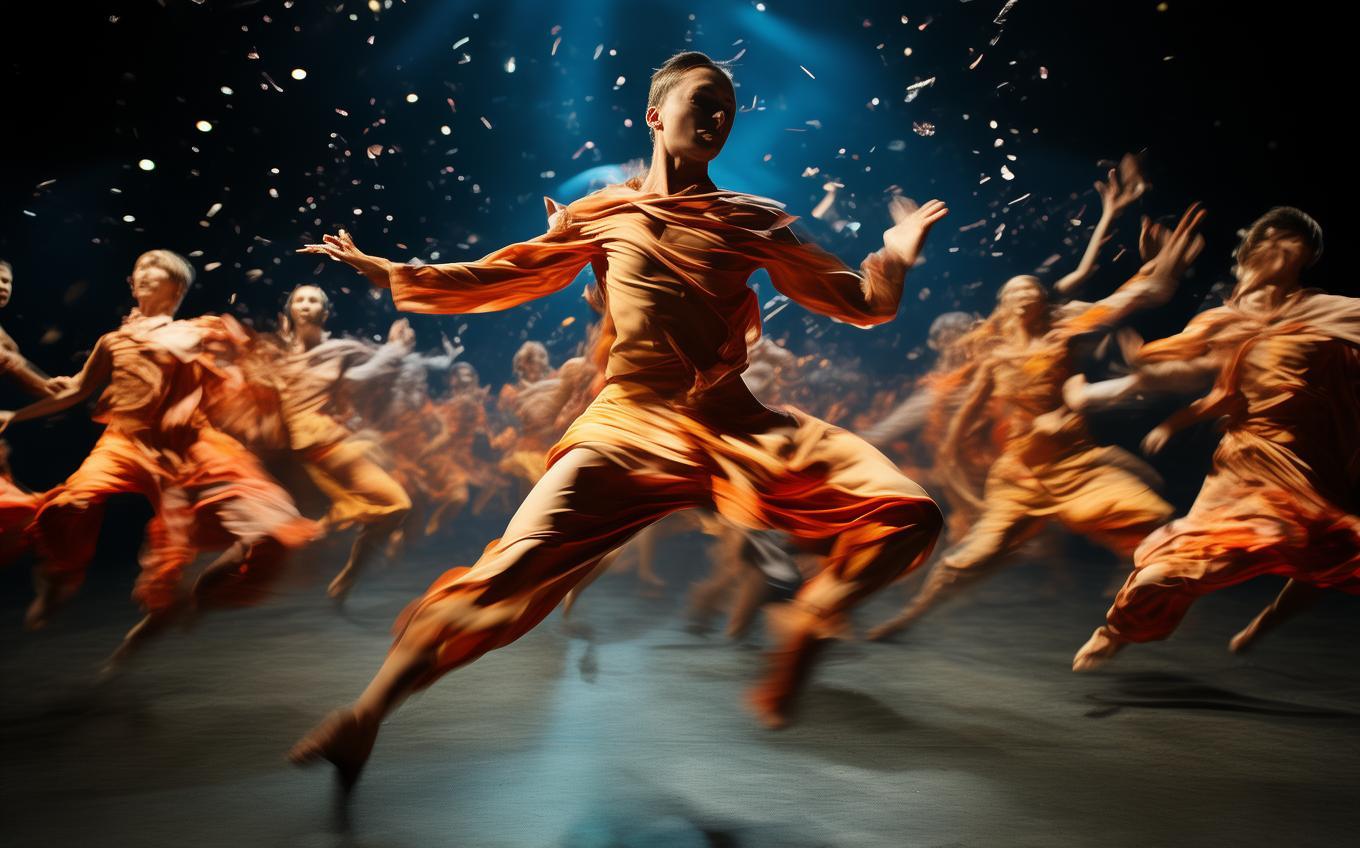
1. Music/Dance: Describes the beat or tempo (e.g., music rhythm).
2. Daily Life: Refers to the pace of activities (e.g., work rhythm).
3. Nature/Art: Can describe cyclical patterns (e.g., seasons, storytelling).
Nuance: Unlike the English "rhythm," 节奏 often implies a structured, measurable flow, sometimes with a connotation of control or adaptability (e.g., "adjusting to a new rhythm").
Character Breakdown
- 节 (jié): Means "section," "node," or "rhythm" (e.g., 节日 jiérì "festival").
- 奏 (zòu): Means "to play (music)" or "to perform" (e.g., 演奏 yǎnzòu "to perform music").
Together, they evoke the idea of "organized movement through time."
3. Example Sentences
-
Chinese: 这首歌的节奏很欢快。
Pinyin: Zhè shǒu gē de jiézòu hěn huānkuài.
English: The rhythm of this song is very lively. -
Chinese: 大城市的生活节奏太快了。
Pinyin: Dà chéngshì de shēnghuó jiézòu tài kuài le.
English: The pace of life in big cities is too fast. -
Chinese: 他跟不上舞蹈的节奏。
Pinyin: Tā gēn bù shàng wǔdǎo de jiézòu.
English: He can’t keep up with the dance rhythm.
Cultural Notes
- In Chinese work culture, "节奏" often reflects societal expectations about productivity. Phrases like "加快节奏" (speed up the pace) are common in workplaces.
- Traditional Chinese music emphasizes rhythmic precision (e.g., in 京剧 Jīngjù/Peking opera), where 节奏 is central to storytelling.
Conclusion
"节奏" (jiézòu) encapsulates the idea of rhythm, whether in music, daily life, or nature. Remember it as the "structured flow" of events or sounds, and practice using it to describe both literal beats and metaphorical paces.
Sources and Further Reading
Dictionary links are provided for independent reference. Example sentences and learning notes on this page are educational explanations rather than dictionary quotations.


Comments (0)
No comments yet. Be the first to comment!