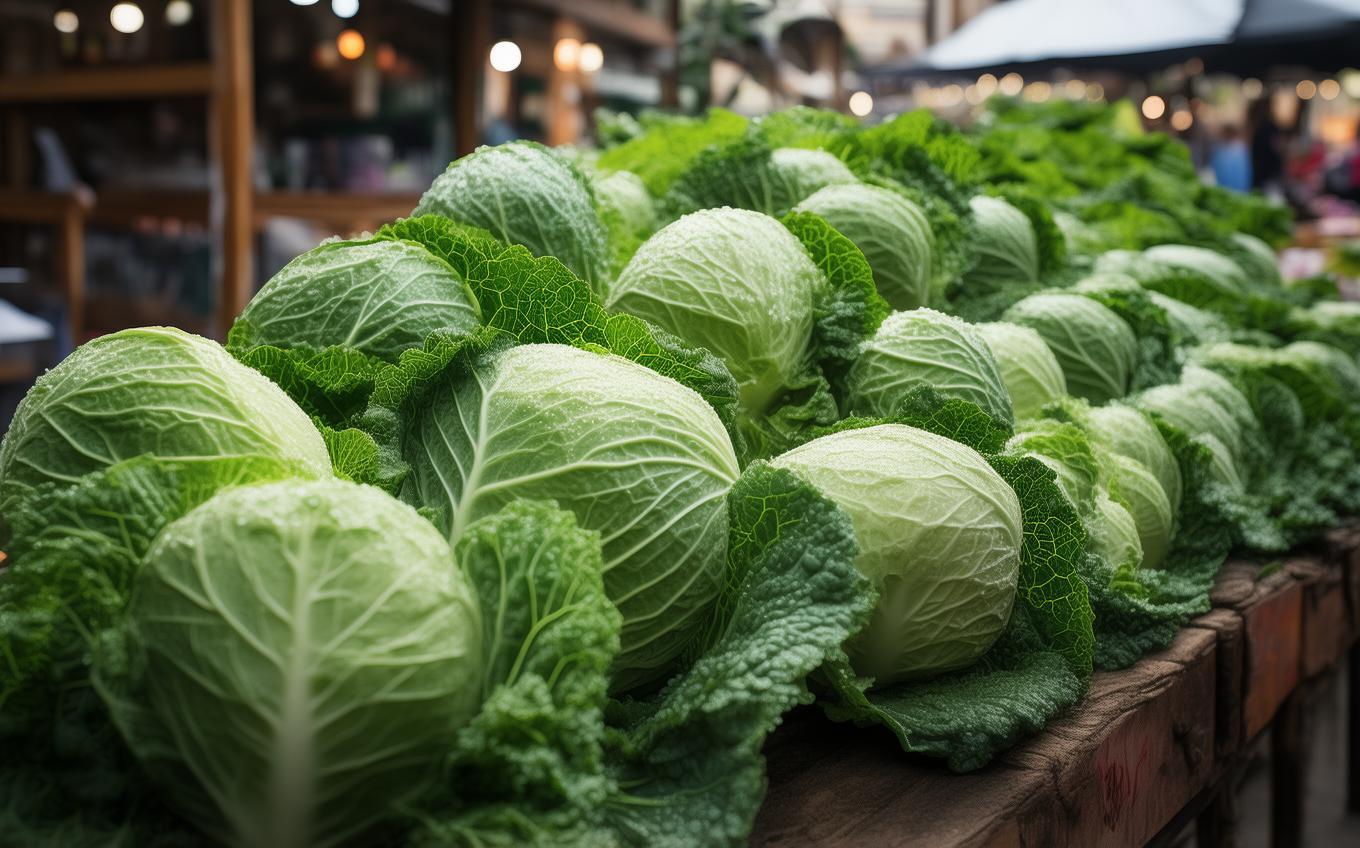
1. Basic Information
- Word: 白菜
- Pinyin: bái cài
- Literal Meaning: "white vegetable"
- Primary Meaning: A type of leafy vegetable, commonly known as "napa cabbage" or "Chinese cabbage" in English.
2. In-depth Explanation
Context and Usage
白菜 (bái cài) refers to a versatile and widely consumed vegetable in Chinese cuisine. It has a mild, slightly sweet flavor and is used in stir-fries, soups, pickled dishes, and hot pots. The term is straightforward and commonly used in daily conversation, grocery shopping, and cooking contexts.
Character Breakdown
- 白 (bái): Means "white," referring to the pale color of the vegetable's inner leaves.
- 菜 (cài): Means "vegetable" or "dish," indicating its role as a food item.
3. Example Sentences
-
Chinese: 今天我想吃炒白菜。
Pinyin: Jīntiān wǒ xiǎng chī chǎo bái cài.
English: Today, I want to eat stir-fried napa cabbage. -
Chinese: 白菜汤很健康。
Pinyin: Bái cài tāng hěn jiànkāng.
English: Napa cabbage soup is very healthy. -
Chinese: 冬天很多人喜欢吃白菜饺子。
Pinyin: Dōngtiān hěn duō rén xǐhuān chī bái cài jiǎozi.
English: In winter, many people like to eat napa cabbage dumplings.
Cultural Notes
白菜 (bái cài) is a staple in Chinese households, especially in northern China, where it is stored in large quantities during winter for its versatility and nutritional value. It symbolizes simplicity and resilience in Chinese culture, often appearing in proverbs and folk sayings. For example, the phrase "白菜价" (bái cài jià, "cabbage price") means something is very cheap, highlighting its affordability.
Conclusion
白菜 (bái cài) is an essential vegetable in Chinese cuisine, known for its mild flavor and culinary flexibility. Remember it as the "white vegetable" that appears in stir-fries, soups, and dumplings, and you'll easily recognize it in menus and markets!
Sources and Further Reading
Dictionary links are provided for independent reference. Example sentences and learning notes on this page are educational explanations rather than dictionary quotations.

Comments (0)
No comments yet. Be the first to comment!