
1. Basic Information
- Word: 午饭
- Pinyin: wǔ fàn
- Literal Meaning: "noon meal"
- Primary Meaning: "lunch" (the midday meal)
2. In-depth Explanation
-
Context and Usage:
"午饭" refers specifically to the meal eaten around midday, typically between 12:00 PM and 2:00 PM in Chinese culture. It is a common daily term used in both casual and formal settings. Unlike "午餐" (wǔ cān), which sounds slightly more formal, "午饭" is the everyday word for lunch. -
Character Breakdown:
- 午 (wǔ): Means "noon" or "midday."
- 饭 (fàn): Means "meal" or "cooked rice." Together, the characters literally mean "noon meal."
3. Example Sentences
-
Chinese: 我们中午一起吃午饭吧。
Pinyin: Wǒmen zhōngwǔ yīqǐ chī wǔfàn ba.
English: Let’s have lunch together at noon. -
Chinese: 今天的午饭很好吃。
Pinyin: Jīntiān de wǔfàn hěn hǎochī.
English: Today’s lunch was very delicious. -
Chinese: 你午饭想吃什么?
Pinyin: Nǐ wǔfàn xiǎng chī shénme?
English: What would you like to eat for lunch?
Cultural Notes
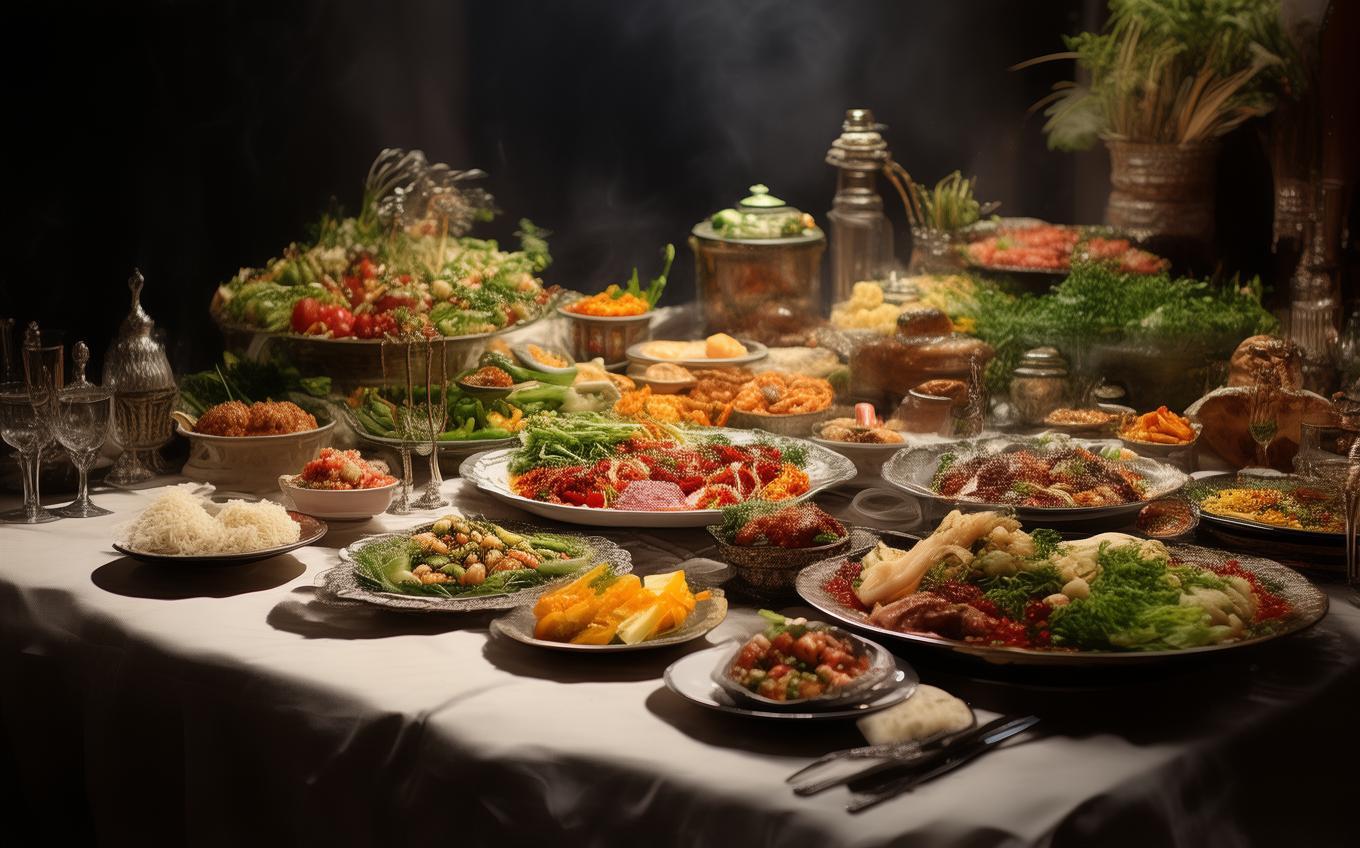
In China, lunch is often a quick but important meal, especially for workers and students. Many people eat out or bring homemade meals. A typical Chinese lunch includes rice or noodles, vegetables, and a protein dish (like meat or tofu). Unlike Western lunches, which might be lighter (e.g., sandwiches), Chinese lunches are usually warm and hearty.
Conclusion
"午饭" (wǔ fàn) is the standard word for "lunch" in Chinese, combining "noon" (午) and "meal" (饭). It’s a practical term used daily, so mastering it will help you talk about meals naturally. Remember the examples to use it confidently in conversations!
Sources and Further Reading
Dictionary links are provided for independent reference. Example sentences and learning notes on this page are educational explanations rather than dictionary quotations.


Comments (0)
No comments yet. Be the first to comment!