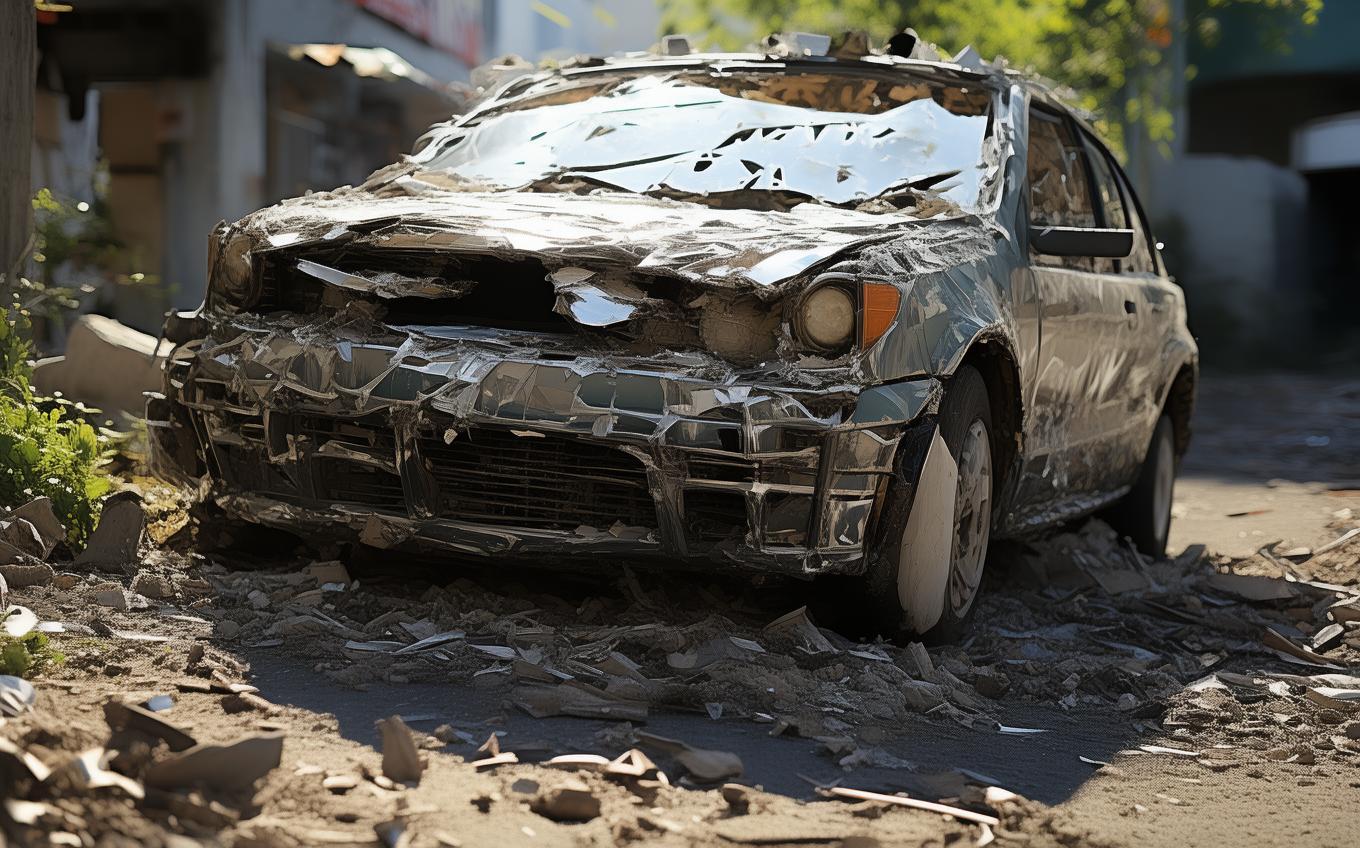
Understanding "损坏" - Chinese Word Explanation
1. Basic Information
- Word: 损坏
- Pinyin: sǔn huài
- Literal Meaning: "Damage" or "break" (损 = impair, 坏 = bad/damaged)
- Primary Meaning: To damage, spoil, or impair something physically or functionally.
2. In-depth Explanation
- Context and Usage:
- "损坏" is used to describe physical or functional damage to objects, devices, or even abstract things like reputations.
- It implies that the item or state is no longer in its original or usable condition.
-
Commonly seen in warnings (e.g., "小心损坏" – "Caution: risk of damage"), repair contexts, or complaints.
-
Character Breakdown:
- 损 (sǔn): Means "to harm," "impair," or "lose."
- 坏 (huài): Means "bad," "broken," or "damaged."
Together, they emphasize the idea of causing something to become unusable or defective.
3. Example Sentences
-
Chinese: 这本书被水损坏了。
Pinyin: Zhè běn shū bèi shuǐ sǔn huài le.
English: This book was damaged by water. -
Chinese: 请小心搬运,避免损坏设备。
Pinyin: Qǐng xiǎoxīn bānyùn, bìmiǎn sǔn huài shèbèi.
English: Please handle with care to avoid damaging the equipment. -
Chinese: 他的名誉因为谣言而损坏了。
Pinyin: Tā de míngyù yīnwèi yáoyán ér sǔn huài le.
English: His reputation was damaged because of rumors.
Cultural Notes
- In Chinese culture, taking care of objects (e.g., books, electronics) is highly valued, so "损坏" often carries a tone of regret or admonishment.
- It’s common to see signs using "损坏" in public places (e.g., museums, libraries) to remind people to protect property.
Conclusion
"损坏" (sǔn huài) means "to damage" and is used for both physical and abstract harm. Remember it by breaking it down: 损 (impair) + 坏 (bad) = damage. Use it when something is broken or spoiled!



Comments (0)
No comments yet. Be the first to comment!