1. Basic Information
- Word: 筷子
- Pinyin: kuài zi
- Literal Meaning: "Quick little ones" (from the characters 快 "quick" and 子 "small thing/child")
- Primary Meaning: Chopsticks (the eating utensils used in Chinese and other East Asian cultures)
2. In-depth Explanation
- Context and Usage:
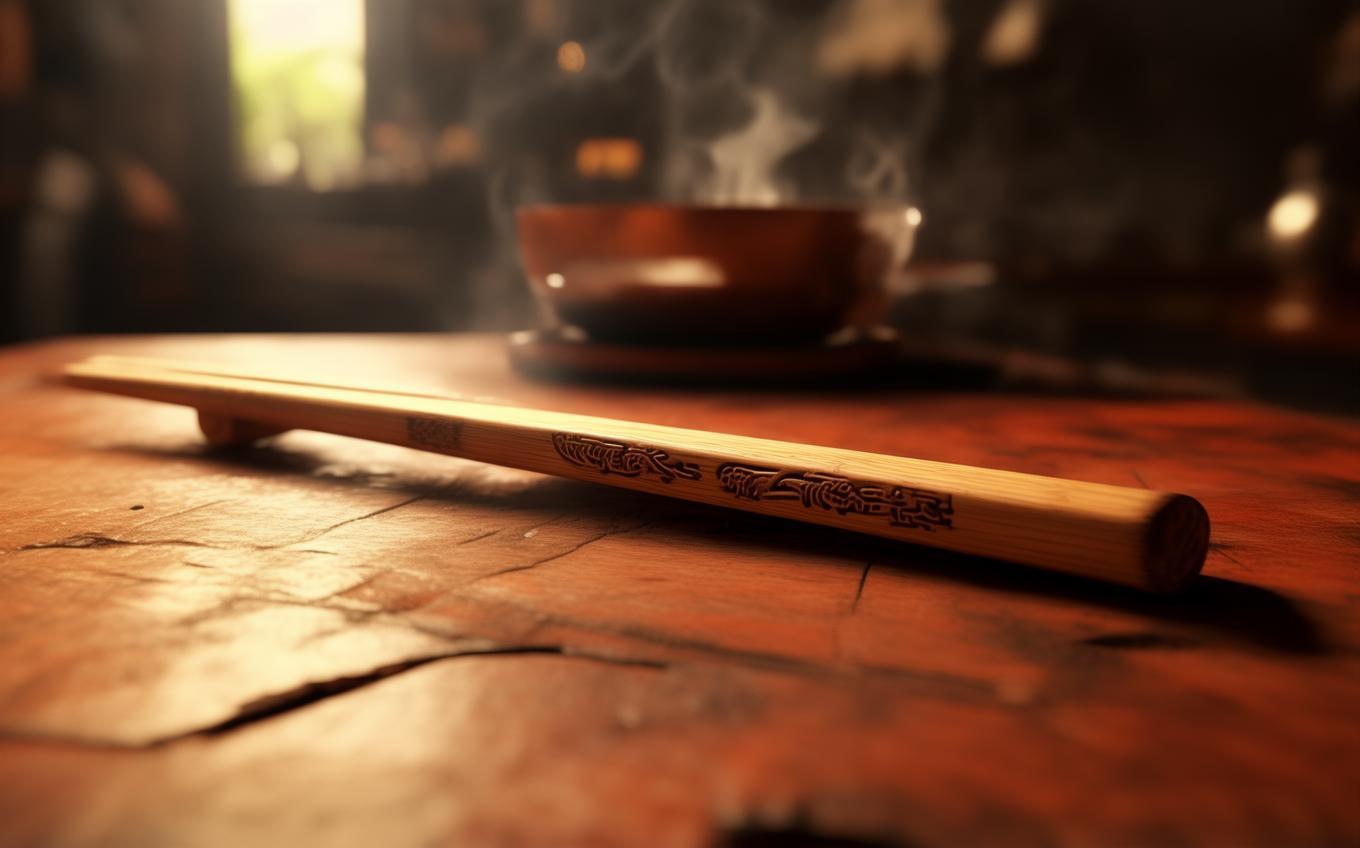
- 筷子 refers to the pair of slender sticks used for eating food in Chinese culture. They are the primary utensils for meals, replacing forks and knives in most dining situations.
- The word is used in both formal and informal contexts. For example, you might say "请给我一双筷子" (Please give me a pair of chopsticks) at a restaurant or at home.
-
Unlike Western utensils, chopsticks require skill to use properly, and mastering them is often seen as a sign of familiarity with Chinese culture.
-
Character Breakdown:
- 筷 (kuài) – Combines the radical ⺮ (bamboo, indicating the material) and 快 (kuài, meaning "quick"). Historically, chopsticks were made of bamboo and allow for quick, precise eating.
- 子 (zi) – A suffix often used to denote small objects (e.g., 桌子 "table," 椅子 "chair"). Here, it refers to the utensil itself.
3. Example Sentences
-
Chinese: 请用筷子吃饭。
Pinyin: Qǐng yòng kuàizi chīfàn.
English: Please eat with chopsticks. -
Chinese: 我不会用筷子。
Pinyin: Wǒ bù huì yòng kuàizi.
English: I don’t know how to use chopsticks. -
Chinese: 这双筷子是木制的。
Pinyin: Zhè shuāng kuàizi shì mùzhì de.
English: This pair of chopsticks is made of wood.
Cultural Notes
- Chopsticks have been used in China for over 3,000 years and are deeply tied to dining etiquette.
- It’s considered impolite to stick chopsticks upright in a bowl of rice, as this resembles incense sticks used in funerals.
- Different regions have variations in chopstick length and material (e.g., bamboo, wood, metal, or even ivory in historical contexts).
- Giving chopsticks as a gift symbolizes good wishes for a "quick" (快) and prosperous life.
Conclusion
筷子 (kuàizi) are an essential part of Chinese dining culture, representing both practicality and tradition. Remember that mastering chopsticks takes practice, but it’s a rewarding skill for enjoying Chinese cuisine authentically!
Sources and Further Reading
Dictionary links are provided for independent reference. Example sentences and learning notes on this page are educational explanations rather than dictionary quotations.



Comments (0)
No comments yet. Be the first to comment!