1. Basic Information
- Word: 账单
- Pinyin: zhàngdān
- Literal Meaning: "Account" (账) + "List" (单) = "Account List"
- Primary Meaning: A bill or invoice; a detailed record of expenses or transactions.
2. In-depth Explanation
Context and Usage
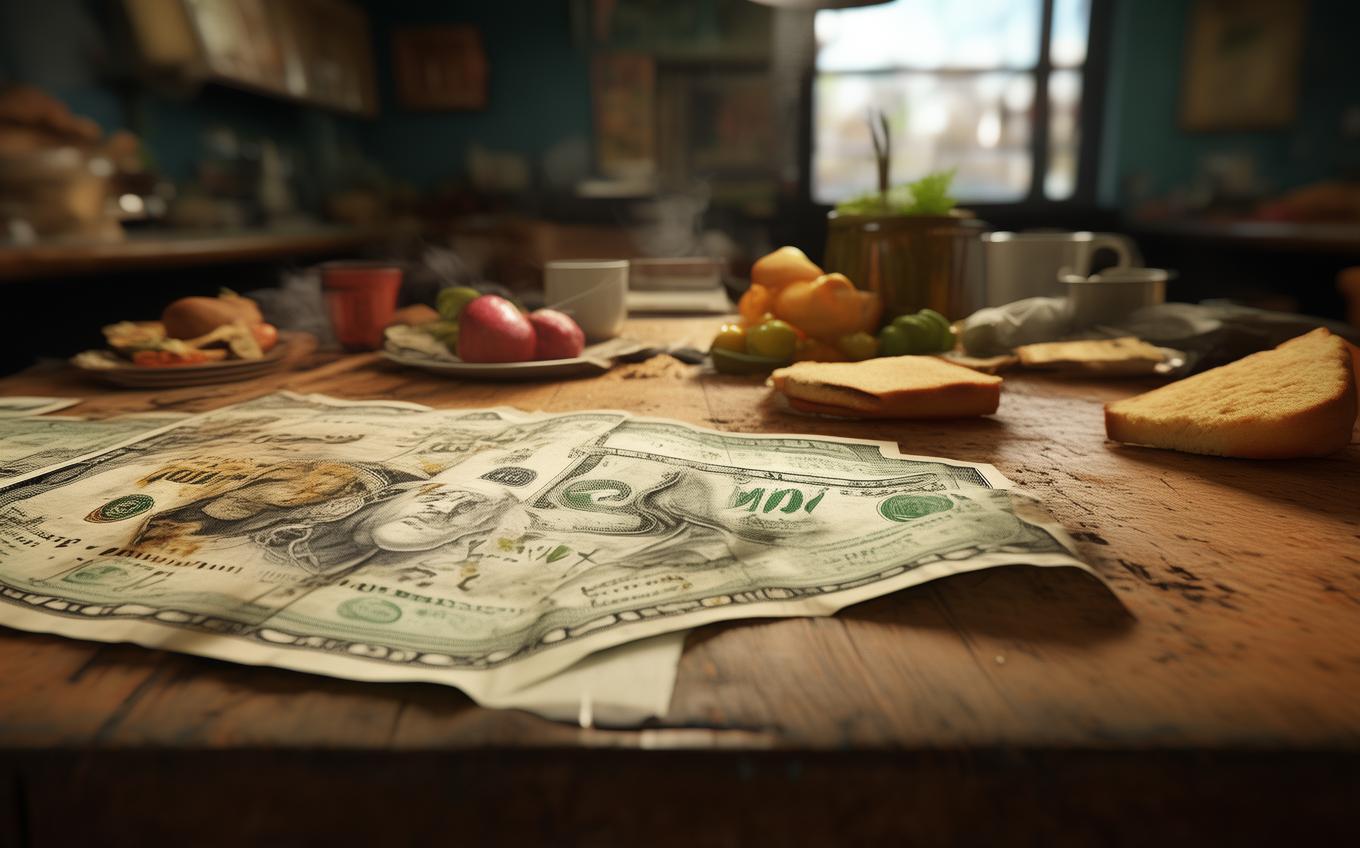
"账单" refers to a formal record of money owed or paid, commonly used in everyday situations like dining out, shopping, or managing finances. It can be a physical receipt or a digital statement (e.g., credit card bills, utility bills).
Nuances:
- In casual settings, "账单" is neutral and simply refers to the bill.
- In business contexts, it may imply an official invoice for accounting purposes.
Character Breakdown
- 账 (zhàng): Means "account" or "financial record," often related to money management.
- 单 (dān): Means "list" or "sheet," referring to a written or printed record.
Together, they form "账单," emphasizing a documented summary of transactions.
3. Example Sentences
-
Chinese: 请把账单给我。
Pinyin: Qǐng bǎ zhàngdān gěi wǒ.
English: Please give me the bill. -
Chinese: 我的信用卡账单显示上个月花了很多钱。
Pinyin: Wǒ de xìnyòngkǎ zhàngdān xiǎnshì shàng gè yuè huāle hěnduō qián.
English: My credit card bill shows I spent a lot of money last month. -
Chinese: 服务员,我们想分开付账单。
Pinyin: Fúwùyuán, wǒmen xiǎng fēnkāi fù zhàngdān.
English: Waiter, we’d like to split the bill.
Cultural Notes
- In China, it’s common for friends to argue over who pays the bill (抢着买单, qiǎngzhe mǎidān) as a gesture of politeness.
- Digital payment apps like Alipay or WeChat Pay often generate e-bills ("电子账单"), reflecting China’s cashless trend.
Conclusion
"账单" (zhàngdān) is a practical word for any financial record or bill. Remember it combines "账" (account) and "单" (list), making it easy to associate with a detailed expense summary. Use it confidently in restaurants, shops, or when discussing personal finances!
Sources and Further Reading
Dictionary links are provided for independent reference. Example sentences and learning notes on this page are educational explanations rather than dictionary quotations.



Comments (0)
No comments yet. Be the first to comment!