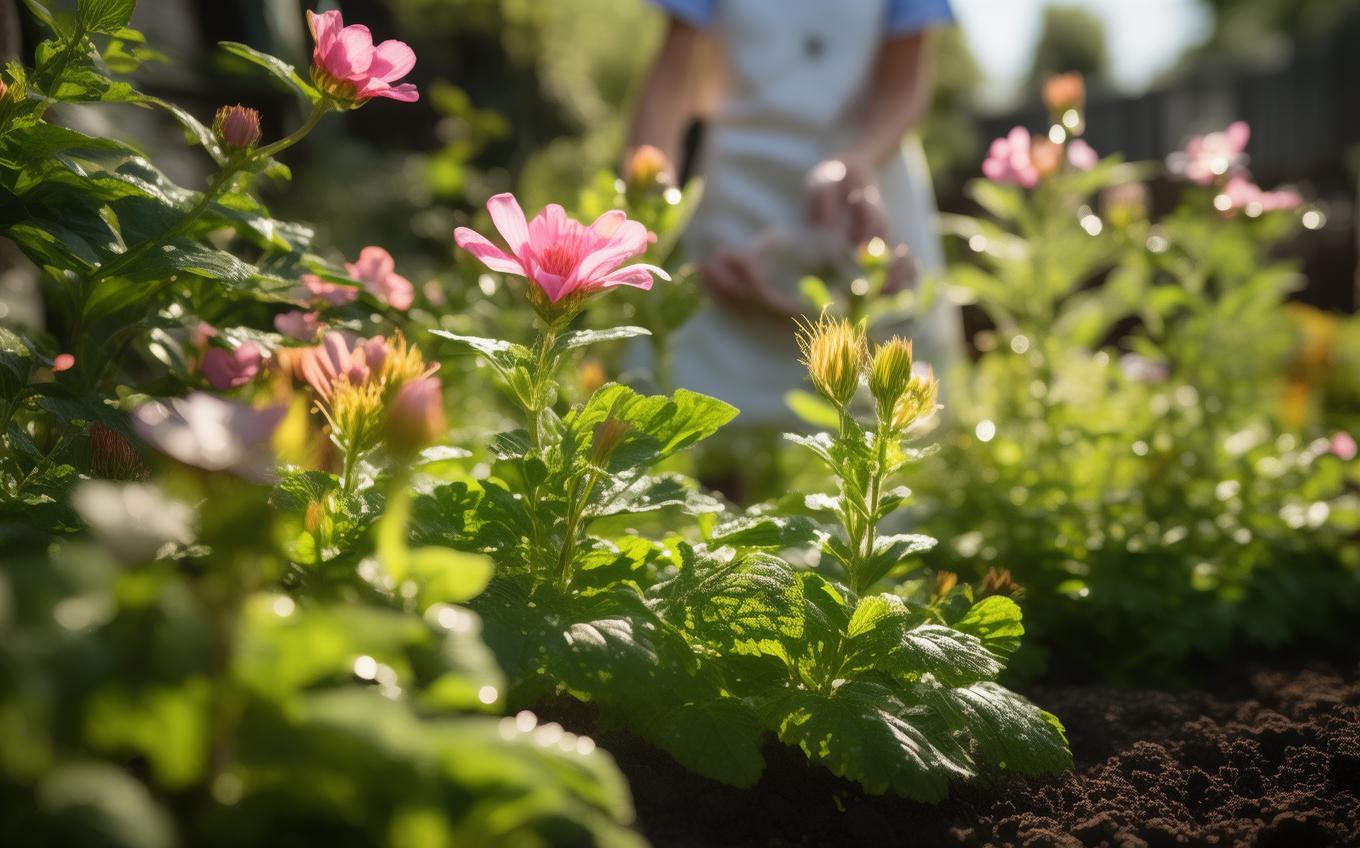
1. Basic Information
- Word: 培养
- Pinyin: péiyǎng
- Literal Meaning: To cultivate and nurture (like tending to plants)
- Primary Meaning: To foster, train, develop, or cultivate (skills, abilities, habits, relationships, or talents) over time through deliberate effort
2. In-depth Explanation
-
Context and Usage:
培养 is most commonly used to talk about the long-term, intentional development of a person’s inner qualities, abilities, or habits. It implies a gentle, sustained process, much like taking care of a growing plant. You will often see it in contexts such as education, parenting, workplace training, and personal development. For instance, parents 培养 their children’s independence, teachers 培养 students’ critical thinking, and companies 培养 their employees’ leadership skills. It can also refer to cultivating hobbies, interests, or even good relationships. A nuance to remember: 培养 emphasizes growth from within, requiring patience and nourishment, rather than simply imparting knowledge or instructions (which is closer to 教育 jiàoyù, “to educate”). It is rarely used for short-term, one-time actions. -
Character Breakdown:
- 培 (péi): Originally referred to banking up soil around plants to protect and support their roots. Now it carries the sense of “to cultivate, to foster, to earth up.”
- 养 (yǎng): Means “to raise, to nurture, to support, to provide for.” It appears in words like 养育 (yǎngyù, to bring up children) or 营养 (yíngyǎng, nutrition).
Together, 培养 literally paints a picture of adding soil and nourishing a plant—metaphorically, it is about providing the right environment and care for something (or someone) to grow and flourish.
3. Example Sentences
-
Chinese: 父母应该从小培养孩子的独立性。
Pinyin: Fùmǔ yīnggāi cóng xiǎo péiyǎng háizi de dúlìxìng.
English: Parents should cultivate their children’s independence from an early age. -
Chinese: 这个课程可以帮助你培养良好的学习习惯。
Pinyin: Zhège kèchéng kěyǐ bāngzhù nǐ péiyǎng liánghǎo de xuéxí xíguàn.
English: This course can help you develop good study habits. -
Chinese: 公司很注重培养员工的团队合作精神。
Pinyin: Gōngsī hěn zhùzhòng péiyǎng yuángōng de tuánduì hézuò jīngshén.
English: The company places great importance on fostering a spirit of teamwork among its employees.
Cultural Notes
In traditional Chinese culture, personal cultivation (修养, xiūyǎng) and the gradual refinement of one’s character are deeply valued, a legacy of Confucian thinking. The word 培养 fits perfectly into this worldview: just as a gardener patiently tends to a plant, a person or an institution must provide continuous care and the right environment for inner virtues to grow. This is why 培养 is not a quick fix but a process—it suggests a parent-like or mentor-like dedication to someone’s long-term development. Modern Chinese society extends this idea to innovation, talent, and even national spirit, but the underlying metaphor of organic growth remains.
Conclusion
To remember 培养, think of a garden: 培 (banking up soil) + 养 (nourishing). It’s all about patient, continuous nurturing. Use it whenever you describe the slow and steady process of helping someone grow a skill, a quality, or a habit—not just “teaching,” but truly “cultivating” from within.
Sources and Further Reading
Dictionary links are provided for independent reference. Example sentences and learning notes on this page are educational explanations rather than dictionary quotations.


Comments (0)
No comments yet. Be the first to comment!