
Understanding "展示" - Chinese Word Explanation
1. Basic Information
- Word: 展示
- Pinyin: zhǎn shì
- Literal Meaning: "exhibit" + "show/indicate"
- Primary Meaning: to display, to exhibit, to showcase
2. In-depth Explanation
- Context and Usage:
展示 is a versatile verb used when someone deliberately presents something for others to see, appreciate, or evaluate. It goes beyond simply "showing" something casually – it implies a purposeful, often public or formal presentation. You can 展示 physical objects (products, artworks, collections), abstract qualities (talent, skill, ability), results (data, findings), or even emotions and attitudes.
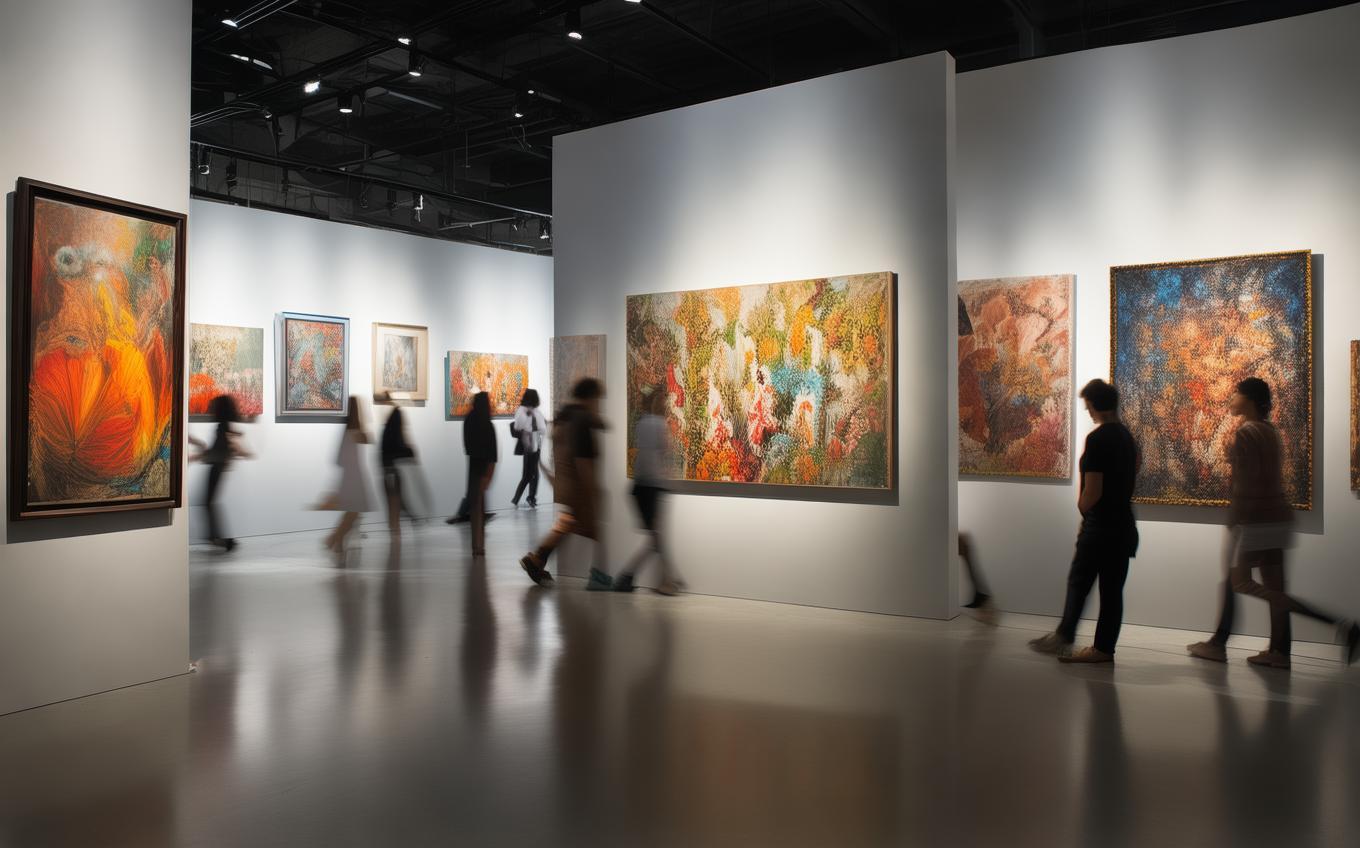
Common contexts include: - Museums, galleries, and exhibitions (displaying artworks or artifacts)
- Business and marketing (showcasing new products or prototypes)
- Personal introductions (demonstrating one’s skills or strengths)
- Academic or professional settings (presenting research, data, or plans)
The word carries a neutral to positive tone, emphasizing clarity and visibility. It is not used for accidental reveals or involuntary displays (e.g., “showing fear” unwittingly); for those, other verbs like 露出 (lòu chū) might be more appropriate.
- Character Breakdown:
- 展 (zhǎn): This character means “to spread out,” “to unfold,” or “to exhibit.” It suggests opening something up so that it can be seen fully, like unfurling a scroll or laying out a map. It appears in words like 展览 (zhǎn lǎn, exhibition) and 发展 (fā zhǎn, development).
- 示 (shì): This character means “to show,” “to indicate,” or “to reveal.” It is an ancient pictograph of an altar, implying a gesture of presenting or declaring. It’s found in words like 表示 (biǎo shì, to express) and 指示 (zhǐ shì, to point out/indicate).
Together, 展示 combines the idea of unfolding something and presenting it clearly – a thorough and intentional act of display.
3. Example Sentences
-
Chinese: 博物馆里展示了古代的陶器。
Pinyin: Bówùguǎn lǐ zhǎnshì le gǔdài de táoqì.
English: The museum displayed ancient pottery. -
Chinese: 他在会议上展示了新设计的手机。
Pinyin: Tā zài huìyì shàng zhǎnshì le xīn shèjì de shǒujī.
English: He showcased the newly designed mobile phone at the meeting. -
Chinese: 这次比赛给了她展示才华的机会。
Pinyin: Zhè cì bǐsài gěi le tā zhǎnshì cáihuá de jīhuì.
English: This competition gave her an opportunity to demonstrate her talent.
Cultural Notes
In Chinese culture, group harmony and modesty are often valued, so openly “展示” one’s own abilities might traditionally be seen as boastful. However, in modern professional and educational settings, 展示 is widely encouraged as a way to present one’s achievements and ideas with confidence. The word is also central to China’s booming exhibition industry – trade shows like the Canton Fair use 展示 extensively, and the phrase 展示会 (zhǎnshì huì) means “exhibition” or “show.” In museums, you’ll often see the phrase 多媒体展示 (duōméitǐ zhǎnshì), meaning “multimedia display,” reflecting the integration of technology in presenting culture and history.
Conclusion
To remember 展示, think of deliberately unfolding (展) something and showing (示) it to an audience. It’s the go-to verb for exhibiting, showcasing, or demonstrating in both formal and informal but purposeful contexts. Whether you’re displaying a painting, presenting a project, or simply showing off a new skill, 展示 captures that intentional revelation.
Sources and Further Reading
Dictionary links are provided for independent reference. Example sentences and learning notes on this page are educational explanations rather than dictionary quotations.


Comments (0)
No comments yet. Be the first to comment!