1. Basic Information
- Word: 凹凸
- Pinyin: āo tū
- Literal Meaning: concave (凹) and convex (凸)
- Primary Meaning: bumpy; uneven; having both sunken and raised parts; a surface that is not flat
2. In-depth Explanation
-
Context and Usage:
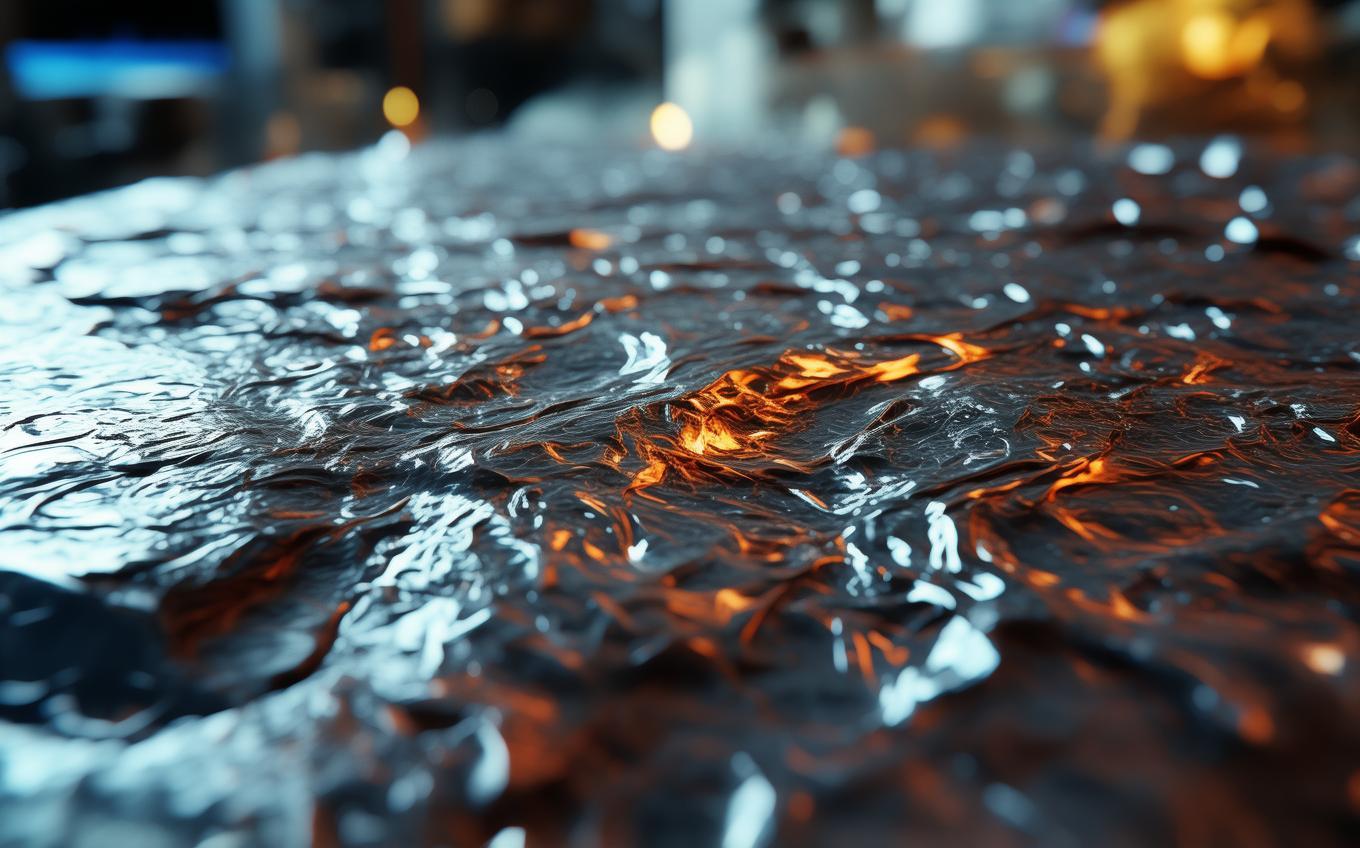
The word “凹凸” is used to describe surfaces, shapes, or textures that are irregular — featuring both depressions (hollows) and protrusions (bumps). It is often used in physical descriptions of roads, terrain, objects, or even abstractly to describe something that has ups and downs. Unlike English, where we might say “bumpy” or “uneven,” “凹凸” directly combines the two opposite qualities, making it a very visual and precise term. It can also be used in technical or artistic contexts (e.g., describing carvings, textures, or geometric shapes). It is not typically used to describe emotional ups and downs — that’s a different word (起伏, qǐfú). -
Character Breakdown:
- 凹 (āo): concave; sunken; indented. The shape of the character itself suggests a hollow or a dent.
- 凸 (tū): convex; protruding; raised. The character visually suggests something sticking out.
Together, they form a compound that literally means “concave-convex,” i.e., a surface that goes both in and out. The order is always 凹 first, then 凸 — low then high, matching the natural rhythm of Chinese word formation.
3. Example Sentences
-
Chinese: 这条路凹凸不平,开车要小心。
Pinyin: Zhè tiáo lù āo tū bù píng, kāi chē yào xiǎo xīn.
English: This road is bumpy and uneven — drive carefully. -
Chinese: 这块石头的表面有很多凹凸的纹理。
Pinyin: Zhè kuài shí tou de biǎo miàn yǒu hěn duō āo tū de wén lǐ.
English: The surface of this stone has many uneven (concave-convex) textures. -
Chinese: 这种纸上有凹凸的花纹,摸起来很有质感。
Pinyin: Zhè zhǒng zhǐ shàng yǒu āo tū de huā wén, mō qǐ lái hěn yǒu zhì gǎn.
English: This kind of paper has embossed (concave-convex) patterns, and it feels very textured to the touch.
Cultural Notes (if applicable)
The characters 凹 and 凸 are often cited as perfect examples of Chinese pictographic characters — their shapes mirror their meanings. 凹 looks like a container with a sunken middle, and 凸 looks like a shape bulging outward. This visual logic makes them easy to remember once you know them. In art, architecture, and printing, the concept of 凹凸 is fundamental: for example, intaglio printing uses 凹版 (concave plate), while relief printing uses 凸版 (convex plate). The compound is also used in product descriptions to highlight textured or ergonomic designs. Interestingly, the word 凹凸 has no direct one-word equivalent in English that captures both directions at once, which reveals how Chinese efficiently packages spatial opposites into a single term.
Conclusion
To remember “凹凸,” simply picture the characters themselves: 凹 is a dent, and 凸 is a bump. Together, they stand for any surface that isn’t flat — from a bumpy dirt road to an embossed wedding invitation. Whenever you see an irregular surface, think “āo tū” and you’ve got the word right there in the shapes.
Sources and Further Reading
Dictionary links are provided for independent reference. Example sentences and learning notes on this page are educational explanations rather than dictionary quotations.


Comments (0)
No comments yet. Be the first to comment!