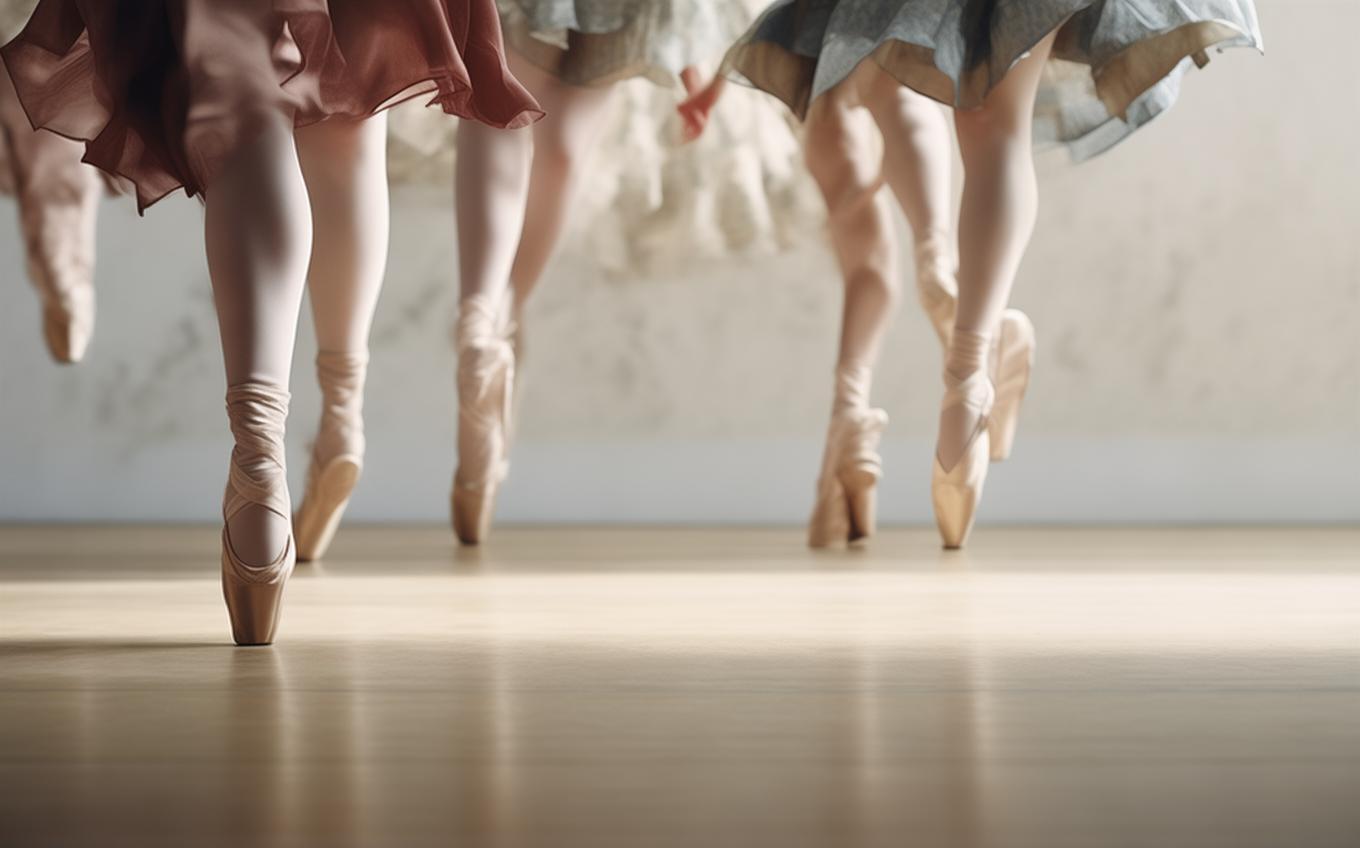
Understanding "芭蕾" - Chinese Word Explanation
1. Basic Information
- Word: 芭蕾
- Pinyin: bā lěi
- Literal Meaning: The characters are chosen for phonetic resemblance, not semantic meaning. 芭 (bā) is a type of plant often used in transliterations; 蕾 (lěi) means “flower bud”. Together they do not form a meaningful phrase; they simply approximate the sound of the English word “ballet”.
- Primary Meaning: Ballet (the classical dance form)
2. In-depth Explanation
- Context and Usage: 芭蕾 (bā lěi) is the standard Chinese word for “ballet”. It is used in all the same contexts as its English counterpart—to refer to the dance style, a ballet performance, a ballet company, or ballet as an art form. There are no special nuances or slang usages; it is a straightforward term. You can say “跳芭蕾” (tiào bā lěi) for “dance ballet”, or “芭蕾舞” (bā lěi wǔ, literally “ballet dance”) to emphasize the dance aspect, though 芭蕾 alone is sufficient.
- Character Breakdown:
- 芭 (bā): This character originally refers to a type of fragrant plant or plantain, but in modern Chinese it is extremely common in phonetic transcriptions of foreign words (e.g., 芭比 Bābǐ – Barbie, 芭乐 bālè – guava, from the Taiwanese pronunciation of “ballad” or “guava”). Its role here is purely phonetic.
- 蕾 (lěi): This character means “bud” (as in a flower bud). It was selected for its sound “lěi” to match the second syllable of “ballet”. Together, 芭蕾 creates the aural impression of “ba-lay”, mirroring the English pronunciation.
Because the word is a phonetic loan, the original meanings of the characters are irrelevant to the word’s actual definition. This is a helpful reminder that many loanwords in Chinese are built for sound, not literal translation.
3. Example Sentences
-
Chinese: 她从六岁开始学习芭蕾。
Pinyin: Tā cóng liù suì kāishǐ xuéxí bā lěi.
English: She started learning ballet at the age of six. -
Chinese: 昨晚我们看了一场精彩的芭蕾演出。
Pinyin: Zuó wǎn wǒmen kàn le yī chǎng jīngcǎi de bā lěi yǎnchū.
English: Last night we watched a wonderful ballet performance. -
Chinese: 《天鹅湖》是一部非常著名的芭蕾舞剧。
Pinyin: “Tiān’é Hú” shì yī bù fēicháng zhùmíng de bā lěi wǔ jù.
English: “Swan Lake” is a very famous ballet (dance drama).
Cultural Notes
Ballet has a rich history in China. The National Ballet of China was founded in 1959, and it famously blends classical Western ballet techniques with Chinese stories and aesthetics. One iconic Chinese ballet is 《红色娘子军》 (Hóngsè Niángzǐjūn, “The Red Detachment of Women”), which premiered during the Cultural Revolution and remains a hallmark of Chinese revolutionary ballet. This shows how 芭蕾 is not just an imported concept but has been localized and developed into a unique artistic tradition. When you use the word 芭蕾 in China, you are referring both to the global art form and to this distinctive Chinese expression of it.
Conclusion
Remember 芭蕾 (bā lěi) as the Chinese word for “ballet”. It is a phonetic loanword, so the characters 芭 and 蕾 were chosen purely for their sounds, not their meanings. Use it exactly as you would “ballet” in English, and you can add 舞 (wǔ, dance) optionally to form 芭蕾舞. With this word, you can discuss performances, training, and the rich tradition of ballet in China and around the world.
Sources and Further Reading
Dictionary links are provided for independent reference. Example sentences and learning notes on this page are educational explanations rather than dictionary quotations.



Comments (0)
No comments yet. Be the first to comment!