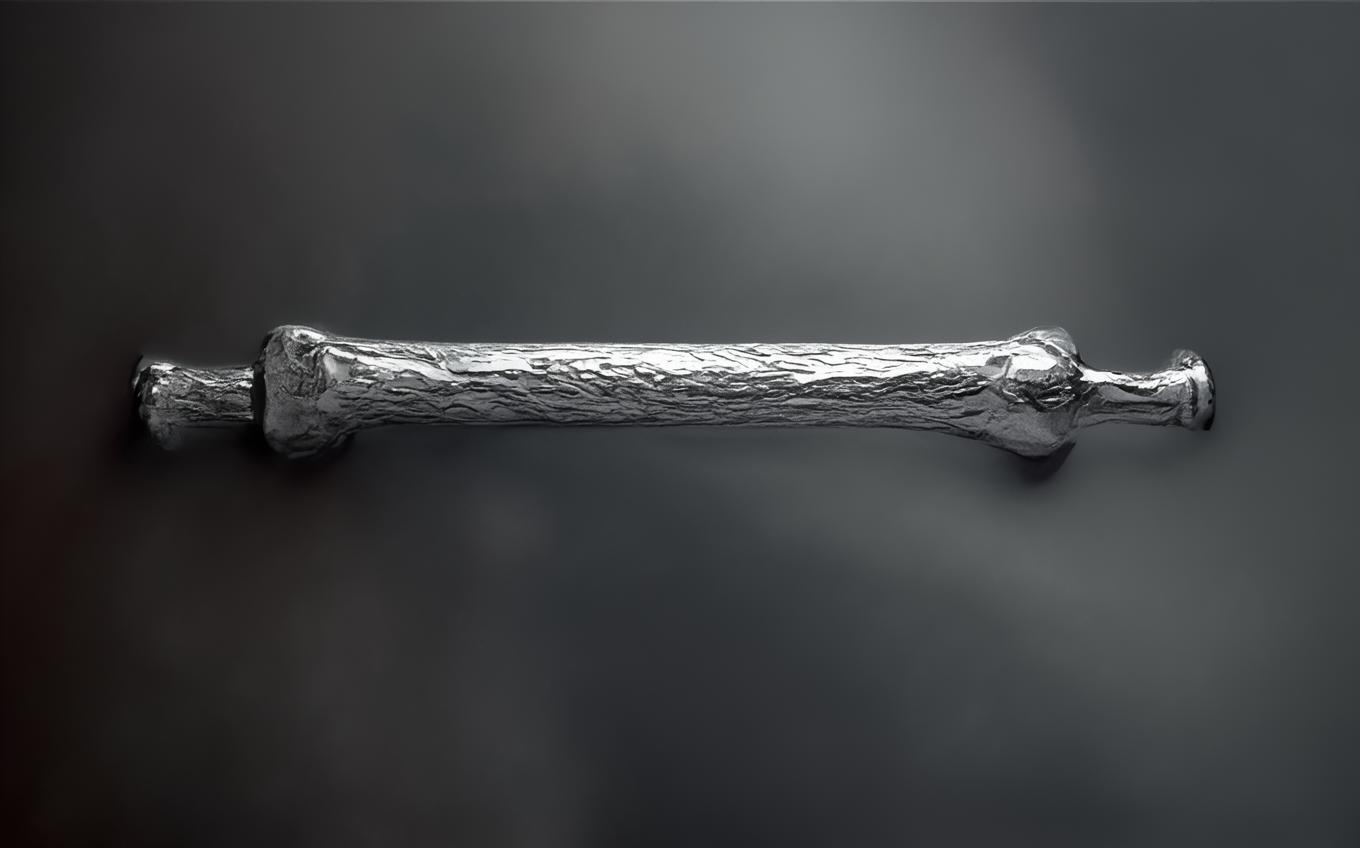
1. Basic Information
- Word: 把柄
- Pinyin: bǎbǐng (Note: both syllables are third tone; in natural speech the tone sandhi rule turns the first third tone into a second tone, so it sounds like bábǐng)
- Literal Meaning: handle + handle / shaft (redundant compound meaning “handle” or “grip”)
- Primary Meaning: A handle (literal, less common); figuratively, something that can be used against a person – leverage, incriminating evidence, a weakness, dirt, or a point of vulnerability that others can exploit to control or harm you.
2. In-depth Explanation
- Context and Usage:
In modern Chinese, 把柄 is almost always used in a figurative sense. It refers to a mistake, secret, or personal flaw that someone else can “grab hold of” (like a handle) to manipulate, blackmail, or criticize that person. When you “have a 把柄 on someone” (抓住某人的把柄), you possess leverage over them. Conversely, if you “leave a 把柄 in someone’s hands” (把柄落在别人手里), you are in a vulnerable position. The word often carries a negative, cautionary tone – it’s something you want to avoid giving others. It can appear in everyday conversation, workplace politics, legal contexts, and informal gossip.
Common collocations:
- 抓住把柄 – to seize on a weakness / get dirt on someone
- 有把柄在…手里 – to have a handle in someone’s hand (i.e., be vulnerable to them)
- 留下把柄 – to leave behind a handle / to give someone leverage over you
- 把柄被抓住了 – the handle has been seized (one’s weakness has been discovered)
Note that 把柄 is not normally used for neutral or positive “handles” like a door handle (that’s 把手). Its figurative meaning dominates.
- Character Breakdown:
- 把 (bǎ): Originally meant “to hold” or “to grasp”; as a noun it means “handle” or “grip”. It’s the same character as in 把手 (handle, knob) and the 把-construction in grammar.
- 柄 (bǐng): Refers to the handle, shaft, or stem of an object (e.g., 刀柄 – knife handle, 伞柄 – umbrella handle). It can also extend metaphorically to mean “power” or “authority” (as in 权柄).
Together, 把柄 literally doubles the idea of a handle, creating a compound that originally meant a physical handle. Over time, the metaphor of “something you can hold onto to control someone” became the primary meaning.
3. Example Sentences
- Chinese: 他抓住了竞争对手的把柄,并以此威胁对方。
- Pinyin: Tā zhuāzhù le jìngzhēng duìshǒu de bǎbǐng, bìng yǐ cǐ wēixié duìfāng.
-
English: He got hold of his competitor’s weakness and used it to threaten him.
-
Chinese: 做人要谨慎,不要给别有用心的人留下把柄。
- Pinyin: Zuòrén yào jǐnshèn, bùyào gěi bié yǒu yòngxīn de rén liúxià bǎbǐng.
-
English: Be prudent in your conduct, and don’t give people with ill intentions any leverage against you.
-
Chinese: 他之所以被降职,是因为上司抓住了他的把柄。
- Pinyin: Tā zhīsuǒyǐ bèi jiàngzhí, shì yīnwèi shàngsi zhuāzhù le tā de bǎbǐng.
- English: The reason he was demoted is that his superior had something on him.
Cultural Notes
The concept of 把柄 taps into the importance of interpersonal relationships and “face” (面子) in Chinese culture. In a social environment where reputation and mutual obligation matter enormously, having a 把柄 is like holding a key to someone else’s vulnerability. It can be used to enforce loyalty, extract favors, or destroy a rival. Accordingly, the word appears frequently in advice about maintaining a flawless public image and being careful not to reveal personal flaws. The metaphor of a “handle” is vivid: just as a physical handle lets you pick up and control an object, a 把柄 lets you manipulate a person. This reveals a cultural awareness of power dynamics and the potential for moral hazard in close-knit communities.
Conclusion
To remember 把柄, think of a physical handle that allows you to grab and control an object. Metaphorically, it’s any secret, mistake, or weak point that someone else can “grab” to control or harm you. If you have a 把柄 on someone, you have leverage; if someone has a 把柄 on you, you’re in trouble. The word is a powerful reminder to mind your actions and protect your vulnerabilities, because in a social world, handles are easily found.
Sources and Further Reading
Dictionary links are provided for independent reference. Example sentences and learning notes on this page are educational explanations rather than dictionary quotations.



Comments (0)
No comments yet. Be the first to comment!